






What's Happening?
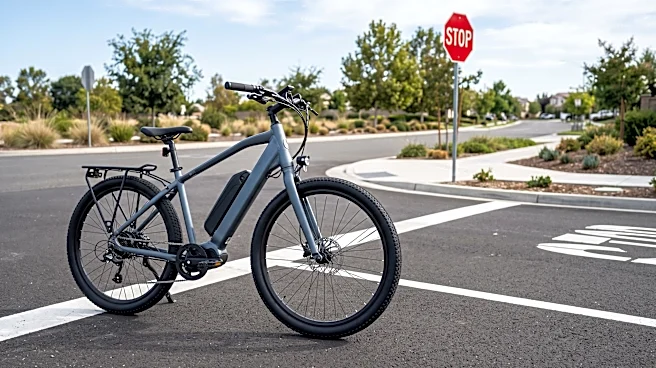
The Chandler Police Department is stepping up enforcement and education efforts regarding e-bike safety after a series of crashes, some captured on video, have raised significant concerns. Two recent incidents in August involved e-bike riders being hit
by vehicles after failing to stop at intersections, resulting in hospitalizations for both riders. Between May and July, Chandler police responded to 168 e-bike-related calls, issuing 16 citations and 16 warnings. Valleywise Health has also reported a noticeable increase in e-bike injuries, anticipating a doubling of cases this year. Dr. Frank LoVecchio of Valleywise Health highlighted that the combination of speed, heavier vehicles, and unprotected riders can escalate typical bicycle accidents into major trauma. Arizona classifies e-bikes into three categories, with Class 1 and 2 reaching up to 20 mph, and Class 3 up to 28 mph with pedal assist. Some e-bikes are even capable of exceeding these speeds, potentially reclassifying them as motorcycles. Chandler implemented new e-bike regulations this year, including a minimum age of 16 for Class 3 riders, a ban on Class 3 bikes on sidewalks and shared paths, and helmet requirements for riders under 18.
Why It's Important?
The surge in e-bike popularity, coupled with a lack of comprehensive statewide training requirements, poses a growing public safety challenge in Chandler and potentially other Arizona cities. The increased number of accidents and injuries places a strain on local emergency services and healthcare facilities, as evidenced by Valleywise Health's rising caseload. The legal complexities surrounding e-bike classification and usage, particularly for models exceeding specified speed limits, create ambiguity for both riders and law enforcement. This situation underscores a broader regulatory lag, where state laws struggle to keep pace with rapid technological advancements and consumer adoption of new transportation methods. The enforcement actions by Chandler police aim to mitigate immediate risks, but the underlying issue points to a need for clearer, more standardized regulations and public awareness campaigns to ensure safe integration of e-bikes into urban environments. The current trend suggests that without proactive measures, the risks associated with e-bike use will continue to escalate, affecting riders, pedestrians, and motorists alike.
What's Next?
Chandler police will continue their increased enforcement and educational initiatives, focusing on ensuring riders adhere to existing city ordinances, such as stopping at intersections and proper use of sidewalks and shared paths. In the recent crashes, e-bike riders were cited, indicating a clear focus on rider accountability. This approach aims to reinforce safe riding practices and reduce the incidence of collisions. Legal experts like Olivia Lemorrocco of Phillips Law Group anticipate that state laws will eventually evolve to address the rapid proliferation and increasing capabilities of e-bikes, potentially including statewide training requirements or clearer classification guidelines. As e-bike technology advances and their use becomes more widespread, further legislative action at both municipal and state levels may be necessary to ensure public safety. The ongoing data collection by law enforcement and healthcare providers will likely inform future policy decisions and public safety campaigns.
Beyond the Headlines
The rise in e-bike accidents in Chandler highlights a broader societal challenge of integrating new technologies into existing urban infrastructures and regulatory frameworks. Beyond immediate safety concerns, there are implications for urban planning, as cities may need to re-evaluate bike lane infrastructure and shared path policies to accommodate faster and heavier e-bikes. The issue also touches upon consumer responsibility and product regulation; the ease of purchasing e-bikes that can exceed legal speed limits without requiring specific licensing or training creates a regulatory gray area. This situation could lead to increased liability disputes and insurance complexities. Furthermore, the trend reflects a shift in personal transportation, emphasizing the need for proactive governance that anticipates technological changes rather than reacting to their consequences. The Chandler experience could serve as a case study for other communities grappling with similar challenges, prompting discussions on how to balance innovation, convenience, and public safety in an evolving mobility landscape.