



What's Happening?
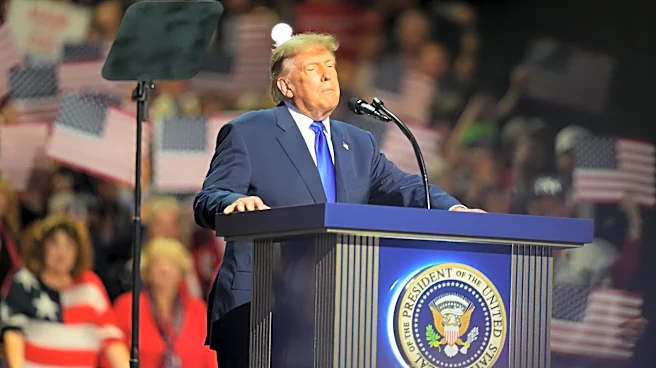
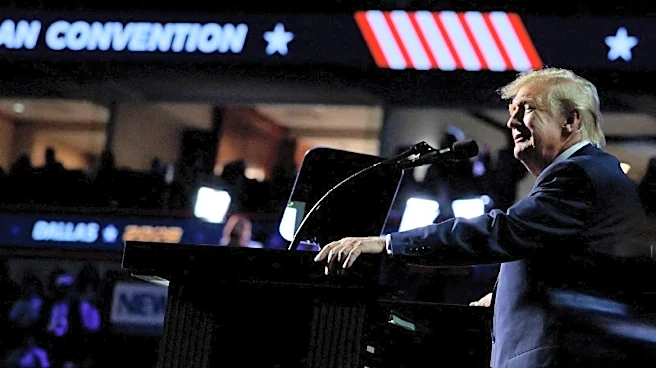
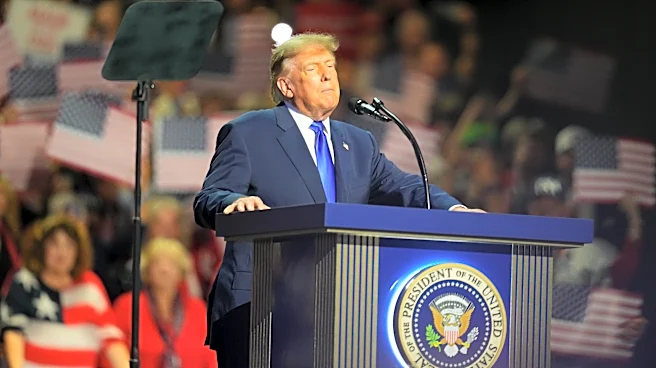
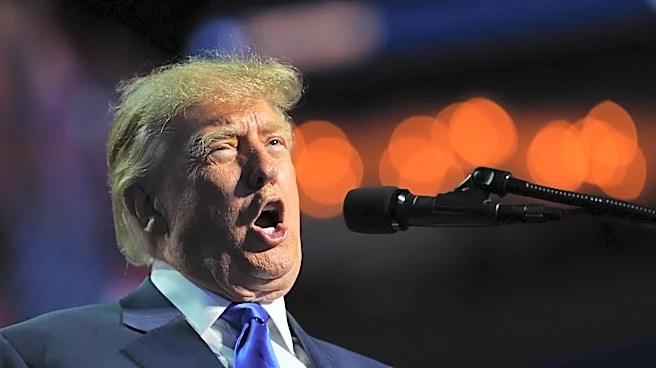
Republicans at their midterm convention in Dallas, 2026, outlined new economic proposals, including a potential "Trump dividend" of $5,000 for every adult if they maintain control of Congress. President Trump suggested this direct payment, which some
members of Congress have either endorsed or indicated could be transformed into other worker benefits. The party also highlighted existing policies such as the "Working Families Tax Cut," which rebrands benefits for tipped workers, those receiving overtime, and families with dependent children. Republicans also claimed credit for initiatives like lowering drug prices, rebranding it as "TrumpRx," and banning "congressional insider trading." These proposals aim to appeal to working-class Americans and address concerns about the cost of living, despite criticisms from Democrats regarding the feasibility and true beneficiaries of these policies.
Why It's Important?
These economic proposals are significant as they represent a strategic shift in the Republican party's messaging and policy focus ahead of the midterm elections. By proposing direct payments and emphasizing benefits for working-class families, Republicans are attempting to counter voter anxiety about the cost of living and gas prices. This populist approach, championed by President Trump, aims to broaden the party's appeal beyond its traditional base. The rebranding of existing policies and the adoption of ideas previously associated with Democrats, such as lowering drug prices, indicate a tactical effort to claim credit for popular initiatives. The success or failure of this strategy could influence the outcome of the midterm elections and shape future economic policy debates, potentially leading to increased government spending or tax adjustments to fund such initiatives. This could impact various economic stakeholders, from individual taxpayers to large corporations.
What's Next?
The Republican party will likely continue to promote these economic proposals and the idea of a "Trump dividend" as they campaign for the midterm elections. The feasibility and funding mechanisms for a $5,000 direct payment will likely be a point of contention and debate, particularly with Democrats. While some Republicans suggest tariffs could fund such payments, the actual cost would likely far exceed tariff revenues. Voters will evaluate these promises against their own economic realities and the proposals from the Democratic party. The outcome of the midterm elections will determine whether these proposals gain traction in Congress or remain campaign rhetoric. If Republicans secure control, there could be legislative efforts to implement some form of these economic benefits, potentially leading to significant changes in fiscal policy and government spending.
Beyond the Headlines
The Republican party's embrace of populist economic policies, including direct payments and re-branded social programs, signifies a deeper ideological evolution within the party. This move away from traditional conservative fiscal principles, such as limited government spending, reflects a strategic adaptation to the political landscape shaped by President Trump. It suggests that the party is prioritizing direct economic relief and appealing to a broader working-class demographic, even if it means adopting policies that were once considered outside its ideological boundaries. This shift could have long-term implications for the Republican platform, potentially leading to a more interventionist approach to economic issues. It also highlights the ongoing influence of President Trump in shaping the party's agenda and its willingness to challenge established norms to secure electoral victories, potentially redefining what it means to be a Republican in the modern era.