
What's Happening?
California’s Board of Forestry and Fire Protection has unanimously approved new fire-safe landscaping requirements, known as 'Zone Zero,' for millions of residents in fire-prone areas. These rules mandate
a complete ban on all plants within one foot of homes and require the first five feet around homes to be free of combustible materials such, as firewood, fallen leaves and branches, and mulch or wood chips. Additionally, wooden sheds are prohibited in this zone, and wooden fences attached to the house are also banned. The regulations apply to homes in State Responsibility Areas and Very High Fire Hazard Severity Zones, affecting an estimated 2 million properties. While new constructions must comply immediately, existing homeowners will have up to five years to meet these new standards. The board clarified that trees do not need to be removed, but limbs must be trimmed away from roofs and chimneys. This decision follows nearly six years of debate and aims to enhance safety and insurability in the face of escalating wildfires.
Why It's Important?
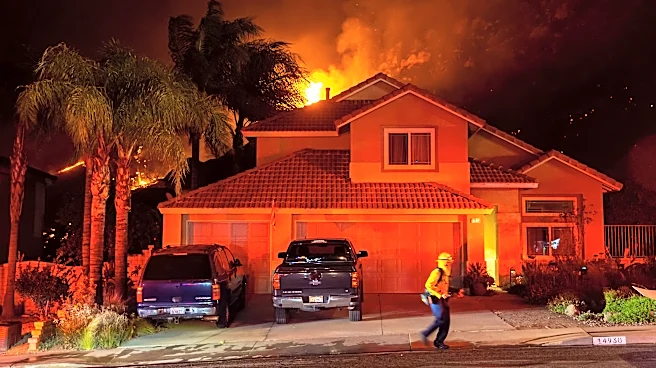
The implementation of 'Zone Zero' is a critical step in California's ongoing efforts to mitigate the devastating impact of wildfires, which have destroyed tens of thousands of homes and burned millions of acres in the last decade. Studies, including one from UC Berkeley, indicate that properties with cleared 'Zone Zero' areas have a significantly higher survival rate during wildfires. This directly impacts homeowners' safety and the availability and affordability of home insurance in high-risk regions. Insurers have increasingly withdrawn from or raised premiums in these areas due to the high risk, making these new regulations crucial for improving insurability. The rules also represent a shift in public policy, emphasizing proactive landscaping measures as a primary defense against wildfire, potentially setting a precedent for other fire-prone states. The economic implications are substantial, as homeowners will incur costs for compliance, but these are weighed against the potential for catastrophic losses from wildfires.
What's Next?
Following the formal rule-making process, likely in September, Californians will have up to five years to comply with the new 'Zone Zero' regulations, with new constructions adhering immediately. The rollout will occur in two phases: phase one, to be completed within three years, focuses on removing combustible materials within five feet of the house, while phase two, within five years, addresses the one-foot vegetation-free safety zone and replacement of combustible gates. Enforcement will be carried out by Cal Fire in State Responsibility Areas and by local fire authorities in other designated zones, potentially involving property inspections and penalties. Proponents of more lenient requirements are advocating for state programs to help middle- and lower-income homeowners finance these changes and assist older or disabled residents. Local governments also retain the flexibility to adopt alternative versions of 'Zone Zero' tailored to their communities, with some cities already pursuing this option.
Beyond the Headlines
The 'Zone Zero' regulations highlight a deeper societal challenge in balancing individual property rights with collective safety and environmental protection in the face of climate change. The debate leading to these rules involved significant backlash from homeowner associations and ecologists, who raised concerns about the financial burden on residents and the potential loss of ecological benefits from plants. This tension underscores the ethical considerations of mandating extensive landscaping changes, particularly for vulnerable populations. The long-term implications could include a transformation of residential landscapes in fire-prone areas, potentially leading to a more standardized, less vegetated aesthetic around homes. Furthermore, the success of these regulations could influence future urban planning and development policies in other regions grappling with similar environmental threats, pushing for more resilient and fire-adapted communities.