




What's Happening?
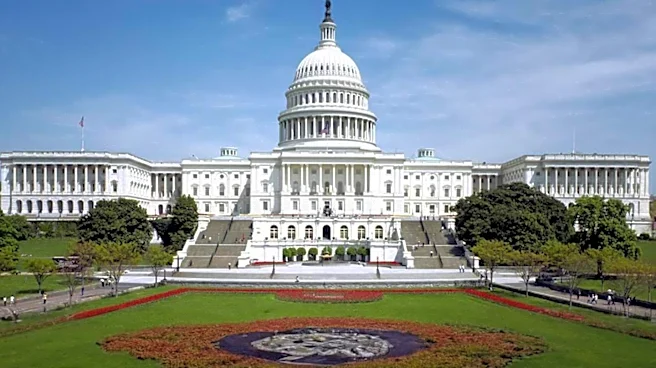
Representative Laurel Lee (R-Fla.), alongside Representative Lucy McBath (R-Ga.), has introduced the FEMA for Safe Recovery Act in Congress. This bipartisan bill aims to mandate gender-responsive and trauma-informed training for the Federal Emergency
Management Agency (FEMA). The proposed legislation seeks to improve federal-to-local coordination during disaster recovery, ensure check-ins with all household members rather than just the head of household, and strengthen shelter safety protocols. The inspiration for this bill stems from a documented increase in gender-based violence reports following the 2023 Lahaina wildfire in Hawaii. Research by the organization Tagnawa, detailed in their 'Equality in Flames' report, highlighted a rise in requests for temporary restraining orders, calls to women-based crisis hotlines, and domestic violence accounts in the aftermath of the fires. The bill seeks to address the unique vulnerabilities faced by women and girls during and after disasters, including access to essential items like feminine hygiene products and baby formula.
Why It's Important?
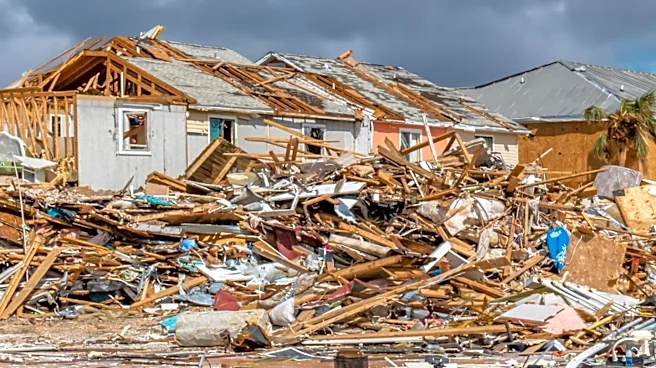
This legislative effort is important because it addresses a critical, yet often overlooked, aspect of disaster response: the disproportionate impact of disasters on women and girls, particularly concerning gender-based violence. Current FEMA policies are criticized for being gender-neutral, which can inadvertently leave women and children underserved or even at greater risk. By requiring gender-responsive and trauma-informed training, the bill aims to create a more equitable and effective disaster recovery system. This could lead to better protection for vulnerable populations, improved resource allocation, and a more comprehensive understanding of post-disaster needs. The bill's bipartisan support underscores a growing recognition of these issues, potentially setting a precedent for future disaster preparedness and response strategies across the U.S. It highlights how societal stressors exacerbated by disasters can lead to increased domestic issues, making a tailored response crucial for community well-being.
What's Next?
The FEMA for Safe Recovery Act will now proceed through the legislative process in Congress. Its bipartisan introduction suggests a potential for further consideration and debate in committees. Stakeholders, including anti-violence groups like Rights4Girls and local organizations such as Tagnawa, will likely continue to advocate for its passage, emphasizing the data and personal accounts that inspired the bill. If enacted, FEMA would be required to develop and implement new training programs, which could lead to significant operational changes in how the agency responds to future disasters. This could involve revising existing protocols for resource distribution, shelter management, and coordination with local support services. The bill's progress will be closely watched by humanitarian organizations, women's rights advocates, and communities vulnerable to natural disasters, as it could redefine the standard for disaster recovery efforts in the United States.
Beyond the Headlines
Beyond the immediate policy changes, this bill touches upon deeper societal implications regarding gender equality and vulnerability in crisis situations. The focus on gender-based violence in disaster recovery sheds light on how existing social inequalities can be amplified during emergencies. It challenges the traditional, often gender-blind, approach to disaster relief and calls for a more nuanced understanding of human needs. The bill's emphasis on trauma-informed care also acknowledges the psychological toll of disasters, particularly on those experiencing violence. This initiative could foster a broader cultural shift within disaster management agencies, encouraging them to consider the diverse experiences and needs of all affected individuals. Furthermore, the fact that Hawaii's experience with the Lahaina wildfire inspired national legislation demonstrates the potential for local insights to drive significant federal policy reform, highlighting the interconnectedness of local events and national policy-making.