




What's Happening?
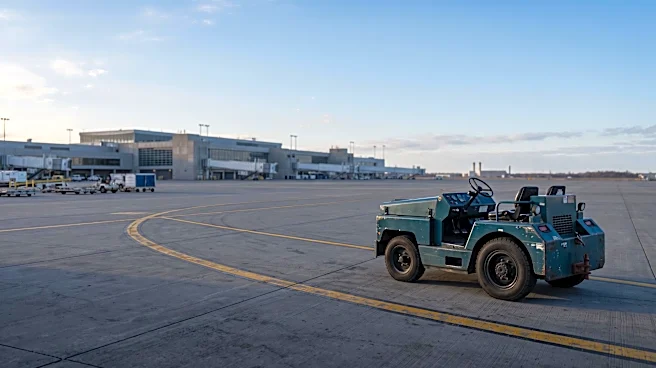
A 26-year-old man, scheduled for a Delta flight from Orange County to Seattle, stole an airline tug at John Wayne Airport. The incident occurred on Tuesday around 5:30 p.m. when the passenger allegedly entered the airfield through Gate 12. He then drove
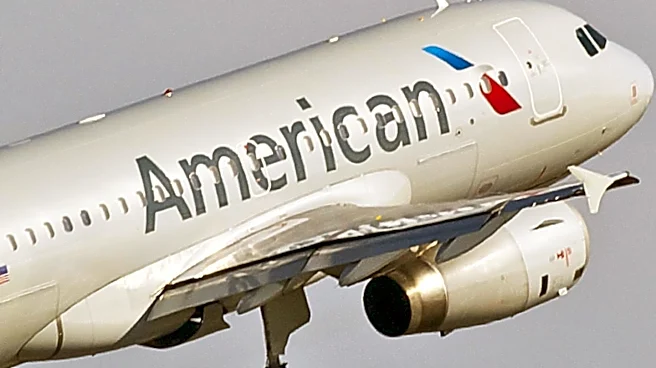
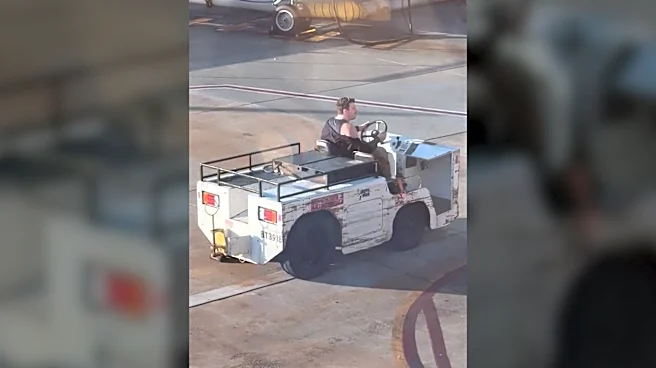
the stolen Alaska Airlines tug for some distance before crashing it into another vehicle at Gate 7. Following this, he attempted to steal an American Airlines lavatory truck but was apprehended by Airport Police Services. Footage of the tug theft has circulated on social media, showing the individual reversing the tug out of its parking spot before moving behind a parked aircraft. The area around Gate 7 was closed for approximately 10 minutes due to the incident. The suspect was taken into custody and transported to a local hospital for evaluation. Air traffic controllers briefly mentioned a 'ground stop' during radio communications, though authorities did not formally impose one. Delta acknowledged the event, deferring further comments to local airport officials and law enforcement, who stated that overall airport operations were not significantly disrupted.
Why It's Important?
This incident highlights significant security vulnerabilities at U.S. airports, particularly concerning unauthorized access to restricted airfield areas and the operation of ground support equipment. The ability of an individual to bypass security at Gate 12, steal an airline tug, and then attempt to commandeer another vehicle raises serious questions about perimeter security protocols and the monitoring of operational zones. Such breaches could have far more severe consequences, including potential threats to aircraft, passenger safety, or even acts of terrorism. The brief interruption to air traffic, even without a formal ground stop, underscores the potential for disruption to airline schedules and passenger travel. For airlines like Delta and Alaska Airlines, the event could prompt reviews of their ground operations security and equipment access procedures. The incident also places a spotlight on the mental health aspect, given the suspect's transport to a hospital for evaluation, suggesting a need for broader considerations in airport security beyond just physical barriers.
What's Next?
Airport authorities and law enforcement will likely conduct a thorough investigation into how the individual gained unauthorized access to the airfield and the tug. This investigation may lead to a review and potential enhancement of security measures at John Wayne Airport, including perimeter security, access control points, and surveillance systems for ground operations. Delta and Alaska Airlines may also re-evaluate their protocols for securing ground support equipment and ensuring that only authorized personnel can operate them. The legal proceedings against the suspect will follow, and the outcome could influence future security policies. Depending on the findings, other U.S. airports might also be prompted to assess their own security vulnerabilities to prevent similar incidents. There could also be discussions about the psychological screening of individuals who might pose a risk to public safety in sensitive environments like airports.
Beyond the Headlines
The incident at John Wayne Airport points to a broader challenge in balancing security with operational efficiency at busy transportation hubs. While the immediate focus will be on preventing similar occurrences, the event also touches upon the psychological well-being of individuals and the potential for erratic behavior in public spaces. The ease with which the individual accessed and operated the tug could spark discussions about the design and security features of such vehicles, potentially leading to technological advancements that require biometric or other advanced authentication for operation. Furthermore, the social media dissemination of the incident footage could influence public perception of airport security, potentially increasing calls for more stringent measures, even if they impact passenger convenience. This event serves as a stark reminder that security is a multi-faceted issue, encompassing physical barriers, human vigilance, and the psychological state of individuals within the system.