



What's Happening?
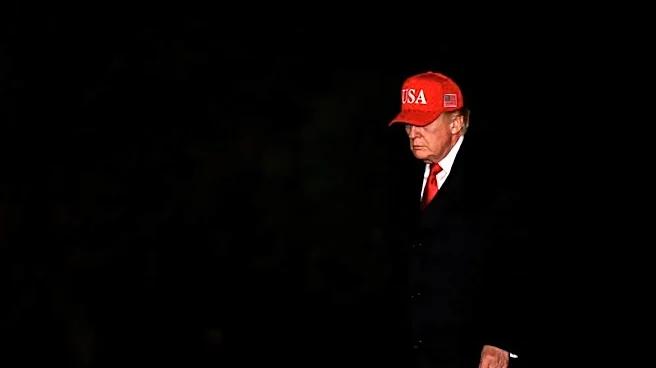
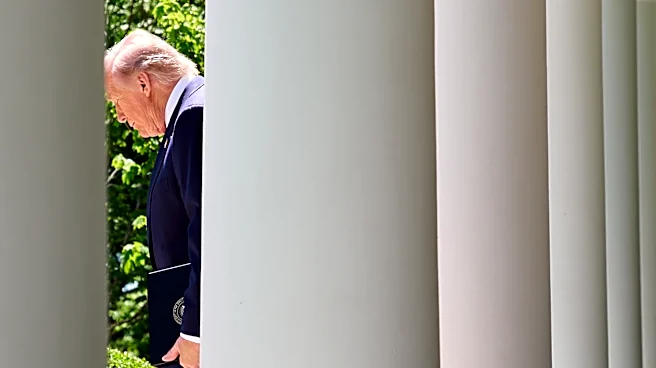
On the latest episode of 'Face the Nation,' President Trump referred to the ongoing conflict with Iran as a 'skirmish,' despite previous declarations that the war had been terminated. The conflict has significantly impacted global energy markets, with critical
trade routes through the Strait of Hormuz remaining largely frozen. Gas prices have continued to rise as a result. The U.S. is awaiting a response from Iran to a proposal for truce talks, mediated by Pakistan. Meanwhile, Israeli Prime Minister Benjamin Netanyahu stated that the conflict is not over, citing unresolved issues such as Iran's nuclear material and ballistic missile production. The U.S. Energy Secretary, Chris Wright, emphasized the need to end Iran's nuclear program, which remains a key objective for the U.S. administration.
Why It's Important?
The ongoing conflict with Iran has significant implications for global energy markets and geopolitical stability. The Strait of Hormuz is a vital passage for oil shipments, and its closure or restricted access can lead to increased energy prices worldwide. The conflict also highlights the complexities of U.S. foreign policy in the Middle East, particularly in relation to Iran's nuclear ambitions. The situation poses challenges for the U.S. administration in balancing military objectives with diplomatic efforts to achieve a peaceful resolution. The outcome of this conflict could have lasting effects on U.S. relations with Iran and other regional powers, as well as on global energy security.
What's Next?
The U.S. is likely to continue diplomatic efforts to reach a negotiated settlement with Iran, while maintaining military readiness to ensure the free flow of commercial traffic through the Strait of Hormuz. The economic pressure on Iran is expected to increase, as the U.S. seeks to leverage sanctions and other measures to bring Iran to the negotiating table. The situation remains fluid, with potential for further escalation if diplomatic efforts fail. The international community will be closely watching for any developments that could signal a shift in the conflict's trajectory.