






What's Happening?
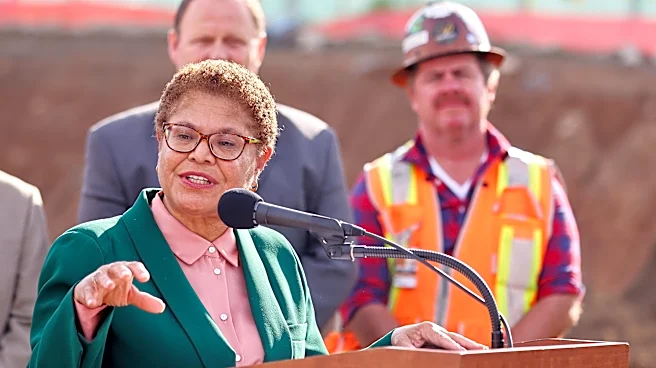
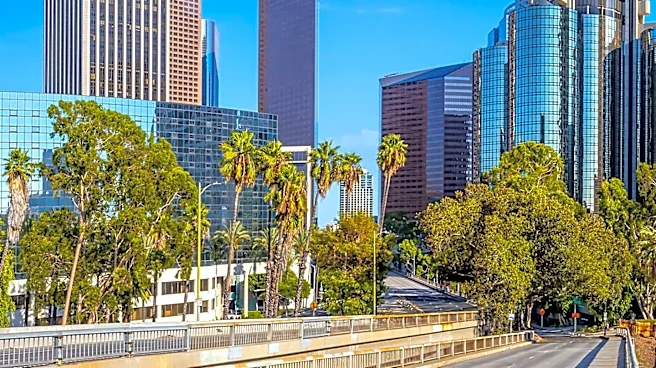
Mayor Karen Bass is receiving praise for significant improvements in downtown Los Angeles, according to a letter to the editor in the Los Angeles Times. The letter highlights a decline in crime, fewer vacancies, reduced graffiti and trash, and an increase
in tourism, business, policing, and mental health outreach teams. These positive developments were noted in a front-page article that detailed downtown L.A.'s potential comeback. The author of the letter specifically credits Mayor Bass for overseeing these changes, noting that her name has often been associated with the city's woes over the past four years. The improvements come to light shortly after the November 3 mayoral election, prompting the letter writer to acknowledge Bass's contributions, which they feel have been overlooked by the broader media. Another letter, however, disputes the 'upswing' report, stating that Skid Row conditions have worsened in the Historic Core and that mentally ill individuals pose threats on the subway, suggesting a disconnect between reported improvements and lived experiences.
Why It's Important?
The acknowledgment of improvements in downtown Los Angeles under Mayor Karen Bass's leadership is important as it shifts the narrative surrounding urban recovery and governance. For residents and businesses in Los Angeles, these reported changes could signify a return to stability and economic vitality, potentially encouraging further investment and community engagement. The contrast between the praise for Bass's efforts and the counter-argument regarding persistent issues in areas like Skid Row highlights the complex challenges faced by large urban centers. This divergence in perspectives underscores the difficulty in assessing the overall effectiveness of municipal policies, especially in diverse and sprawling cities. The discussion also brings to the forefront the role of media in shaping public perception of political leaders and their impact on urban development, particularly when positive developments are reported after electoral cycles.
What's Next?
The ongoing debate regarding the state of downtown Los Angeles and Mayor Karen Bass's role will likely continue to influence public discourse and policy decisions. If the positive trends in crime reduction and economic activity persist, it could bolster Mayor Bass's political standing and provide a mandate for further initiatives aimed at urban revitalization. Conversely, if the criticisms regarding the worsening conditions in areas like Skid Row gain more traction, there could be increased pressure on the mayoral administration to address these specific challenges more directly. Future reports and community feedback will be crucial in determining whether the perceived improvements are widespread and sustainable or if they represent isolated successes. The city's approach to homelessness and mental health services, in particular, will remain a key area of focus, with potential for new programs or adjustments to existing strategies.
Beyond the Headlines
Beyond the immediate reports of downtown revitalization, this situation touches upon deeper themes of urban resilience and the politics of perception. The timing of the positive news, emerging after an election, raises questions about how political narratives are constructed and consumed. It also highlights the inherent challenge of governing a city as vast and diverse as Los Angeles, where localized improvements may not reflect the reality of all neighborhoods. The differing accounts—one celebrating progress and another lamenting decline—underscore the fragmented experience of urban life and the difficulty in achieving uniform positive outcomes across an entire metropolitan area. This scenario also implicitly questions the metrics used to define 'improvement' and whether they adequately capture the lived experiences of all residents, particularly those most vulnerable. The long-term implications could involve a re-evaluation of how urban success is measured and communicated to the public.