





What's Happening?
NATO's Science and Technology Committee (STC) has significantly focused on uncrewed warfare capabilities, artificial intelligence (AI), and biological threats during its recent sessions, as detailed in Resolution 503 adopted in October 2025. This resolution
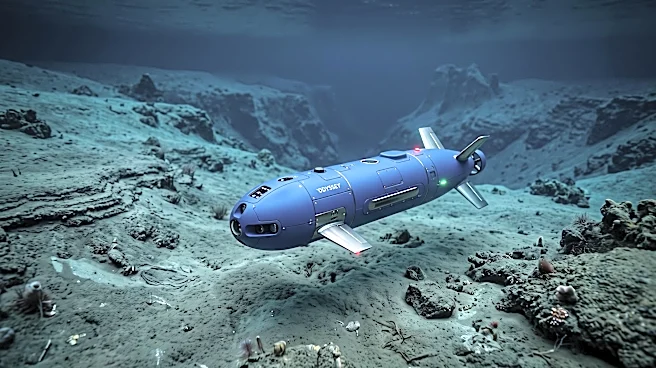
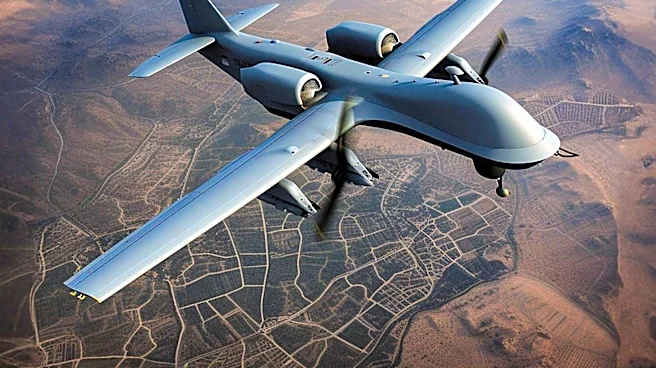
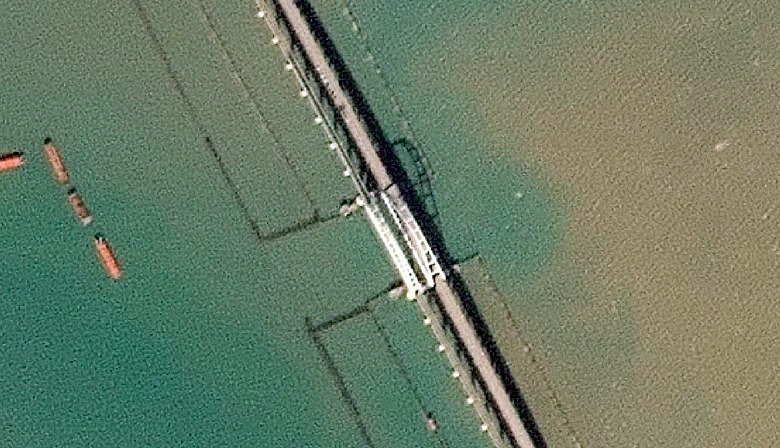
is specifically designed to prepare the alliance for future conflicts involving uncrewed systems. The committee's work extends to securing critical maritime choke points and undersea infrastructure, particularly in NATO's southern neighborhood. A report from the Ljubljana session in 2025 outlines evolving battlefield tactics driven by the increasing deployment of uncrewed systems. Beyond uncrewed warfare, the STC's comprehensive approach addresses a diverse range of security challenges, including cyber warfare and the integration of AI into military domains, as highlighted by Resolution 495 adopted in November 2024. The committee also examined biological threats and the potential for bioterrorism in the post-COVID-19 era, emphasizing the need for enhanced international cooperation.
Why It's Important?
This strategic focus by NATO's STC has significant implications for U.S. defense and technology sectors. The emphasis on uncrewed warfare, AI integration, and cyber defense signals a clear direction for future military procurement and research and development. U.S. companies specializing in drone technology, artificial intelligence, cybersecurity, and advanced materials are likely to see increased demand and opportunities for collaboration with NATO allies. The protection of critical maritime infrastructure, a key area of focus, also presents opportunities for U.S. firms involved in underwater surveillance, data security, and infrastructure resilience. Furthermore, the attention to biological threats underscores the need for advanced medical countermeasures and biodefense technologies, potentially stimulating innovation and investment in these areas within the U.S. The overall push for defense innovation and technological superiority aims to maintain NATO's competitive edge in a rapidly evolving global threat landscape, directly benefiting U.S. contributions to the alliance.
What's Next?
The STC's recommendations reflect a commitment to sustained investment in research and development to ensure NATO's long-term security and adaptability. Future efforts will likely involve continued development and deployment of uncrewed systems, further integration of AI into military operations, and enhanced measures to counter cyber and biological threats. The committee's work also includes fostering collaborative efforts to bolster technological capabilities and promote defense innovation among member states. This will involve accelerating the integration of novel materials through methods like additive manufacturing for rapid prototyping. Protecting critical maritime infrastructure will remain a priority, with ongoing efforts to enhance defenses against potential disruptions. These initiatives are part of a broader strategy to strengthen NATO's resilience and address the complex interplay between technological advancements and geopolitical realities.
Beyond the Headlines
The STC's proactive stance on emerging technologies like uncrewed warfare and AI raises profound ethical and legal questions regarding autonomous weapons systems and the future of warfare. The integration of AI into military decision-making processes could redefine accountability and the human role in conflict. Similarly, the focus on biological threats highlights the dual-use nature of scientific advancements and the constant challenge of distinguishing between defensive and offensive capabilities. This necessitates robust international dialogues and regulatory frameworks to prevent misuse and ensure responsible development. The emphasis on protecting critical infrastructure, including undersea cables, also underscores the vulnerability of modern societies to non-traditional attacks, potentially leading to new doctrines of defense and international cooperation in safeguarding global commons. These developments could trigger long-term shifts in military strategy, international law, and the ethical considerations surrounding technological progress in defense.