



What's Happening?
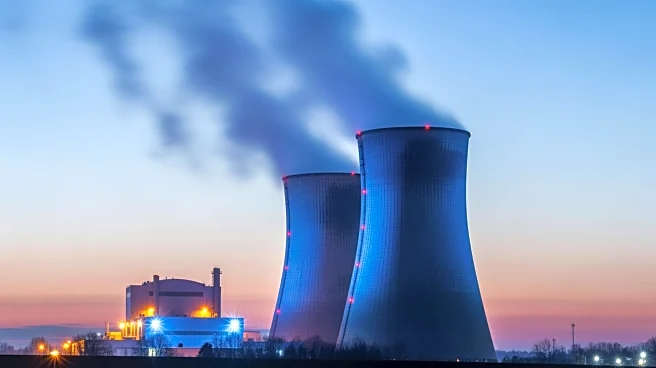
Tokyo Electric Power Company (TEPCO) is set to restart the Kashiwazaki-Kariwa nuclear power plant in Niigata, Japan, marking the first reopening of a nuclear facility since the Fukushima disaster in 2011. The decision comes after the Niigata prefectural
assembly approved a bill allowing the restart of one of the plant's reactors. TEPCO has implemented several safety measures, including new seawalls and upgraded filtering systems, to prevent a repeat of the Fukushima incident. Despite these efforts, local residents remain concerned about the safety of nuclear power, with a recent survey indicating that 60% of Niigata residents do not believe conditions for a safe restart have been met.
Why It's Important?
The restart of the Niigata plant is significant as Japan seeks to reduce its reliance on imported fossil fuels, which currently account for 60-70% of its power generation. The move is part of a broader strategy to revive the nuclear industry, which previously supplied 30% of the country's electricity. This shift is crucial for Japan's economic and environmental goals, including reducing carbon emissions and achieving net-zero emissions by 2050. However, the decision also highlights ongoing public skepticism about nuclear energy, rooted in the traumatic memories of the Fukushima disaster.
What's Next?
TEPCO plans to bring the No. 6 reactor online by January 20. The company will continue to address safety concerns and engage with local communities to build trust. The Japanese government, under Prime Minister Sanae Takaichi, is likely to push for further nuclear restarts to meet energy demands and climate targets. However, public opposition and safety concerns may pose challenges to these plans.
Beyond the Headlines
The restart of the Niigata plant underscores the complex balance between energy needs and public safety. It raises ethical questions about the risks of nuclear energy and the responsibility of energy companies to ensure safety. The situation also reflects broader global debates on the role of nuclear power in sustainable energy strategies.