
What's Happening?
The International Energy Agency (IEA) has issued a warning about the severe impact of the ongoing conflict between the U.S. and Iran on global oil and gas markets. The crisis, exacerbated by the blockade
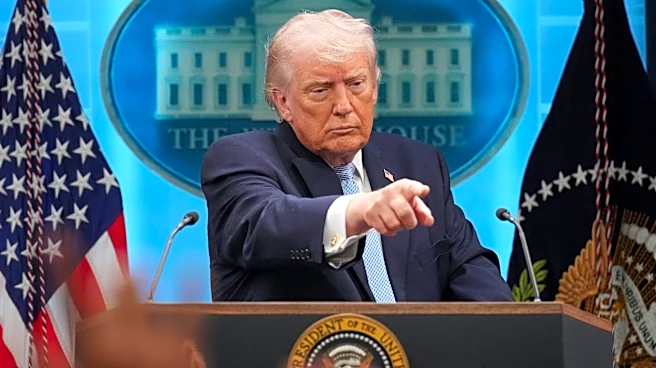
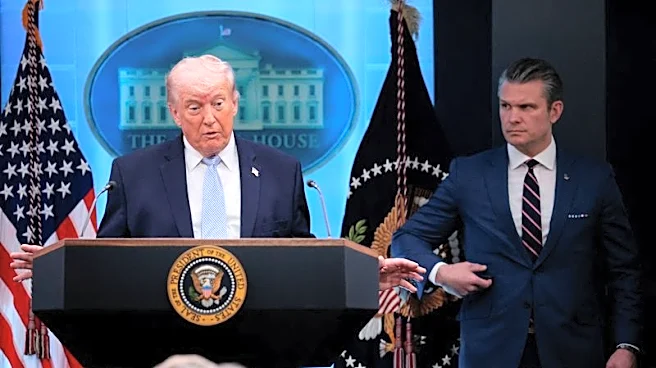
of the Strait of Hormuz, is described as more serious than the oil shocks of 1973, 1979, and 2022 combined. President Trump has set a deadline for Iran to reopen the waterway, threatening further military action if demands are not met. The situation has led to volatile oil prices, with significant implications for global markets. The conflict has already resulted in military strikes on Iranian infrastructure, further escalating tensions.
Why It's Important?
The crisis has significant implications for global economies, particularly affecting developing nations that are vulnerable to rising oil and gas prices. The conflict is contributing to increased inflation and economic instability, with potential repercussions for European countries, Japan, and Australia. The uncertainty surrounding the U.S.-Iran conflict is causing volatility in global stock markets, affecting investor confidence and economic forecasts. The situation underscores the geopolitical risks associated with energy dependence and highlights the need for diversified energy sources.
What's Next?
The immediate future hinges on Iran's response to President Trump's ultimatum. A failure to reach a diplomatic resolution could lead to further military escalation, impacting global oil supply and prices. The international community, including major economic stakeholders, will be closely monitoring developments, with potential diplomatic interventions to de-escalate tensions. The outcome of this conflict could influence future U.S. foreign policy and international relations in the Middle East.