







What's Happening?
The United States and the Philippines have commenced one of their largest joint military exercises, known as Balikatan, which translates to 'shoulder-to-shoulder' in Tagalog. This annual event, involving over 17,000 military personnel from both nations,
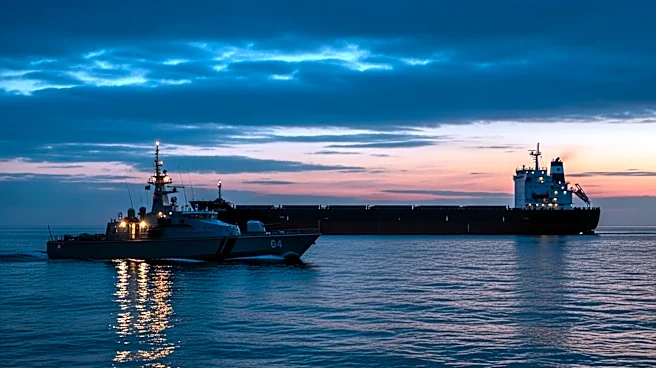
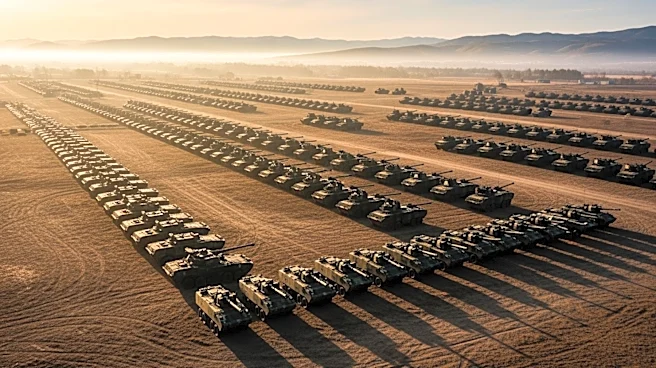
aims to demonstrate military strength and deter aggression in Asia. The drills, which will last nearly three weeks, include mock battle scenarios and live-fire maneuvers in strategic locations such as the South China Sea and the Taiwan Strait. This year, the exercises have expanded to include forces from Japan, France, and Canada, reflecting a broader international commitment to regional security. Despite the U.S.'s current focus on the Middle East, particularly the conflict with Iran, military officials emphasize the unwavering commitment to the Indo-Pacific region. The exercises are not only a show of force but also a preparation for potential natural disasters, according to the Philippine military.
Why It's Important?
These military exercises underscore the strategic importance of the Indo-Pacific region to the United States and its allies. The involvement of additional countries like Japan, France, and Canada highlights a collective effort to maintain stability and deter potential aggression, particularly from China, which has been increasingly assertive in the South China Sea. The drills serve as a reminder of the U.S.'s defense obligations to the Philippines, its oldest treaty ally in Asia, and reinforce the commitment to uphold international law and sovereignty. The exercises also reflect the geopolitical tensions in the region, as China views these drills as attempts to contain its rise. The outcome of these exercises could influence regional power dynamics and impact global trade routes that pass through these contested waters.
What's Next?
The continuation of these drills may lead to heightened tensions with China, which has historically opposed such military activities near its claimed territories. The U.S. and its allies are likely to continue strengthening their military presence and cooperation in the region to counterbalance China's influence. Future exercises may see increased participation from other nations, further solidifying international alliances. Additionally, the drills could prompt diplomatic engagements aimed at reducing tensions and fostering dialogue between the involved parties. The U.S. and the Philippines may also explore further military collaborations to enhance their defense capabilities and readiness for both military and humanitarian crises.