






What's Happening?
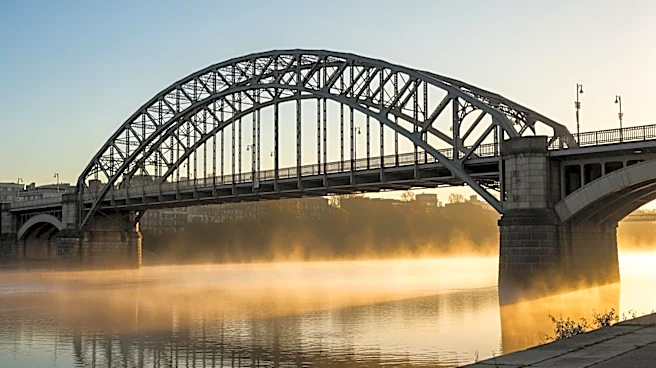
On May 14, 1920, the Michigan Avenue Bridge, now known as the DuSable Bridge, was officially opened in Chicago. The event was marked by a ribbon-cutting ceremony led by Mayor William Hale 'Big Bill' Thompson and Charles H. Wacker, head of the Chicago Plan
Commission. The celebration was almost disrupted when a lumber steamer, the Herman H. Hetler, signaled for the bridge to open while four automobiles were still on it. Bridge Tender George B. McLaughlin began raising the south span, unaware of the vehicles. Policemen quickly intervened by firing their revolvers to alert McLaughlin, who stopped the machinery in time to prevent the cars from falling. This quick action saved the occupants from potential injuries.
Why It's Important?
The opening of the Michigan Avenue Bridge was a significant event in Chicago's history, symbolizing progress and urban development. The bridge itself is a critical piece of infrastructure, facilitating transportation and commerce in the city. The near-accident highlights the challenges and risks associated with early 20th-century engineering and urban planning. It underscores the importance of safety protocols and the role of quick-thinking individuals in averting disasters. This event is a reminder of the complexities involved in managing urban infrastructure and the potential consequences of oversight.
What's Next?
While the article does not specify future events related to the bridge, the historical significance of such infrastructure projects continues to influence urban planning and development in Chicago. The DuSable Bridge remains a vital part of the city's transportation network, and ongoing maintenance and upgrades are likely to ensure its continued functionality. Future urban development projects can learn from past incidents to improve safety measures and operational protocols.
Beyond the Headlines
The incident at the Michigan Avenue Bridge opening reflects broader themes of technological advancement and urban growth in the early 20th century. It highlights the balance between progress and safety, a theme still relevant in today's rapidly developing urban environments. The story also illustrates the role of public officials and city planners in shaping the urban landscape, a responsibility that carries ethical and practical implications for community safety and development.