





What's Happening?
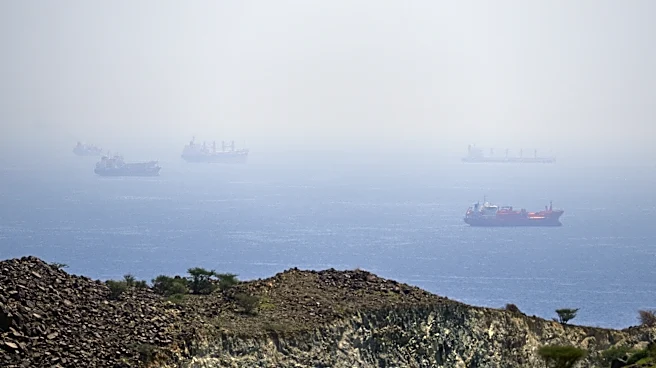
The Institute for the Study of War (ISW) and The Critical Threats Project (CTP) have reported ongoing tensions between the U.S. and Iran over control of the Strait of Hormuz. Iran has been attempting to assert control over this critical waterway by charging
vessels 'security fees' and enforcing compliance with the Islamic Revolutionary Guards Corps (IRGC) protocols. The U.S. has responded by maintaining a naval blockade and conducting mine-clearing operations to ensure safe passage through the strait. Recently, the U.S. Navy seized an Iranian-flagged container ship, marking a significant escalation in the conflict. The U.S. is also preparing for negotiations with Iran, although Iran has not confirmed its participation. The situation remains tense as the current ceasefire is set to expire soon.
Why It's Important?
The Strait of Hormuz is a vital chokepoint for global energy supplies, with a significant portion of the world's oil passing through it. Iran's attempts to control the strait could have severe implications for global trade and energy security. If Iran succeeds in imposing its control, it could disrupt the free flow of oil, leading to increased global energy prices and economic instability. The U.S. and its allies are concerned about maintaining freedom of navigation in international waters, and any concession to Iran's demands could set a dangerous precedent. The ongoing conflict also highlights the broader geopolitical tensions in the Middle East, with potential impacts on U.S. foreign policy and military strategy.
What's Next?
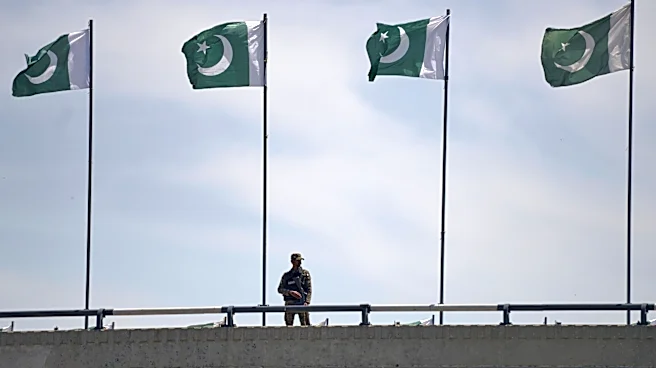
The U.S. is expected to continue its naval operations to ensure the safety of the Strait of Hormuz. Negotiations are planned, with U.S. officials set to travel to Pakistan to engage with Iranian representatives. However, Iran's participation remains uncertain, and the expiration of the ceasefire could lead to renewed hostilities. The international community will be closely monitoring the situation, as any escalation could have far-reaching consequences for regional stability and global energy markets.