






What's Happening?
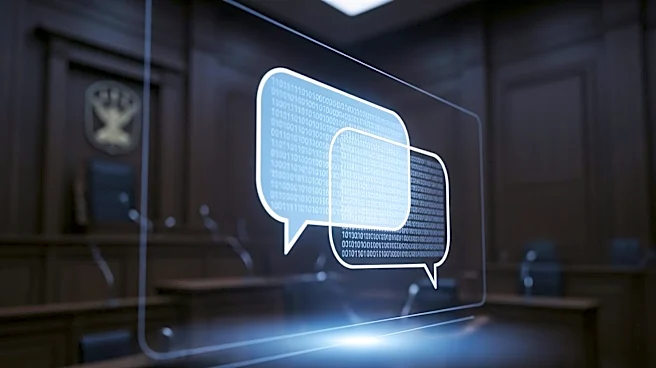
In a recent development, AI chatbot interactions, specifically those with ChatGPT, are being used as evidence in criminal investigations. A Florida prosecutor's affidavit alleges that Hisham Abugharbieh used ChatGPT to inquire about concealing a human
body, which has been included in court documents charging him with two counts of first-degree murder. This case highlights a growing trend where law enforcement agencies utilize AI chat histories as evidence. Notably, a Snapchat AI conversation was also used in a Virginia prosecution. According to cybersecurity expert Ilia Kolochenko, communications with AI chatbots are considered a 'treasure trove' for law enforcement, as these interactions do not have the legal confidentiality protections granted to communications with licensed professionals like lawyers or doctors.
Why It's Important?
The use of AI chatbot conversations in legal proceedings underscores the evolving role of technology in law enforcement and the justice system. This development could significantly impact how digital communications are perceived in terms of privacy and legal rights. As AI chatbots become more integrated into daily life, the potential for their use in legal contexts raises questions about user privacy and the extent to which these interactions can be protected under existing laws. The lack of confidentiality protections for AI communications could lead to increased scrutiny and regulation of AI technologies, affecting both developers and users. This trend may also prompt discussions on the ethical use of AI in legal settings and the need for updated legal frameworks to address these new challenges.