


What's Happening?
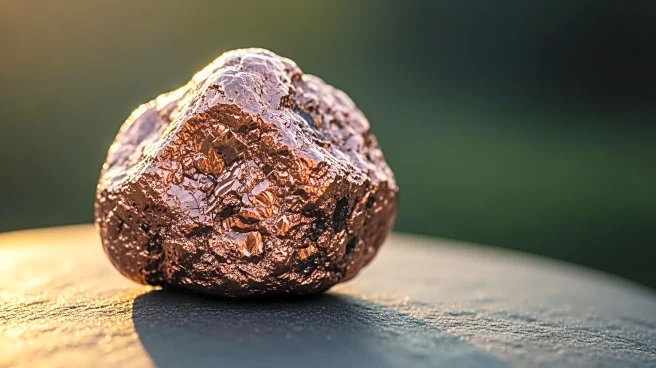
Greenland's rare earth reserves, estimated at around 1.5 million tonnes of total rare earth oxide, could potentially reach 42 million tonnes, placing it just behind China's reserves. However, GEM Mining Consulting highlights significant commercial challenges
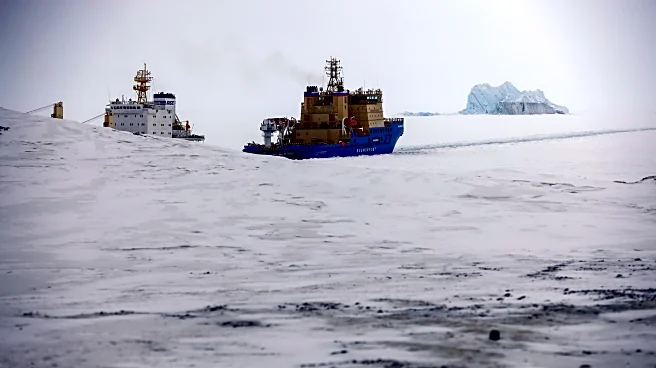
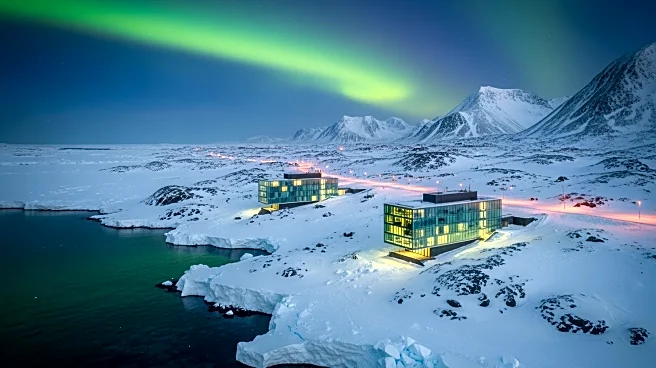
in developing these resources. The analysis points out that while Greenland's geological potential is promising, the transition to mining development is hindered by Arctic environmental and infrastructural constraints. The report compares Greenland's situation to Alaska, emphasizing the need for modern reporting standards and the ability to operate in harsh Arctic conditions.
Why It's Important?
The development of Greenland's rare earth resources is crucial in the context of global supply chains, especially given China's dominance in rare earth production. Greenland's potential could diversify supply sources, reducing dependency on China. However, the commercial viability of these resources is uncertain due to infrastructural and environmental challenges. Successful development could enhance U.S. and European access to critical minerals, essential for technologies like EVs and wind turbines, impacting industries reliant on these materials.
What's Next?
Future steps involve overcoming infrastructural and environmental challenges to make Greenland's resources commercially viable. This includes securing financing, building infrastructure, and ensuring environmentally sustainable practices. The geopolitical interest, particularly from the U.S., could influence the pace and direction of development, but practical challenges remain significant.
Beyond the Headlines
The situation underscores the broader issue of balancing resource extraction with environmental and social considerations in Arctic regions. Greenland's case highlights the complexities of translating geological potential into economic reality, requiring careful navigation of regulatory, environmental, and social landscapes.