






What's Happening?
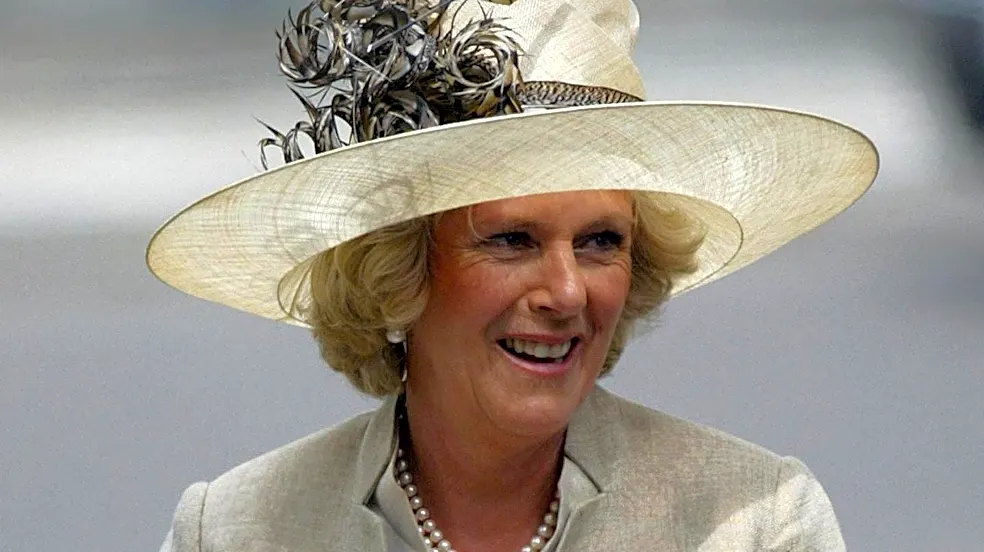
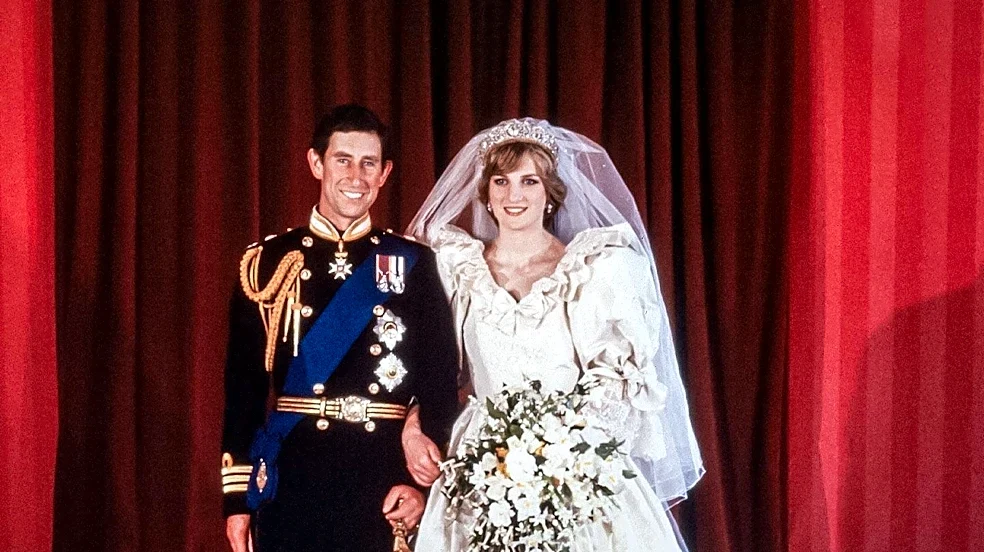
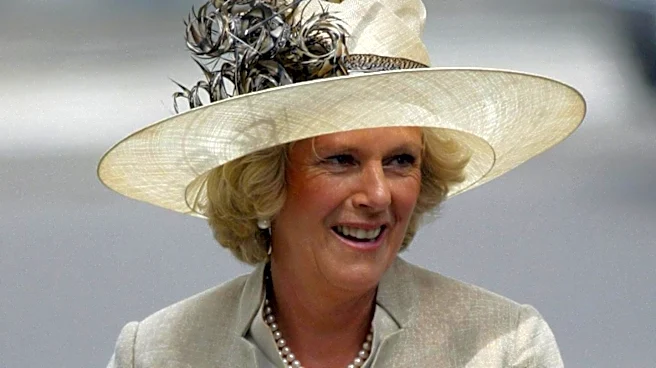
Camilla Parker Bowles, now Queen Consort, has undergone a significant transformation in public perception. In the 1990s, she faced widespread public backlash due to her relationship with Prince Charles, which was largely perceived as the cause of his
divorce from Princess Diana. This period was marked by intense media scrutiny and negative public sentiment. However, over the subsequent decades, Camilla has steadily gained respect and admiration from a majority of the British public. Her son, Tom Parker Bowles, has publicly lauded her resilience and culinary skills, contributing to a more positive public image. This shift culminated in her becoming Queen Consort when Charles ascended to the throne on September 8, 2022, following the death of Queen Elizabeth II. She was subsequently crowned alongside King Charles III on May 6, 2023, solidifying her position within the monarchy and public acceptance.
Why It's Important?
The evolution of Camilla Parker Bowles' public image is significant as it reflects broader societal shifts in attitudes towards public figures and the monarchy. Her journey from a controversial figure to a respected Queen Consort demonstrates the capacity for public opinion to change over time, influenced by consistent public service and personal conduct. This transformation also highlights the resilience of the British monarchy in adapting to changing social norms and maintaining its relevance. For the institution, Camilla's acceptance by the public strengthens the stability and legitimacy of King Charles III's reign. Her role as Queen Consort is crucial in supporting the monarch and engaging in charitable work, which contributes to the monarchy's public value and continued existence in a modern society. Her story also offers a case study in reputation management and the long-term impact of sustained public engagement.
What's Next?
As Queen Consort, Camilla Parker Bowles will continue to play a prominent role in supporting King Charles III and the British monarchy. Her future engagements will likely involve extensive charitable work, diplomatic duties, and participation in national ceremonies. She is expected to further solidify her public image through continued dedication to her patronages, which include literacy and supporting victims of domestic abuse. The public's ongoing acceptance and positive perception of Camilla will be vital for the monarchy's stability and popularity in the coming years. Her actions and public appearances will continue to be observed as the monarchy navigates its role in contemporary society, particularly as younger generations form their opinions on the institution. Her continued presence and work are integral to the ongoing narrative of the modern British Royal Family.
Beyond the Headlines
Camilla Parker Bowles' journey transcends a simple change in public opinion; it delves into deeper themes of forgiveness, resilience, and the evolving nature of public morality. Her initial vilification and subsequent acceptance reflect a societal shift from rigid moral judgments to a more nuanced understanding of personal relationships and public service. Ethically, her story raises questions about the fairness of public judgment and the potential for redemption. Legally and culturally, her integration into the highest echelons of the monarchy, despite her past, signifies a modernization of royal traditions and a departure from stricter historical protocols regarding divorce and remarriage within the royal family. This long-term shift could influence how future generations perceive the monarchy's adaptability and its capacity to reflect contemporary values while maintaining its historical essence.