
What's Happening?
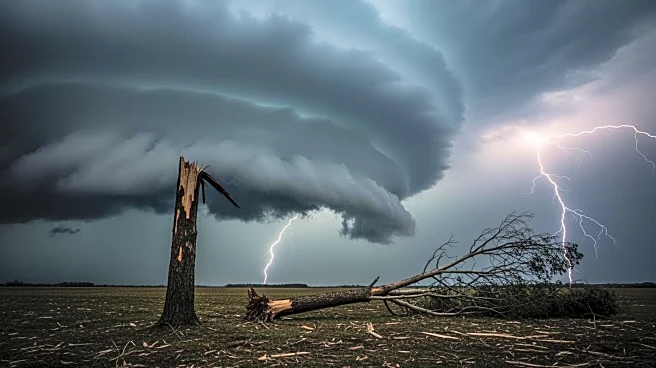
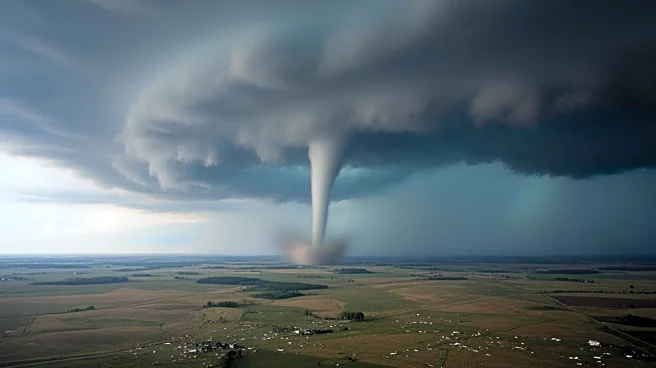
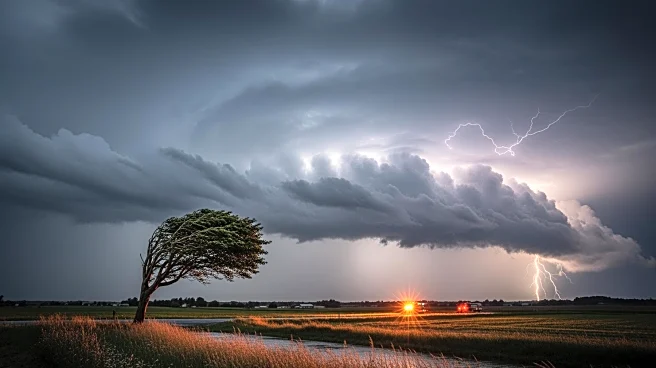
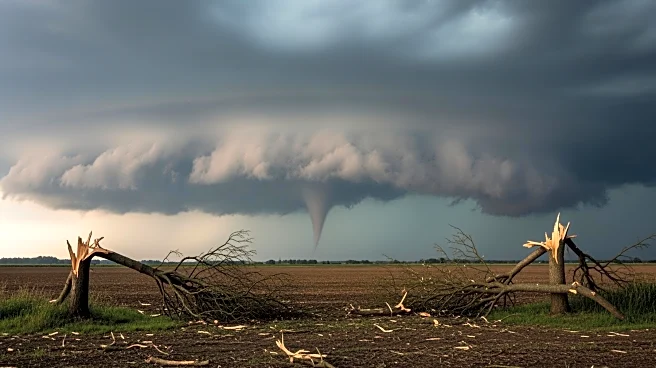
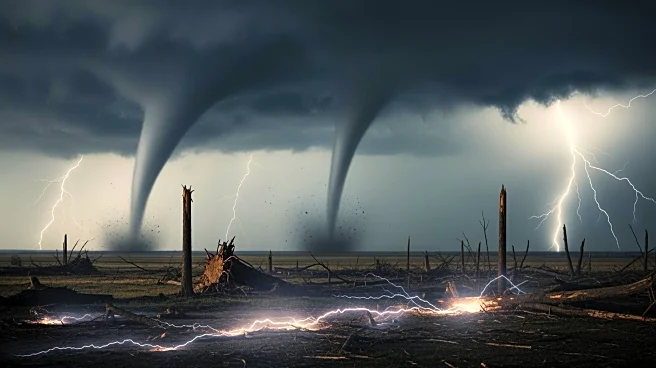
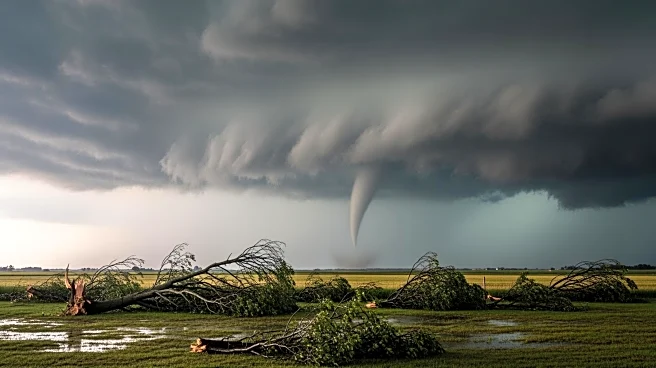
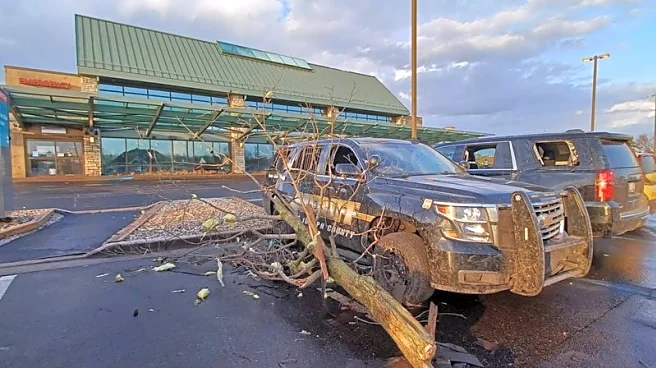
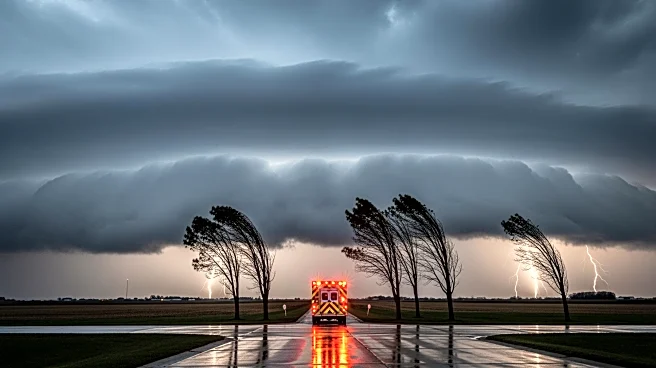
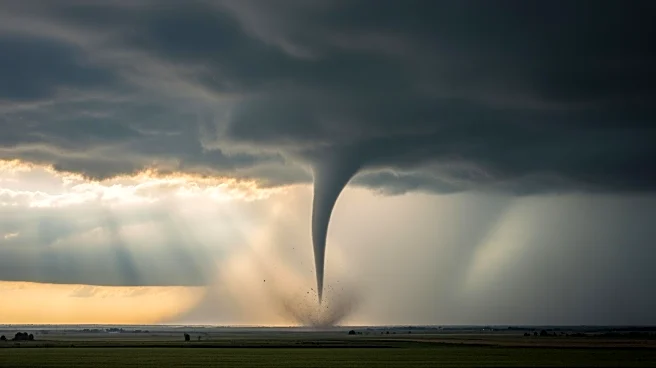
Governor Gretchen Whitmer has activated the State Emergency Operations Center (SEOC) in response to severe weather conditions affecting Southwest Michigan. The activation occurred on Friday evening as high winds and suspected tornadoes caused significant
damage across multiple counties, including Branch, Cass, and St. Joseph. The Michigan State Police Emergency Management and Homeland Security Division (MSP/EMHSD) is actively monitoring the situation and coordinating with state and local officials to address resource needs. The SEOC is prepared to respond to any requests for assistance, ensuring a coordinated effort to manage the emergency. The severe weather has resulted in injuries and widespread power outages, prompting a local state of emergency declaration.
Why It's Important?
The activation of the SEOC underscores the severity of the weather event and the potential impact on the affected communities. By coordinating a comprehensive response, the state aims to mitigate the damage and ensure the safety of residents. The involvement of multiple agencies highlights the need for a unified approach to disaster management, which is crucial in minimizing the impact on infrastructure and public safety. The situation also emphasizes the importance of emergency preparedness and the role of government in providing timely support during natural disasters. The response efforts will likely influence future policies on disaster management and resource allocation in Michigan.
What's Next?
As the situation develops, the SEOC will continue to monitor the weather conditions and coordinate with local emergency management teams. Efforts will focus on restoring power, assessing damage, and providing necessary aid to affected residents. The state may also deploy additional resources if the situation worsens. Residents are advised to stay informed through official channels and follow safety guidelines. The response to this event could lead to a review of emergency protocols and infrastructure resilience in the region, potentially influencing future preparedness strategies.