



What's Happening?
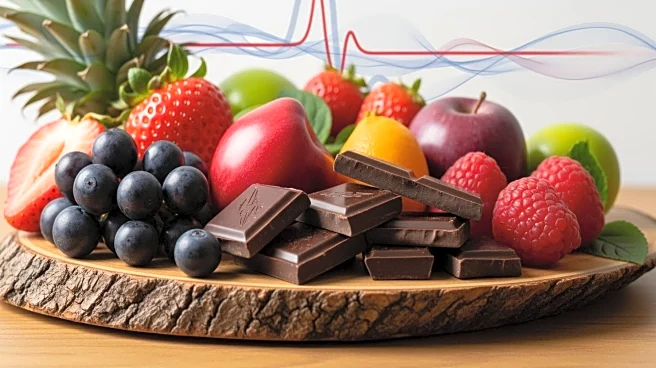
Researchers at the University of Birmingham have discovered that consuming foods high in flavanols, such as tea, berries, apples, and cocoa, can help maintain vascular health during prolonged periods of sitting. The study, published in the Journal of Physiology,
involved 40 healthy young men who were divided into two groups based on their fitness levels. Participants consumed either a high-flavanol cocoa drink or a low-flavanol cocoa drink before a two-hour sitting trial. The study found that those who consumed the high-flavanol drink did not experience declines in vascular function, unlike those who consumed the low-flavanol drink. This suggests that flavanols can prevent sitting-induced vascular dysfunction, regardless of the individual's fitness level.
Why It's Important?
The findings are significant as they offer a dietary strategy to counteract the negative vascular effects of prolonged sitting, a common aspect of modern sedentary lifestyles. With young adults spending an estimated six hours per day seated, the risk of cardiovascular diseases increases due to reduced vascular function. The study highlights the potential of flavanols to support vascular health across various activity levels, providing a simple and accessible way to mitigate health risks associated with inactivity. This could have broad implications for public health, particularly in reducing the incidence of heart disease and related conditions.
What's Next?
Future research may explore the effects of flavanols on women, as hormonal changes during the menstrual cycle could influence vascular responses. Additionally, further studies could investigate the long-term benefits of flavanol consumption in diverse populations and settings. Public health initiatives might consider promoting flavanol-rich diets as part of broader strategies to combat sedentary lifestyle-related health issues.
Beyond the Headlines
The study underscores the importance of dietary choices in managing health risks associated with modern lifestyles. It also raises awareness about the potential of natural compounds like flavanols in preventive health strategies. As sedentary behavior becomes more prevalent, integrating flavanol-rich foods into daily diets could become a key component of maintaining cardiovascular health.