



What's Happening?
Judy Woodruff, a senior correspondent and former anchor and managing editor of the PBS NewsHour, was featured in a recent segment titled 'Ukrainian refugees face growing hostility in Poland.' This report highlights a significant shift in public sentiment
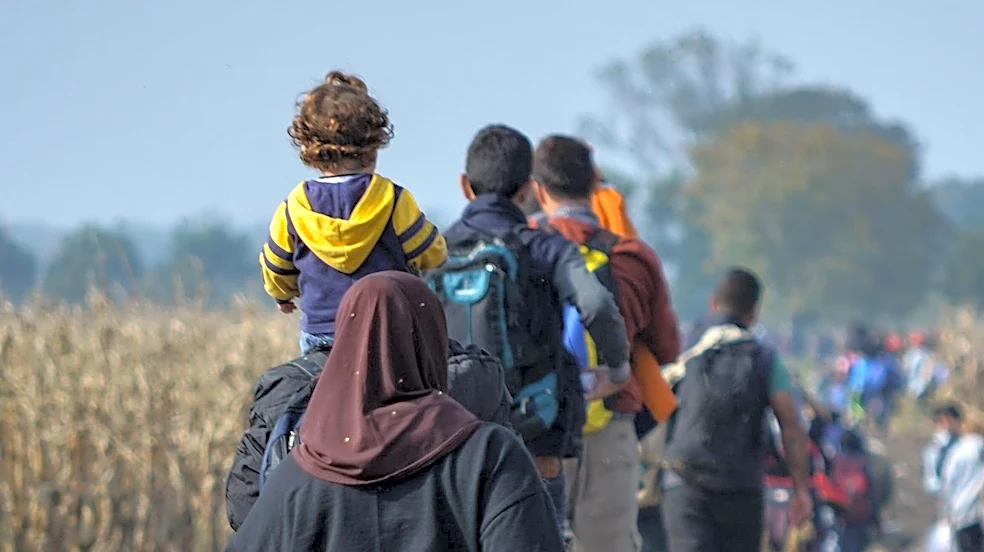
within Poland, a country that initially provided staunch support to Ukraine following Russia's full-scale invasion. Over the past four years, approximately one million Ukrainian refugees have sought sanctuary in Poland. However, the segment reveals that many Poles are increasingly turning against these refugees. The report attributes this growing hostility to divisions exacerbated by the 'bitter cultural memory of a World War II massacre,' suggesting historical grievances are resurfacing and impacting current social dynamics. Special correspondent Malcolm Brabant reported on this development.
Why It's Important?
This report is crucial for understanding the evolving humanitarian crisis stemming from the conflict in Ukraine and its broader societal impacts. Poland's initial welcoming stance was a cornerstone of international support for Ukraine, and a shift in this sentiment could have significant implications for refugee policies and regional stability. The resurgence of historical tensions, particularly those related to World War II, underscores the complex interplay between past conflicts and present-day challenges. This situation affects not only the well-being of Ukrainian refugees but also the social cohesion within Poland and its relationship with Ukraine. For the U.S., which has been a major supporter of Ukraine, these developments highlight the long-term challenges of managing refugee flows and maintaining international alliances, potentially influencing future aid and diplomatic strategies.
What's Next?
The growing hostility towards Ukrainian refugees in Poland suggests a need for increased attention from international organizations and governments. Future developments may include efforts to mediate tensions between Polish citizens and Ukrainian refugees, potentially through cultural exchange programs or public awareness campaigns. The Polish government might face pressure to address the underlying historical grievances and implement new policies to manage refugee integration more effectively. International bodies may also need to reassess their support mechanisms for countries hosting large refugee populations, considering the social and economic strains involved. Continued reporting from outlets like PBS NewsHour will be vital in tracking these developments and informing global responses to this complex humanitarian situation.
Beyond the Headlines
The segment on Ukrainian refugees in Poland delves into the profound and often overlooked consequences of large-scale displacement. Beyond the immediate humanitarian needs, the report highlights how historical narratives and collective memories can profoundly shape contemporary social and political landscapes. The 'bitter cultural memory of a World War II massacre' serves as a powerful reminder that unresolved historical traumas can resurface during times of crisis, complicating efforts at solidarity and integration. This situation raises ethical questions about the responsibilities of host nations, the challenges of cultural assimilation, and the long-term psychological impacts on both refugee and host communities. It underscores the need for comprehensive approaches that address not only immediate needs but also the deeper historical and cultural factors influencing social dynamics.