


What's Happening?
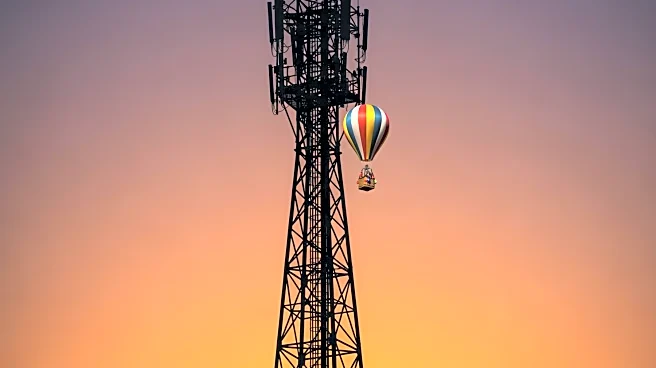
In Longview, Texas, a hot air balloon carrying two passengers collided with a cell phone tower, leaving the balloon precariously suspended 920 feet above the ground. The Longview Fire Department responded to the emergency at 8:15 AM and initiated a complex
rescue operation. The rescue, described as a 'high angle rescue,' involved climbing to the height of the balloon using multiple rope systems due to the extreme height and complexity of the situation. The operation took over an hour, and rescuers made contact with the passengers around 10 AM. Both passengers were conscious, and no injuries were reported.
Why It's Important?
This incident highlights the challenges and risks associated with hot air ballooning, particularly in areas with tall structures like cell phone towers. The successful rescue operation underscores the importance of having well-trained emergency response teams capable of handling high-risk situations. It also raises awareness about the need for safety measures and regulations in recreational aviation to prevent similar incidents. The event could prompt discussions on improving safety protocols for hot air balloon flights, especially in urban or semi-urban areas where such structures are prevalent.
What's Next?
Following the rescue, there may be investigations into the cause of the collision to prevent future occurrences. The Federal Aviation Administration (FAA) might review existing regulations concerning hot air balloon operations near tall structures. Additionally, the incident could lead to increased safety briefings and training for hot air balloon operators. Local authorities might also consider implementing stricter guidelines for recreational flights in areas with significant infrastructure.