



What's Happening?
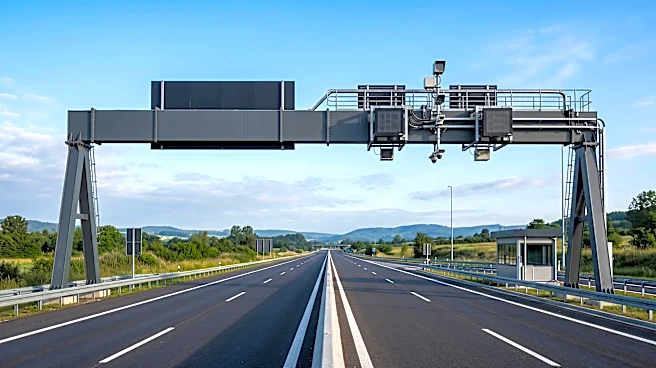
Governor Wes Moore has instructed the Maryland Transportation Authority (MDTA) to pause any increases in state tolls for the upcoming year, 2027. This decision aims to provide financial relief to Maryland residents. According to Governor Moore, this move
is expected to save Marylanders approximately $50 million. The MDTA confirmed that it will delay the planned toll increases in 2027, stating that it will continue to maintain the state's toll roads, bridges, and tunnels in good repair despite the pause in revenue adjustments. The announcement was made by the Governor, emphasizing his commitment to giving residents 'extra breathing room' during the current economic climate.
Why It's Important?
This decision by Governor Moore is significant for Maryland residents and the state's economy. By pausing toll increases, the state government is directly intervening to alleviate financial burdens on commuters and businesses that rely on Maryland's transportation infrastructure. The estimated $50 million in savings for Marylanders can translate into increased disposable income for households or reduced operating costs for businesses, potentially stimulating local economic activity. This move also reflects a policy choice to prioritize affordability and public welfare over immediate revenue generation from tolls. While the MDTA has assured continued maintenance of infrastructure, the long-term financial implications of foregone revenue for future infrastructure projects or operational budgets will be a key consideration.
What's Next?
The Maryland Transportation Authority will proceed with delaying the planned toll increases for 2027 as directed by Governor Moore. This means that current toll rates will remain in effect throughout the next year. The MDTA will continue its operations, including the maintenance of toll roads, bridges, and tunnels, using existing revenue streams and budgetary allocations. It is likely that the financial impact of this pause will be assessed over the coming year, and future decisions regarding toll adjustments will depend on economic conditions, state budget considerations, and the ongoing needs of Maryland's transportation infrastructure. Stakeholders, including commuters, businesses, and transportation advocacy groups, will likely monitor the situation closely for any future announcements regarding toll policies.
Beyond the Headlines
This action by Governor Moore highlights the delicate balance state governments must strike between funding essential infrastructure and managing the cost of living for their constituents. The decision to pause toll increases, while providing immediate relief, could spark broader discussions about alternative funding mechanisms for transportation projects in Maryland. It also underscores the political sensitivity surrounding user fees like tolls, especially during periods of economic uncertainty. This move could set a precedent for how the state approaches future revenue adjustments for public services, potentially influencing policy debates on taxation, infrastructure investment, and economic relief measures. The long-term sustainability of Maryland's transportation network without regular toll adjustments will be a critical factor in future policy considerations, potentially leading to innovative solutions for infrastructure financing.