


What's Happening?
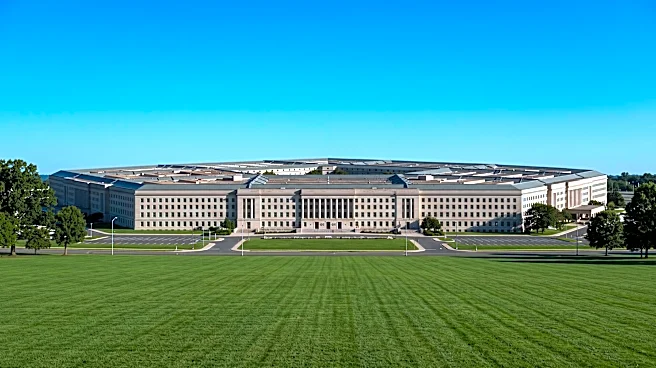
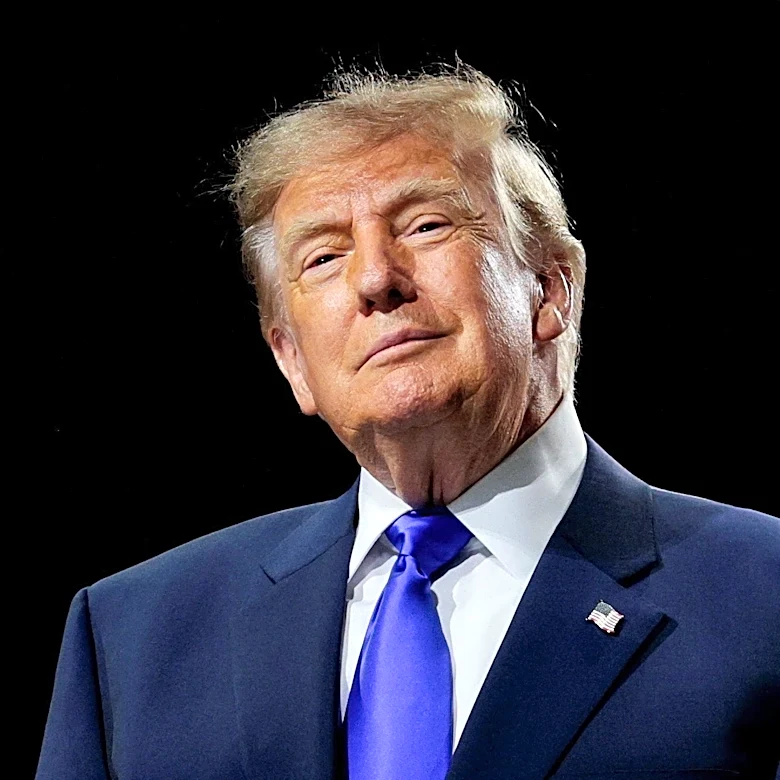
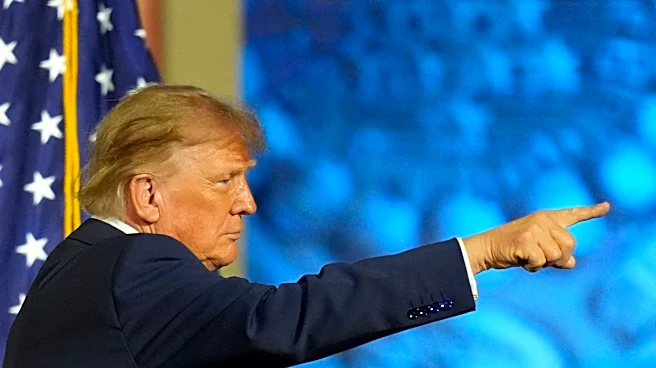
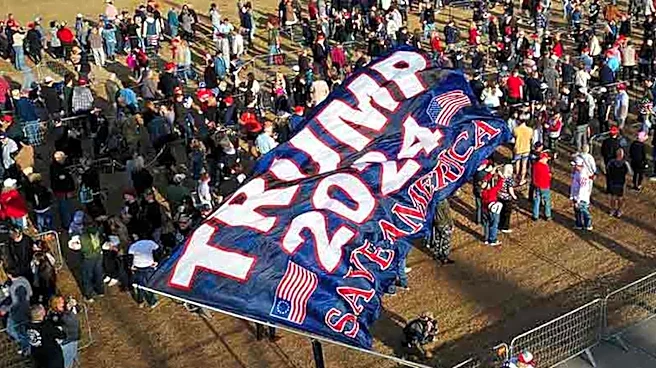
During the first day of the 2026 Republican Midterms Convention in Dallas, President Trump stated that U.S. Army Gen. Dan Caine, Chairman of the Joint Chiefs of Staff, was in attendance. However, this claim was refuted by Pentagon spokesman Joe Holstead,
who confirmed that General Caine was simultaneously speaking at a 9/11 anniversary event at the George W. Bush Presidential Center. Post reporter Dan Lamothe highlighted the physical impossibility of General Caine being at both events. A spokesperson for the Trump White House, Anna Kelly, acknowledged President Trump's thanks to General Caine for his contributions to the military but did not address the inaccurate statement regarding his presence at the convention. Pentagon regulations prohibit U.S. troops from attending partisan political events as official representatives of the Armed Forces, except for specific ceremonial roles.
Why It's Important?
This incident underscores the delicate balance between military leadership and political events, particularly concerning the non-partisan nature expected of high-ranking military officials. General Caine's role as Chairman of the Joint Chiefs of Staff requires him to remain apolitical to maintain public trust and the integrity of the armed forces. President Trump's assertion, even if unintentional, could be perceived as an attempt to associate a prominent military figure with a partisan political gathering, potentially blurring the lines of military neutrality. The Pentagon's swift clarification reinforces the institutional commitment to keeping the military separate from political campaigning, a cornerstone of democratic governance. This distinction is crucial for ensuring that the military's advice and actions are seen as serving the nation's interests rather than any specific political agenda.
What's Next?
The Pentagon's clarification is likely to stand as the official record of General Caine's whereabouts during the convention. While the Trump White House spokesperson did not directly address the discrepancy, the military's regulations on partisan events are clear. This event may prompt further discussions or reminders within military circles regarding the importance of adhering to non-partisanship, especially for senior leaders. Political commentators and media outlets may continue to highlight such instances to emphasize the need for accuracy in public statements, particularly when involving military personnel. The incident serves as a reminder of the scrutiny faced by both political figures and military leaders in maintaining appropriate boundaries.
Beyond the Headlines
The broader implication of this event touches upon the increasing politicization of various institutions in the U.S., including the military. The expectation of military non-partisanship is a critical democratic norm, designed to prevent the armed forces from being used as a tool for political gain. When political figures make statements that appear to co-opt military leaders for partisan events, it can erode public trust in the military's impartiality. This incident highlights the ongoing challenge of upholding institutional independence in a highly polarized political environment. It also brings to light the responsibility of political leaders to be precise in their public remarks, especially when referencing individuals whose roles demand strict neutrality.