






What's Happening?
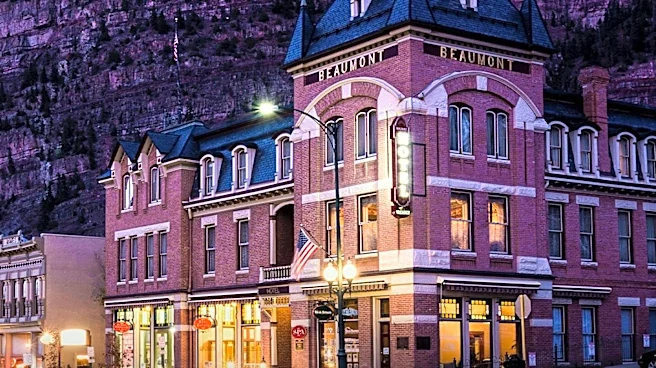
As the United States marks its 250th anniversary, architects are raising concerns about the country's tendency to prioritize new development over the preservation of historic buildings. This approach, they argue, risks erasing landmarks that reflect local
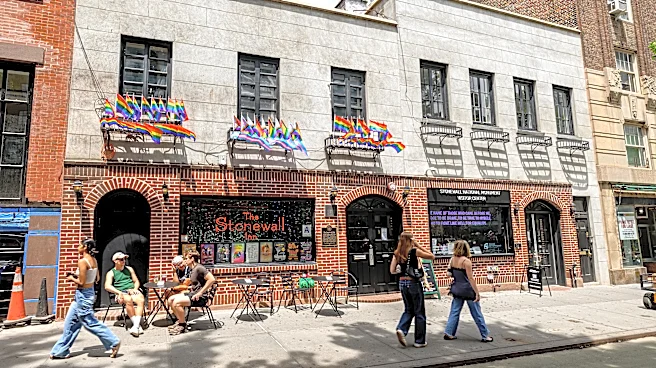
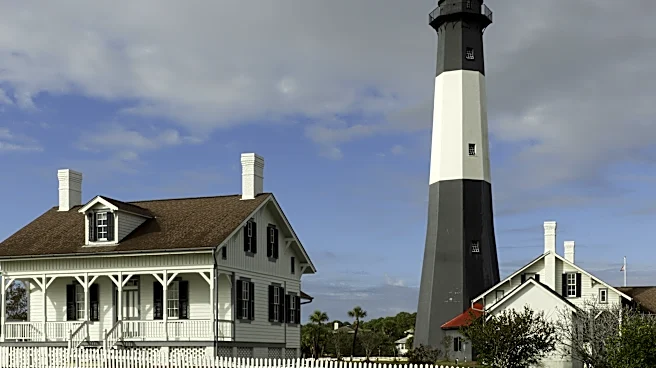
identity and culture. The debate over preservation versus development has deep roots in American history, dating back to the 1780s. Notable examples include the demolition of John Hancock's house in Boston and the preservation of Mount Vernon. Architects like Gordon Gill and Miles Smith emphasize the importance of adaptive reuse to maintain the nation's architectural legacy. They warn that the current construction economy, driven by a demand for new development, could threaten existing stakeholders and lead to the loss of cultural identity.
Why It's Important?
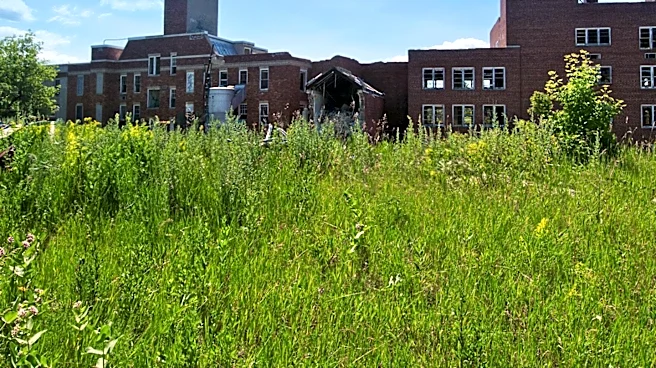
The ongoing debate over historic preservation versus new development has significant implications for cultural identity and economic interests in the U.S. Preserving historic structures is seen as a way to safeguard cultural heritage and maintain a continuous narrative of the nation's history. However, financial motivations often drive the preference for new construction, as it is perceived to be more economical than retrofitting older buildings. This mindset, rooted in the Industrial Revolution, continues to influence development decisions today. The loss of historic buildings could lead to a homogenized architectural landscape, erasing the diverse influences that have shaped American architecture. Advocates for preservation argue that adaptive reuse can offer a sustainable solution that balances economic and cultural interests.
What's Next?
The future of historic preservation in the U.S. may depend on a shift in mindset towards valuing adaptive reuse. Architects like Miles Smith suggest that embracing this approach could help preserve the nation's architectural diversity and cultural identity. However, changing the industry's focus from new development to preservation could face resistance from stakeholders who benefit from the current system. As the U.S. continues to develop, the challenge will be to find a balance between economic growth and the preservation of cultural heritage. The outcome of this debate could shape the architectural landscape of the country for generations to come.
Beyond the Headlines
The debate over historic preservation versus new development also touches on broader ethical and cultural issues. The loss of historic buildings can lead to a diminished sense of community and cultural identity, as these structures often serve as landmarks that connect people to their history. Additionally, the focus on new development raises questions about sustainability and environmental impact. Adaptive reuse of existing buildings can be a more environmentally friendly option, reducing the need for new materials and minimizing waste. As the U.S. grapples with these issues, the conversation around preservation versus development is likely to continue evolving.