






What's Happening?
Hamilton County, Indiana, has implemented advanced assistive technology and various options to ensure that residents with disabilities can vote independently and comfortably. Noblesville High School senior Matthias Vescelus, who is blind, successfully
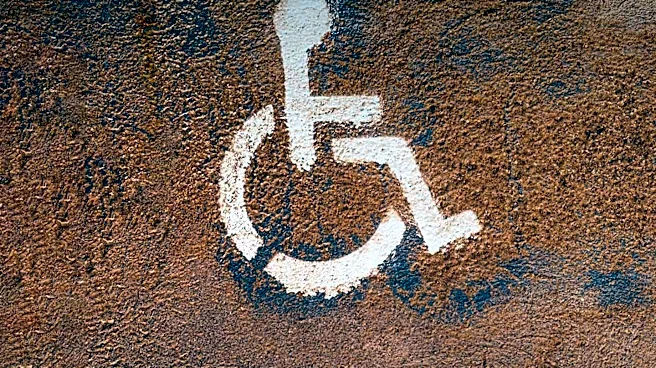
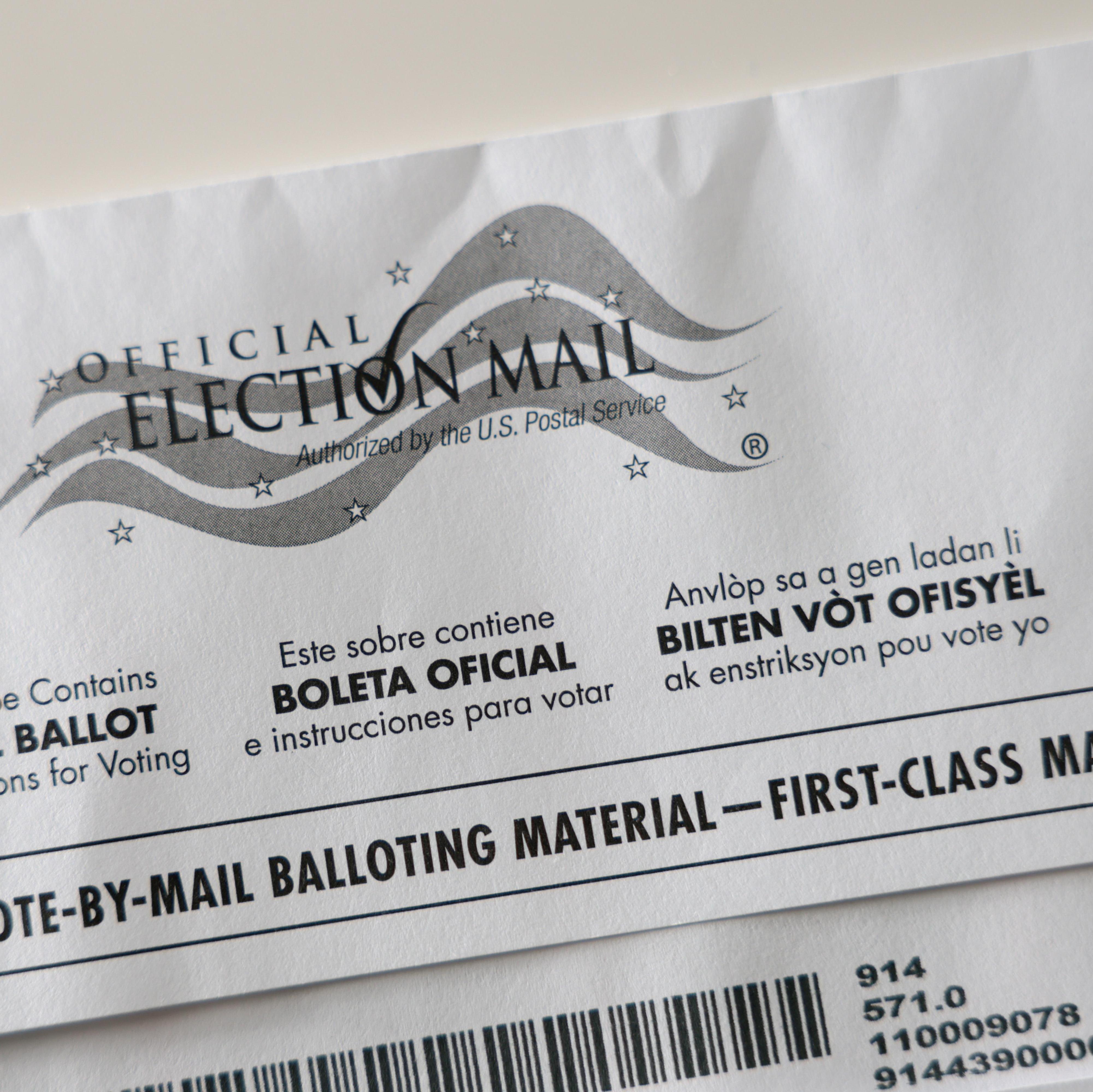
cast his first ballot using a device called DoubleTalk. This technology connects to voting machines and reads the ballot aloud through headphones, enabling visually impaired voters to navigate and make selections without assistance. Hamilton County Clerk Kathy Kreag Williams emphasized the goal of preventing disabilities from hindering participation in elections, noting that poll workers are trained to assist all voters. Beyond in-person voting, the county offers absentee ballot options, including mail-in ballots for those who can mark them personally, electronic ballots for print disabilities readable by assistive technology, and a Traveling Absentee Voter Board for those needing direct assistance at their location. All voting machines in Hamilton County are equipped with DoubleTalk hardware, a zoom feature for larger print, and adjustable panels for voters with mobility challenges.
Why It's Important?
This initiative by Hamilton County is crucial for upholding democratic principles by ensuring equitable access to the electoral process for all citizens, regardless of physical ability. By providing diverse and advanced accessibility tools, the county is setting a precedent for inclusive voting practices that can serve as a model for other jurisdictions across the U.S. The ability for individuals like Matthias Vescelus to vote independently fosters a sense of empowerment and civic engagement among the disability community, which has historically faced barriers to participation. This move also reinforces the legal and ethical commitment to universal suffrage, demonstrating that technological advancements can effectively bridge gaps in accessibility. The increased participation of voters with disabilities can lead to a more representative electorate and potentially influence policy decisions that better address the needs of this demographic.
What's Next?
Hamilton County will continue to promote awareness of its accessible voting options, encouraging residents with disabilities to utilize the available resources. The Elections Office remains a point of contact for any questions regarding accessible equipment, absentee voting, or assistance requests. Other counties and states may observe Hamilton County's success and consider adopting similar technologies and policies to enhance their own voting accessibility. The ongoing evaluation of these tools and voter feedback will likely inform future improvements and expansions of accessible voting services. As technology evolves, there may be further innovations in assistive voting devices, potentially leading to even more seamless and independent voting experiences for individuals with diverse needs.
Beyond the Headlines
The implementation of advanced voting accessibility in Hamilton County highlights a broader societal shift towards inclusivity and the recognition of diverse needs within civic processes. This effort goes beyond mere compliance with disability laws; it reflects a proactive commitment to fostering a truly participatory democracy. The use of technology like DoubleTalk not only removes physical barriers but also addresses the psychological barrier of needing assistance, which can sometimes deter individuals from voting. This initiative underscores the importance of continuous innovation in public services to meet the evolving demands of a diverse population. It also prompts a deeper conversation about how technology can be leveraged to ensure that fundamental rights, such as the right to vote, are genuinely accessible to everyone, thereby strengthening the fabric of democratic society.