



What's Happening?
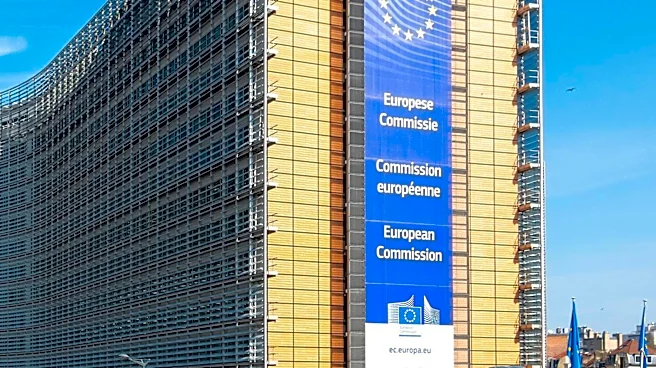
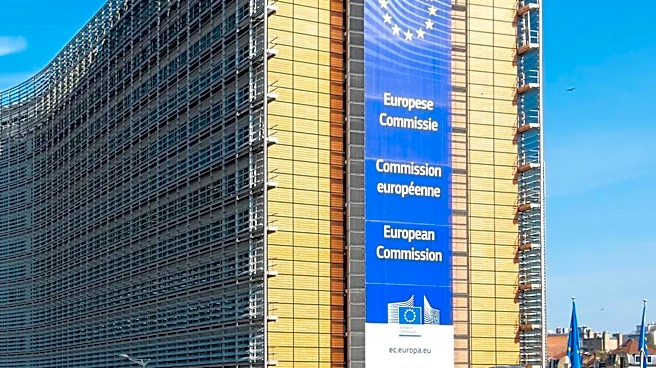
In 2025, the European Union and its 27 member states collectively contributed €32.3 billion in public climate finance and mobilized an additional €9.3 billion in private finance. These funds were directed towards supporting developing countries in their
efforts to reduce greenhouse gas emissions and adapt to the impacts of climate change. The figures, released by the EU Council on October 29, 2026, are in preparation for the upcoming United Nations climate change conference (COP31 & CMA8) scheduled for November 9-20 in Antalya, Türkiye. According to data compiled by the European Commission, 48% of the public climate funding for developing countries was allocated to climate adaptation or cross-cutting initiatives that combine both mitigation and adaptation efforts. Grant-based finance constituted a significant portion, representing 41% of the EU and member states' public contribution.
Why It's Important?
This substantial financial commitment from the EU and its member states underscores their resolve to meet international climate finance obligations, particularly the collective goal of developed countries to mobilize $100 billion annually. The continued support for developing nations is crucial for global climate action, as these countries often bear the brunt of climate change impacts despite contributing less to historical emissions. By providing financial and technical assistance, the EU aims to foster a more equitable and effective global response to climate change. The mobilization of private finance, alongside public funds, highlights a strategic approach to amplify the impact of climate investments and demonstrates a commitment to the forward-looking approach embedded in the new collective quantified goal adopted by parties to the Paris Agreement in 2024.
What's Next?
The release of these figures precedes COP31 & CMA8, where the EU's contributions will likely be a key talking point, showcasing their commitment to the Paris Agreement. The EU is expected to continue its efforts to expand the range and impact of financial instruments and to effectively mobilize private finance to support international climate action. This ongoing commitment will be vital as developing countries strive to implement the 2015 Paris climate change agreement. Future discussions at international climate conferences will likely focus on how to further scale up these financial flows and ensure their effective deployment to achieve global climate targets.
Beyond the Headlines
The EU's significant climate finance contributions reflect a broader understanding of interconnected global challenges. Beyond the immediate financial impact, these investments foster international cooperation and solidarity, which are essential for addressing a crisis as pervasive as climate change. The emphasis on both public and private finance mobilization also signals a shift towards more innovative and diversified funding mechanisms, recognizing that government funds alone may not be sufficient to meet the vast financial needs of climate action. This approach could set a precedent for other developed nations, encouraging a more comprehensive and collaborative global strategy for climate resilience and emissions reduction.