
What's Happening?
Ambassador Jamieson Greer testified before the Senate Finance Committee, highlighting the benefits of President Trump's trade program for American farmers, workers, and businesses. The program, which includes
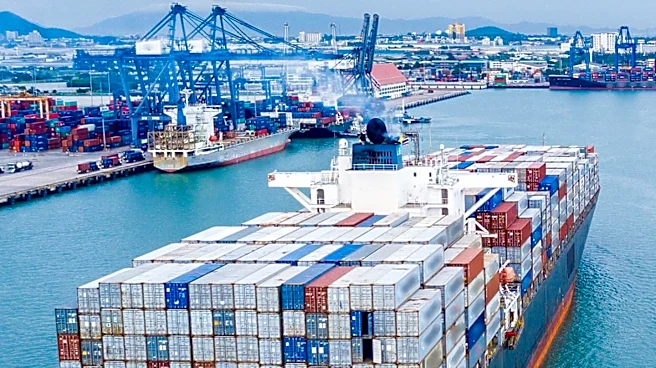
tariffs and trade deals, has reportedly expanded market access for U.S. agricultural exports, unlocking markets for over 2 billion consumers. The U.S.-Jordan Agreement on Reciprocal Trade is one example of these efforts. The administration claims that these policies have led to increased manufacturing jobs and declining inflation, although some senators have raised concerns about the impact of tariffs on the economy.
Why It's Important?
The trade program is a key component of President Trump's economic strategy, aiming to boost domestic production and expand international market access. For the agricultural sector, these policies could lead to increased exports and higher revenues. However, the use of tariffs has been controversial, with critics arguing that they can lead to higher consumer prices and trade tensions. The program's success or failure will have significant implications for U.S. economic policy and international trade relations.
What's Next?
The administration will continue to negotiate trade deals and monitor the impact of tariffs on the economy. Ongoing discussions in Congress and among industry stakeholders will shape the future of U.S. trade policy. The outcomes of these efforts will be closely watched by farmers, manufacturers, and businesses that stand to benefit or be affected by changes in trade dynamics.