






What's Happening?
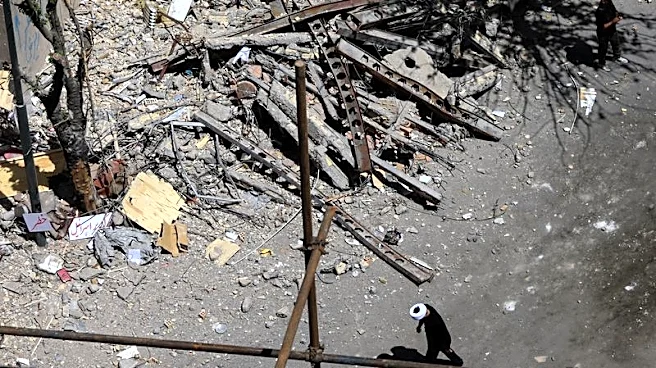
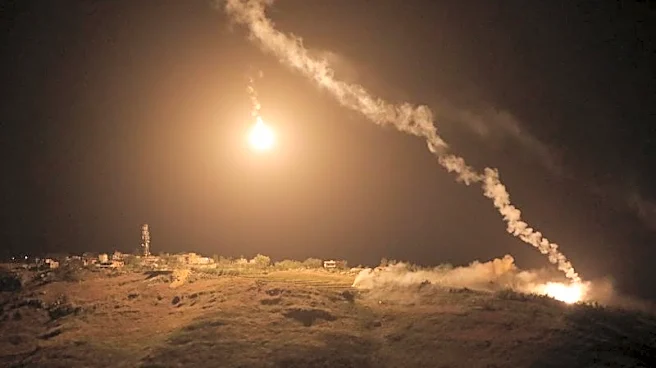
Israel and Lebanon have agreed to extend their ceasefire for 45 days following talks in Washington, as announced by the U.S. State Department. Despite the extension, hostilities continue, with Israeli strikes on Hezbollah sites in southern Lebanon and Hezbollah's
drone attacks on Israeli positions. The Lebanese health ministry reported casualties and injuries from these strikes. The ceasefire aims to foster peace and security along the Israel-Lebanon border, but the situation remains volatile with ongoing military actions.
Why It's Important?
The ceasefire extension is a critical step towards reducing tensions in a region fraught with conflict. The U.S. plays a pivotal role in mediating these talks, reflecting its strategic interest in Middle Eastern stability. The ongoing violence despite the ceasefire highlights the complexities of achieving peace in the region. The conflict affects regional security and has implications for international relations, particularly for countries involved in the mediation process.
What's Next?
Further negotiations are planned for early June, with the potential to influence the future of the ceasefire and broader peace efforts. The international community will be monitoring the situation closely, as the outcome could impact regional stability and diplomatic relations. The success of these talks will depend on the willingness of both parties to adhere to the ceasefire and address underlying issues.