

What's Happening?
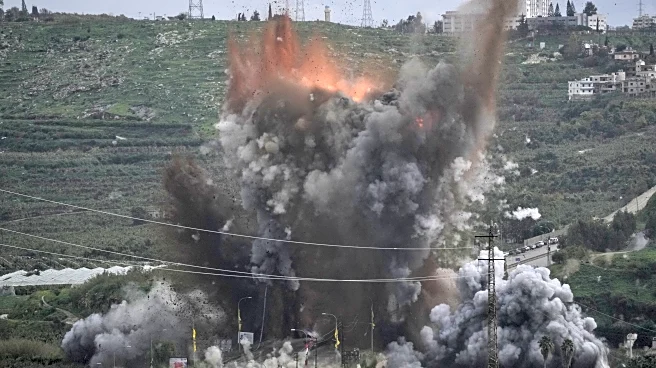
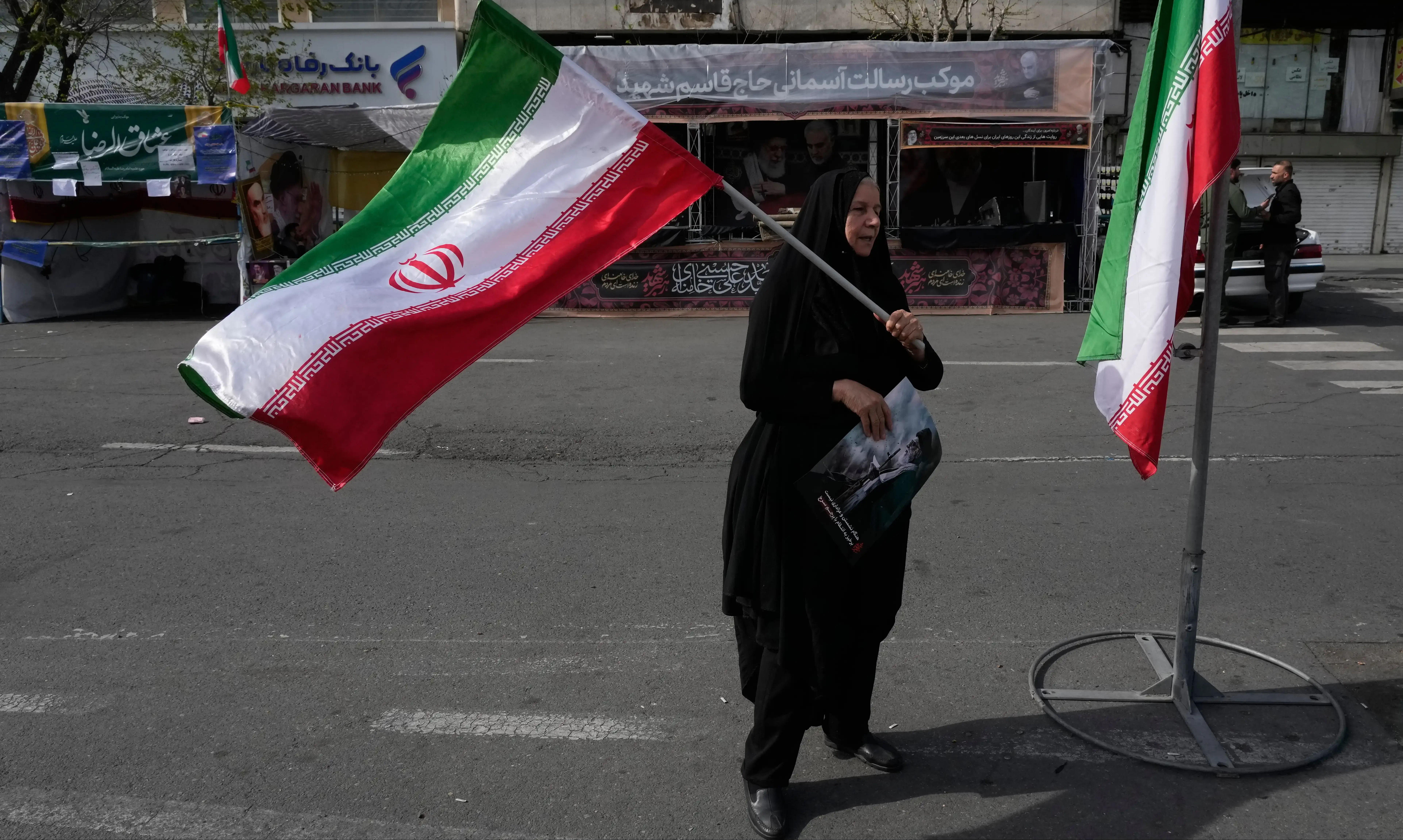
The conflict involving Iran has led to the blockade of the Strait of Hormuz, severely restricting global energy supplies. This has prompted the Philippines to declare a national energy emergency as fuel shortages intensify across Asia. The blockade has cut
off a significant portion of the world's crude oil and natural gas supply, leading to soaring energy prices. Asian countries, heavily reliant on Middle Eastern imports, are implementing austerity measures to conserve energy. The situation has caused airlines to suspend flights and raised concerns about the impact on manufacturing industries, potentially leading to shortages of goods like electronics and textiles.
Why It's Important?
The energy crisis in Asia highlights the global ramifications of geopolitical conflicts, particularly in regions dependent on Middle Eastern energy supplies. The rising fuel prices and energy shortages could lead to economic slowdowns, affecting industries and consumers worldwide. The situation underscores the vulnerability of global supply chains and the need for diversified energy sources. As countries scramble to secure alternative supplies, the crisis could lead to increased competition and further price hikes. The potential for a global recession looms if energy prices continue to rise, affecting economic stability and growth.
What's Next?
The resolution of the conflict and the reopening of the Strait of Hormuz are critical to alleviating the energy crisis. In the meantime, countries may need to implement further austerity measures and seek alternative energy sources. The situation may prompt a reevaluation of energy policies and the development of more sustainable and resilient energy infrastructures. Governments may also need to provide financial support to mitigate the impact on consumers and industries. The crisis serves as a wake-up call for the global community to address energy security and reduce dependency on volatile regions.