



What's Happening?
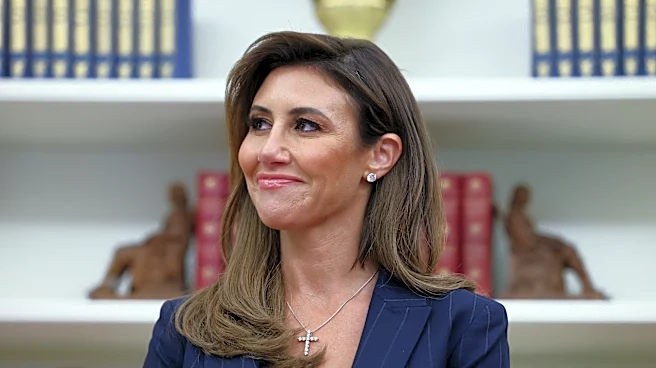
Natalie Harp, a discreet advisor to President Trump, has garnered significant media attention for her unwavering dedication and close proximity to the President. Described as "omnipresent" by The New York Times, Harp is noted for her constant presence
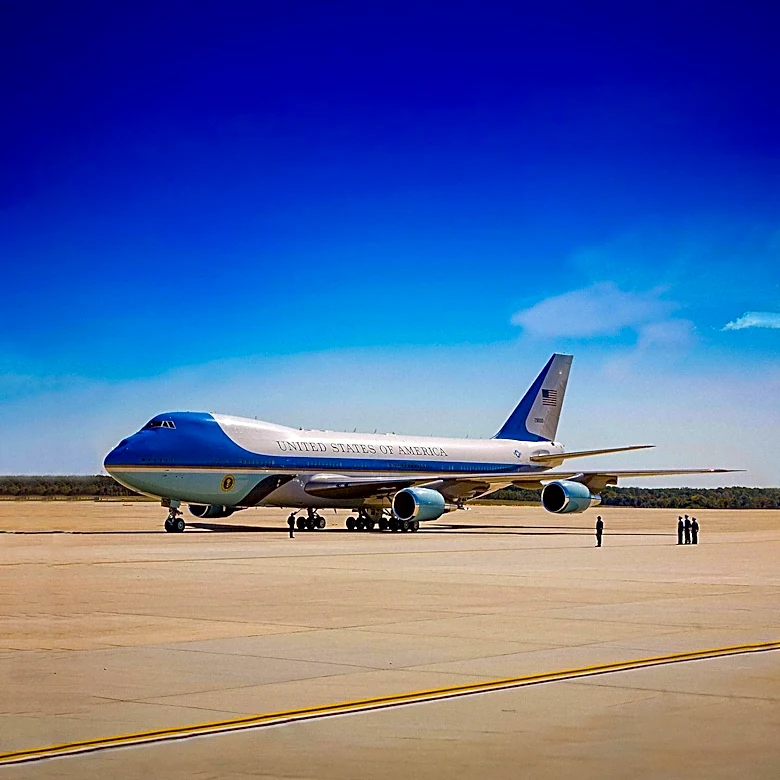
alongside President Trump, whether on golf courses or during international trips. Her responsibilities include dictating posts for President Trump's Truth Social account, drafting text messages to heads of state on his behalf, and ensuring he has access to press clippings, earning her the nickname "human printer." Her profile rose particularly after a secret flight from Ankara in July, where she and other advisors were prioritized over high-ranking government officials, including Secretary of State Marco Rubio and Secretary of the Treasury Scott Bessent, due to concerns about a potential Iranian attack.
Why It's Important?
The increased media focus on Natalie Harp highlights the significant influence of close, often less visible, advisors within the White House. Her role in managing President Trump's communications, particularly on platforms like Truth Social, underscores the evolving nature of political messaging and the direct channels leaders use to engage with the public. This dynamic can bypass traditional media filters and established communication protocols, potentially shaping public discourse and policy in real-time. For U.S. politics, the prominence of such an advisor suggests a highly centralized decision-making process and a reliance on a trusted inner circle, which can have implications for transparency, accountability, and the broader functioning of government. The incident of the secret flight also raises questions about the hierarchy of influence and access within the administration during critical national security situations.
What's Next?
As President Trump's political activities continue, Natalie Harp's role is likely to remain central, especially in managing his public image and direct communications. Media scrutiny of her influence and responsibilities will probably intensify, with journalists seeking to understand the extent of her impact on policy and strategy. Her continued presence could also set a precedent for future administrations, where personal loyalty and direct access become increasingly valued over traditional bureaucratic structures. The focus on her could also lead to broader discussions about the role of unelected advisors in high-level government functions and the potential for such roles to evolve in future political landscapes.
Beyond the Headlines
Natalie Harp's story delves into the deeper cultural and ethical dimensions of political loyalty and influence. Her dedication, to the point of being dubbed a "human printer," illustrates a unique form of political service that prioritizes the leader's immediate needs and communication style. This phenomenon raises questions about the professional boundaries of advisory roles and the potential for personal devotion to overshadow institutional norms. It also reflects a broader trend in modern politics where direct, unfiltered communication, often through social media, has become a powerful tool, and those who facilitate it gain significant leverage. The narrative around Harp also touches on the psychological aspects of leadership, where trust and personal connection can be paramount, especially for figures who operate outside conventional political structures.