
What's Happening?
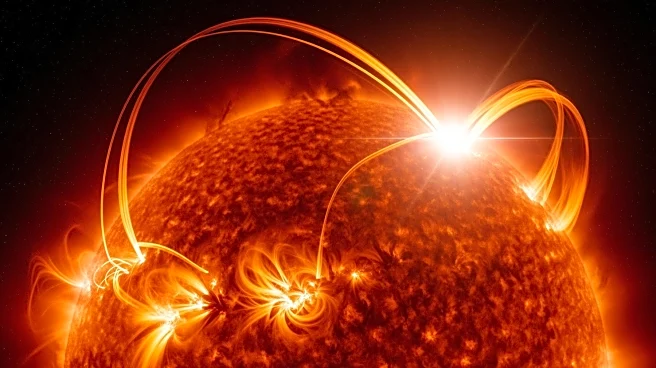
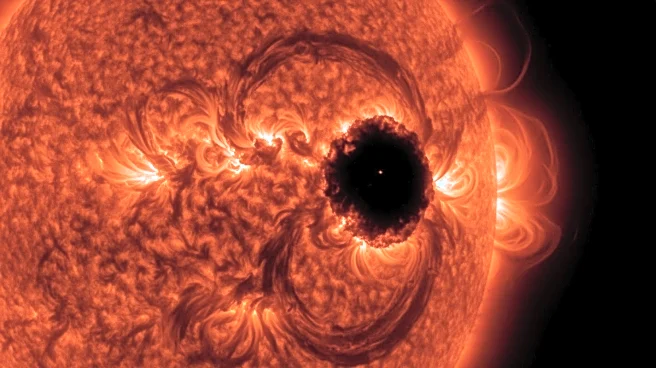
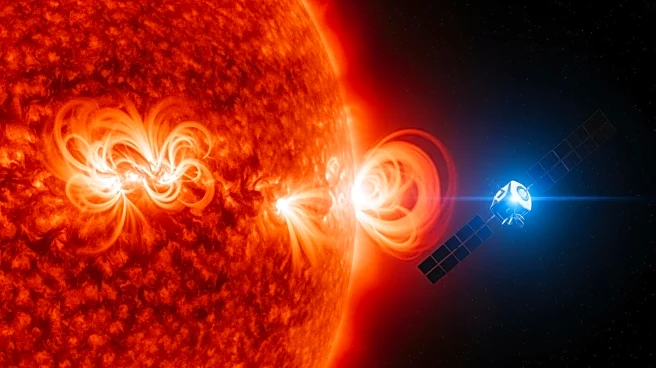
On January 19, 2026, Earth was hit by an S4-level radiation storm, the most powerful since the 'Halloween storms' of October 2003. This event was reported by Space.com, based on data from the NOAA Space Weather
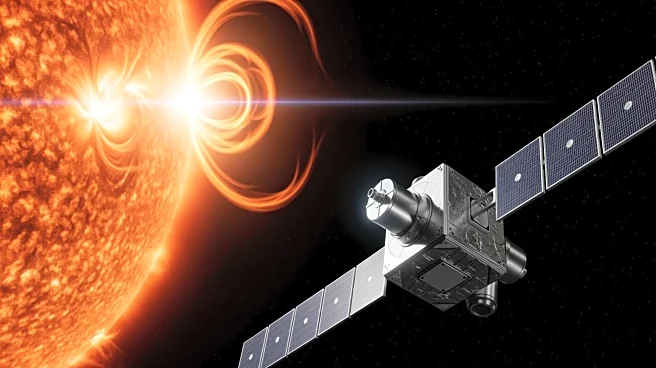
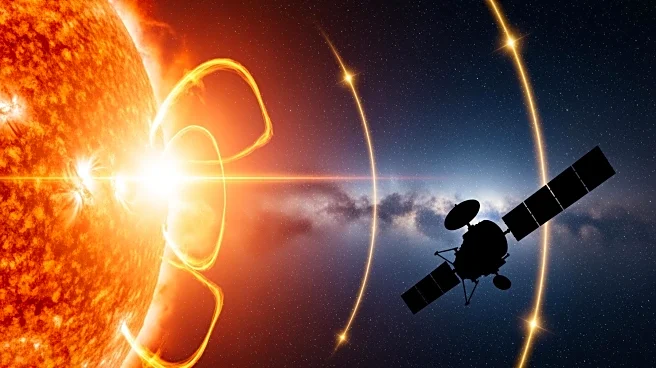
Prediction Center. Radiation storms occur when solar eruptions accelerate charged particles, mainly protons, to high speeds, which then travel to Earth. The current storm reached a 'severe' level on the NOAA scale, which ranges from S1 to S5. While the storm poses no threat to people on the ground due to Earth's protective atmosphere and magnetic field, it significantly impacts space-based technology. Astronauts and airline crews flying over polar regions are exposed to increased radiation doses. Satellites face disruptions, with potential malfunctions in electronics and overloaded sensors, leading to temporary losses of telemetry.
Why It's Important?
The significance of this radiation storm lies in its potential to disrupt critical satellite operations and pose health risks to astronauts and airline crews. Satellites are essential for communication, navigation, and weather forecasting, and any disruption can have widespread implications for these services. The increased radiation exposure for astronauts and polar flight crews highlights the need for enhanced protective measures in space travel and aviation. This event underscores the importance of monitoring space weather, as solar activity can have profound effects on technology and human activities reliant on satellite infrastructure.
What's Next?
Future steps involve closely monitoring solar activity to predict and mitigate the impacts of such storms. Agencies like NOAA will continue to provide forecasts and warnings to help protect satellites and ensure the safety of astronauts and airline crews. The event may prompt further research into improving satellite resilience and developing better radiation shielding for space missions. Additionally, airlines might adjust flight paths to minimize radiation exposure during similar events.
Beyond the Headlines
This radiation storm highlights the broader implications of increased solar activity in the current solar cycle. It raises questions about the long-term sustainability of satellite technology and the need for international collaboration in space weather monitoring. The event also emphasizes the importance of investing in research and technology to safeguard against the growing challenges posed by space weather phenomena.