







What's Happening?
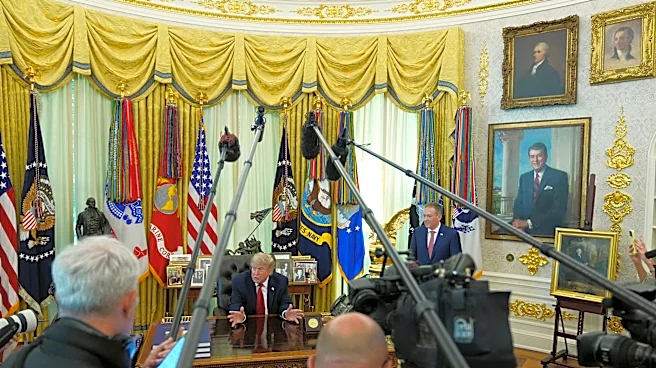
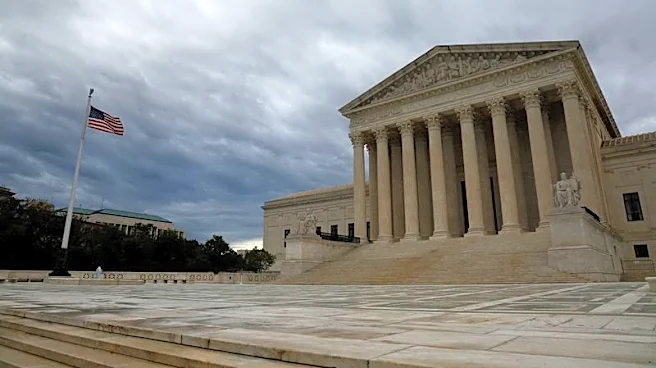
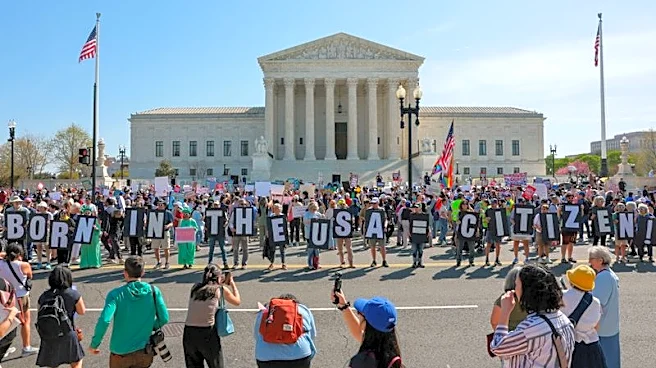
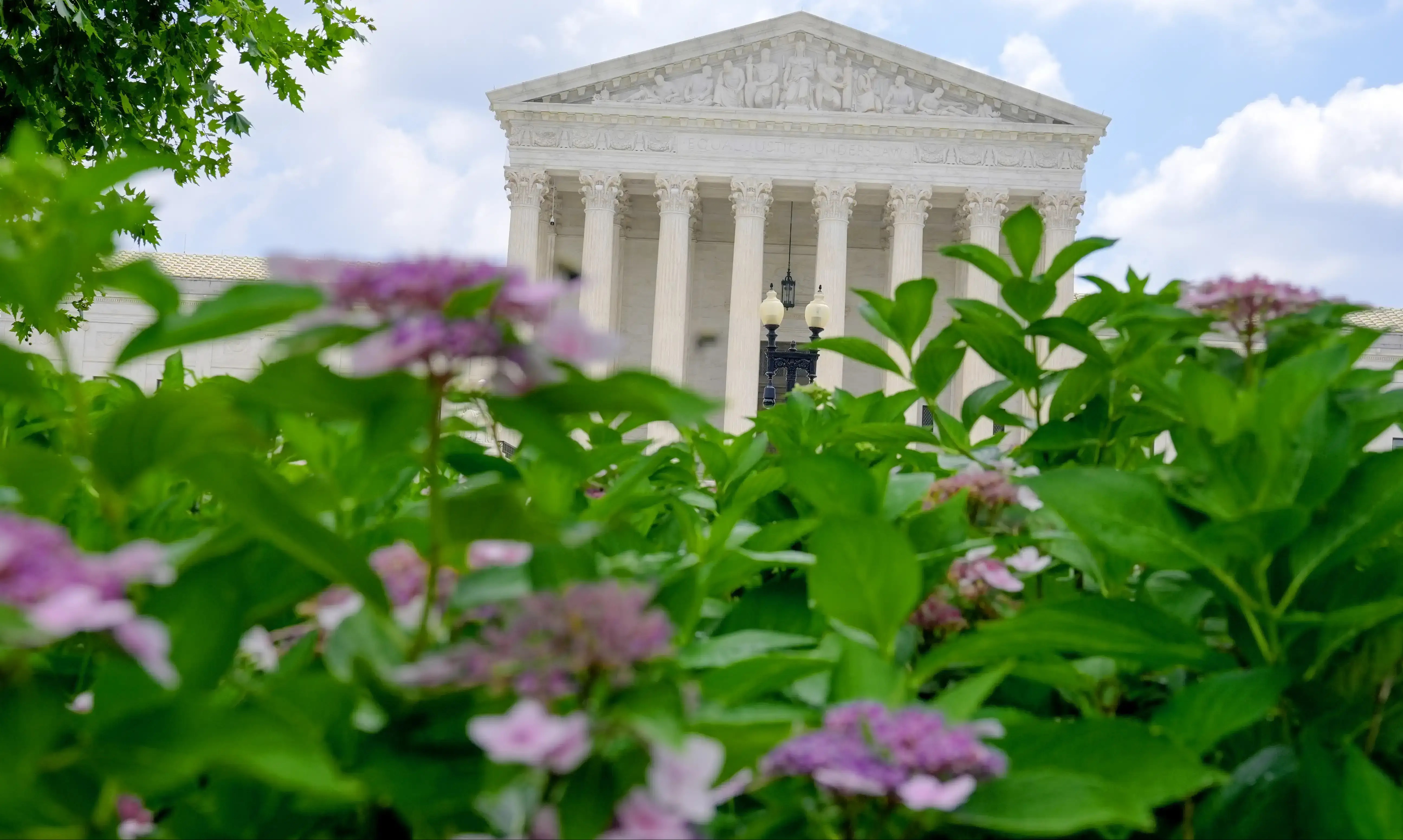
The Supreme Court is concluding its term with several significant cases concerning President Trump's claims of presidential power. Among the cases are efforts to restrict birthright citizenship, the ability to fire heads of independent agencies, and the removal
of a Federal Reserve governor. The court is also considering cases related to transgender athletes' participation in sports and election laws regarding mailed ballots and political party spending. The conservative majority has shown support for some of Trump's policies, such as immigration crackdowns, but has also rejected certain executive powers, like imposing tariffs unilaterally. The outcomes of these cases could redefine the scope of presidential authority and impact various aspects of U.S. governance.
Why It's Important?
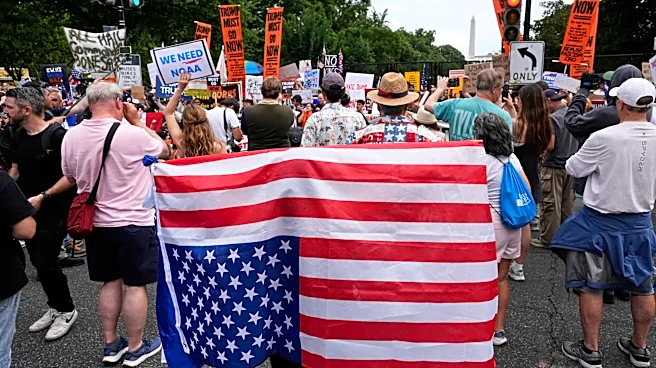
The decisions in these cases will have far-reaching implications for the balance of power between the presidency and other branches of government. A ruling in favor of expanding presidential powers could alter the dynamics of federal governance, potentially increasing executive influence over independent agencies and immigration policies. Conversely, limitations on these powers could reinforce checks and balances, preserving the independence of federal institutions. The cases also touch on contentious social issues, such as transgender rights and election integrity, which could influence public policy and societal norms.
What's Next?
The Supreme Court's decisions are expected by the end of the term, with potential impacts on future presidential actions and legislative priorities. Political leaders, advocacy groups, and legal experts will likely respond to the rulings, shaping public discourse and policy debates. The outcomes could also affect the political landscape ahead of upcoming elections, influencing voter sentiment and party strategies. As the court reconvenes in October, these decisions will set the stage for future legal and political challenges.