





What's Happening?
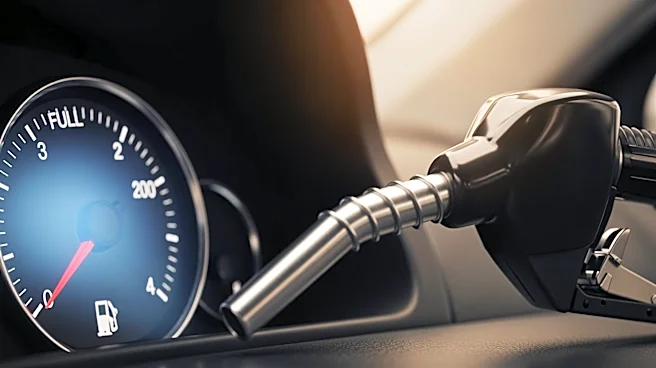
Consumer Reports has released insights on how smarter driving habits and the choice of hybrid or electric vehicles can lead to significant savings on fuel costs. With gas prices remaining high, the report suggests that consumers should carefully consider
their vehicle choices based on their daily needs rather than opting for larger, less fuel-efficient models. The report emphasizes that hybrid vehicles, available in various shapes and sizes, not only save on fuel but also offer an enjoyable driving experience. Although hybrids may have a higher initial cost, they often recoup this difference within a year or two. Additionally, the report notes that used electric vehicles (EVs) are currently a good value, provided they fit the buyer's lifestyle. Despite the increase in electricity prices, EVs remain a cost-effective alternative to traditional gasoline vehicles.
Why It's Important?
The insights from Consumer Reports are significant as they address the ongoing challenge of high fuel costs impacting American consumers. By highlighting the benefits of hybrid and electric vehicles, the report encourages a shift towards more sustainable and economical transportation options. This shift not only helps consumers save money but also supports environmental goals by reducing reliance on fossil fuels. The growing interest in hybrids and EVs reflects a broader trend towards sustainable living and could influence automotive industry strategies, prompting manufacturers to expand their offerings in these categories. As more consumers adopt these vehicles, there could be a substantial reduction in carbon emissions, contributing to national and global environmental targets.
What's Next?
As consumers become more aware of the financial and environmental benefits of hybrid and electric vehicles, it is likely that demand for these vehicles will continue to rise. This could lead to increased competition among automakers to innovate and improve the efficiency and affordability of their hybrid and EV models. Additionally, policymakers may respond by implementing incentives or subsidies to further encourage the adoption of these vehicles. Infrastructure developments, such as expanding charging networks, will be crucial to support the growing number of EVs on the road. The automotive industry may also see a shift in consumer preferences, with more emphasis on sustainability and cost-effectiveness in vehicle design and marketing strategies.