





What's Happening?
A 74-year-old man died in Rembau, Malaysia, after his Perodua Myvi was swept away by floodwaters near Sungai Kampung Kundur Hulu. The incident occurred last night, and the Rembau Fire and Rescue Station (BBP) received an emergency call from the victim's
son at 9:20 PM. The rescue team, aided by the Water Rescue Team (PPDA) from Teluk Kemang BBP, extricated the victim from his car approximately half an hour later. The retired civil servant was confirmed dead by Ministry of Health medical officers, and his remains were transported to Rembau Hospital. In a separate incident, a 38-year-old Indonesian man was rescued after being trapped among trees during a flash flood at Jalan Pedas-Linggi, Kampung Kundur Tengah, Pedas. Rescuers utilized a human-chain technique to bring the victim to the riverbank at 8:40 PM. The rescue operation for the Indonesian man involved 13 personnel and concluded at 10 PM.
Why It's Important?
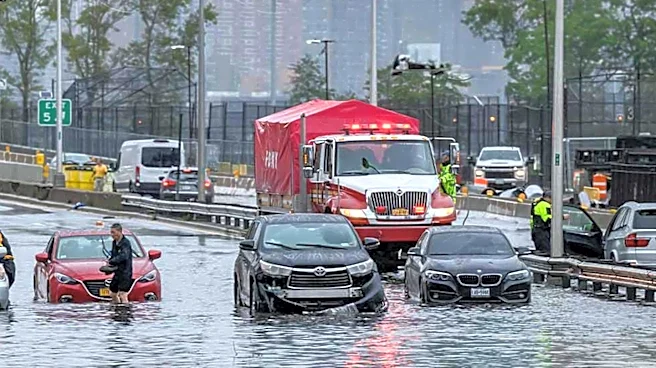
While this specific incident occurred in Malaysia, flash floods are a significant concern globally, including in the United States. The rapid onset and destructive power of flash floods pose substantial risks to human life and infrastructure. This event highlights the critical need for effective emergency response systems and public awareness regarding flood safety. In the U.S., regions prone to heavy rainfall and mountainous terrain frequently experience flash floods, leading to fatalities, property damage, and economic disruption. The incident underscores the importance of timely warnings, efficient rescue operations, and community preparedness to mitigate the impact of such natural disasters. It also serves as a reminder of the dangers associated with driving through floodwaters, a common cause of flood-related deaths.
What's Next?
Authorities in Rembau will likely conduct further investigations into the circumstances surrounding the 74-year-old man's death to identify any contributing factors and assess flood mitigation measures in the area. For the broader U.S. context, this event reinforces the ongoing efforts by agencies like the National Weather Service and FEMA to improve flood forecasting, warning systems, and public education campaigns. Communities in flood-prone areas are expected to continue developing and refining their emergency response plans, including evacuation procedures and rescue protocols. There may also be renewed discussions on infrastructure improvements, such as better drainage systems and flood barriers, to enhance resilience against future flash flood events.
Beyond the Headlines
The tragic loss of life in Rembau underscores the profound human cost of natural disasters and the vulnerability of individuals to sudden environmental changes. Beyond the immediate rescue efforts, such incidents often trigger broader conversations about climate change, urban planning, and the adequacy of existing infrastructure to cope with increasingly extreme weather patterns. Ethically, it raises questions about individual responsibility in heeding flood warnings and the collective responsibility of governments to protect their citizens through robust disaster preparedness and response. Culturally, these events can foster community solidarity in the face of adversity but also expose societal inequalities in access to resources and protection during emergencies.