








What's Happening?
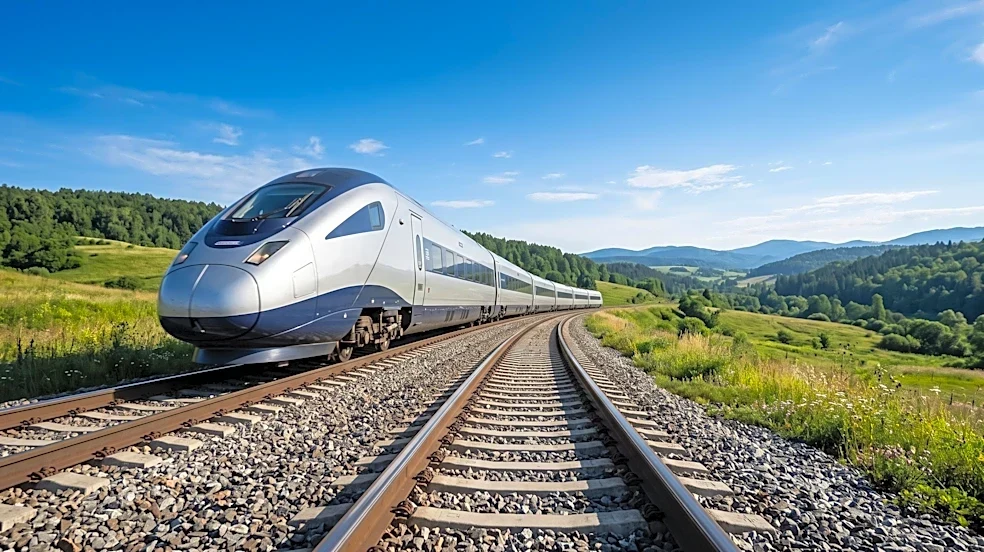
Amtrak's Acela route, connecting major cities like Boston, New York, and Washington D.C., is experiencing significant success, largely due to Amtrak's ownership of most tracks in this 'northeast corridor.' This ownership grants passenger trains priority
over freight trains, a crucial factor in maintaining service efficiency. This success stands in contrast to the overall U.S. passenger rail network, which has drastically shrunk since the mid-1950s. According to Northwestern University Prof. Ian Savage, a transportation economist, the decline in intercity rail can be attributed to the rise of the U.S. interstate highway system and the expansion of commercial aviation. These developments led to fewer passengers, reduced funding for infrastructure, and a subsequent decrease in service and routes. Despite the challenges, train travel enthusiasts highlight the nostalgic appeal, the opportunity to 'penetrate more of America,' and the 'romance of the rails' as enduring attractions.
Why It's Important?
The contrasting fortunes of Amtrak's Northeast Corridor and the broader U.S. passenger rail network highlight critical infrastructure and transportation policy issues. The success of the Acela route demonstrates the viability of passenger rail when dedicated infrastructure and operational priority are in place. This model could inform future investments and policy decisions aimed at revitalizing rail travel in other densely populated corridors. Conversely, the shrinking national network underscores the long-term consequences of prioritizing other modes of transportation, leading to reduced connectivity and limited options for travelers. The continued decline of passenger rail outside of specific corridors could further exacerbate regional disparities in transportation access and economic development, as efficient transport links are vital for business and tourism.
What's Next?
The future of U.S. passenger rail may see the expansion of high-speed rail in specific intercity routes, particularly in areas with flat and straight landscapes. Prof. Ian Savage suggests potential high-speed rail developments in regions like the Dallas-Houston-San Antonio triangle and an extension of the Acela line from Washington D.C. to Richmond, Virginia, and possibly Atlanta. However, geographical challenges, such as mountainous terrain or large bodies of water, and the high costs associated with overcoming them, could hinder these expansions. The ongoing debate about infrastructure investment and the balance between passenger and freight rail priorities will likely shape the pace and scope of these developments. Stakeholders, including government agencies, rail operators, and local communities, will need to collaborate to address these challenges and capitalize on opportunities for rail network growth.
Beyond the Headlines
The enduring appeal of train travel, despite its operational challenges, points to deeper cultural and societal values. For many, it offers a unique perspective on the country, allowing travelers to observe diverse landscapes and communities in a way that air or car travel does not. The 'romance of the rails' and the opportunity for social interaction among passengers contribute to a distinct travel experience that transcends mere transportation. However, the frequent delays and service inconsistencies outside of the Northeast Corridor raise questions about equity in transportation access and the quality of public services. The willingness of passengers to tolerate delays, as noted by Dianne Fox, suggests a unique patience associated with train travel, perhaps stemming from its nostalgic charm. This cultural acceptance, however, should not overshadow the need for improved reliability and infrastructure investment across the national network.