






What's Happening?
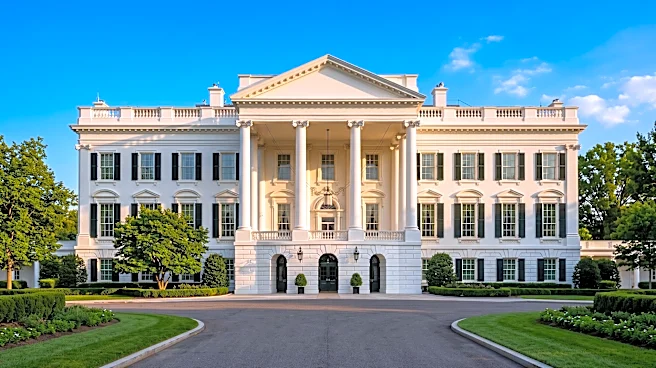
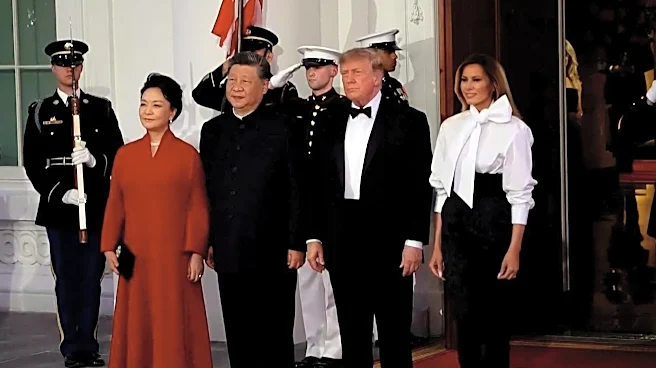
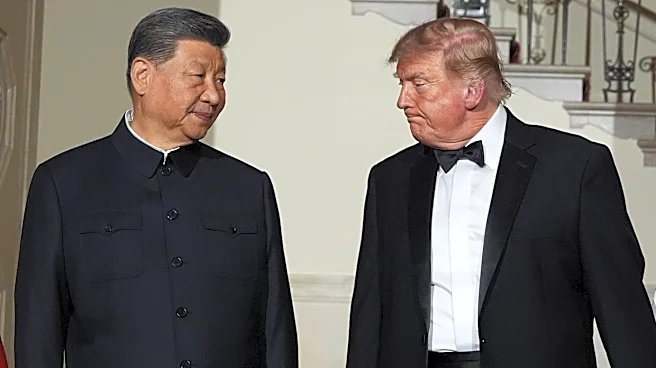
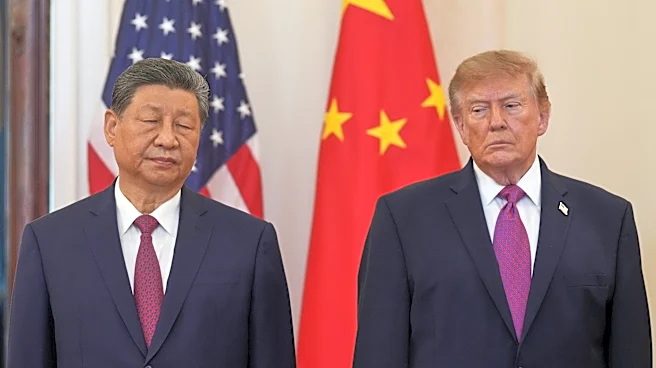
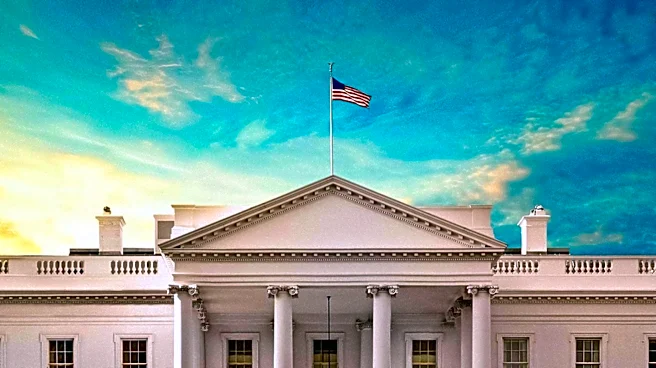
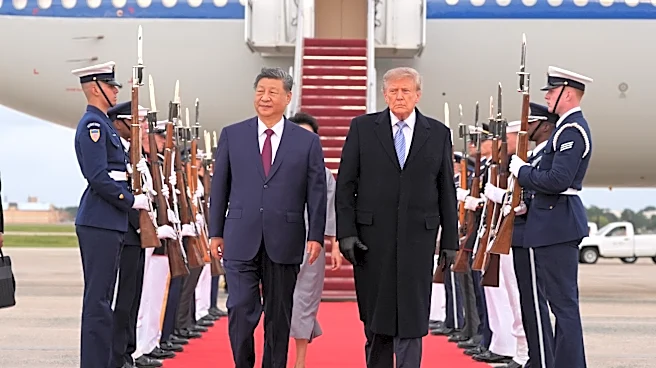
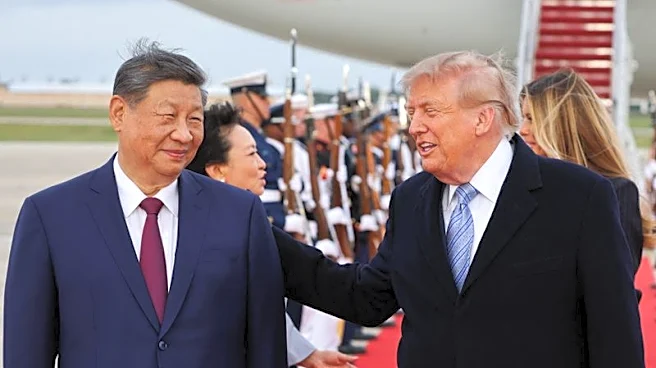
President Trump hosted Chinese President Xi Jinping and Madame Peng Liyuan for a reciprocal State Visit, aiming to advance the U.S.-China relationship and prioritize American interests. The visit included a tea meeting at the White House on September
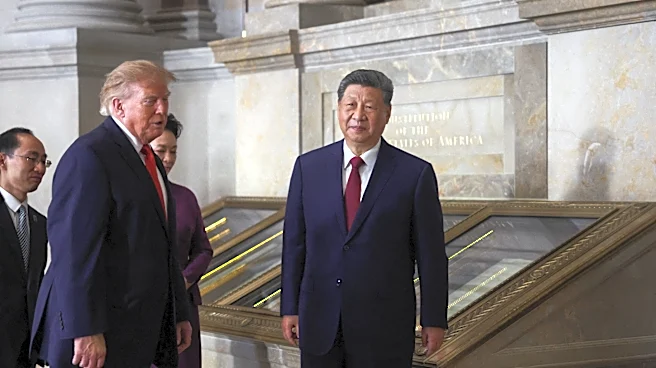
25, 2026, where President Trump and President Xi agreed to build a 'constructive relationship of strategic stability on the basis of respect, fairness and reciprocity.' They engaged in in-depth discussions on U.S.-China relations and major international and regional issues, resulting in numerous positive outcomes beneficial to both nations. President Xi noted this was his first state visit to Washington, D.C. in 11 years and highlighted the mutual benefits of economic and trade deliverables secured during the visit. Both leaders expressed a commitment to fostering peace and prosperity globally, enhancing confidence for businesses and consumers. Following the tea, President Xi and Madame Peng Liyuan, accompanied by President and Mrs. Trump, visited the National Archives, where they learned about its historical significance and major exhibits. President Xi emphasized the importance of understanding and respecting differences between the two countries to achieve steady and long-term development in their relationship.
Why It's Important?
This State Visit between President Trump and Chinese President Xi Jinping is critically important for global stability and economic relations. The agreement to build a 'constructive relationship of strategic stability' signals an effort to manage the complex and often competitive dynamics between the two superpowers. Such high-level diplomatic engagements are essential for addressing pressing international issues, including trade imbalances, geopolitical tensions, and global economic stability. The focus on 'respect, fairness, and reciprocity' suggests a framework for future interactions that could lead to more balanced trade agreements and reduced friction in areas of contention. For U.S. industries and businesses, a stable and predictable relationship with China is vital, as China is a major market and manufacturing hub. Enhanced confidence for businesses and consumers globally, as mentioned by the leaders, could translate into increased investment, trade, and economic growth. Conversely, any breakdown in this relationship could have far-reaching negative consequences for global supply chains, financial markets, and international cooperation on issues like climate change and security. The visit underscores the indispensable role of U.S.-China relations in shaping the 21st-century world order.
What's Next?
Following the State Visit, both the U.S. and China are expected to continue working towards the 'constructive relationship of strategic stability' outlined by President Trump and President Xi. This will likely involve ongoing diplomatic dialogues and negotiations on various fronts, including trade, technology, and regional security. The 'economic and trade deliverables' secured during the visit will need to be implemented and monitored, potentially leading to new agreements or adjustments in existing policies. Both nations will likely focus on identifying areas of common interest for cooperation while also managing their differences through established channels. The commitment to fostering global peace and prosperity suggests that the two countries may collaborate on international initiatives, although specific details remain to be seen. Future interactions between President Trump and President Xi, whether in person or through other diplomatic means, will be crucial in steering the development of this relationship and addressing any emerging challenges. The visit sets a precedent for how the two global powers intend to engage with each other in the coming years.
Beyond the Headlines
Beyond the immediate diplomatic and economic outcomes, the State Visit between President Trump and President Xi Jinping carries deeper implications for the global political landscape and the future of international relations. The emphasis on 'respect, fairness, and reciprocity' reflects a recognition of the need for a more balanced power dynamic, moving away from a purely hierarchical model. This could influence how other nations engage with both the U.S. and China, potentially leading to a more multipolar world order. The visit also highlights the cultural and historical differences between the two nations, as acknowledged by President Xi during the National Archives visit. Understanding and navigating these differences will be crucial for long-term stability. The concept of 'strategic stability' suggests an effort to prevent competition from escalating into conflict, particularly in sensitive areas like the South China Sea or Taiwan. The long-term success of this relationship will depend on the ability of both countries to manage their strategic competition while finding common ground on global challenges, ultimately shaping the trajectory of international cooperation and conflict for decades to come.