


What's Happening?
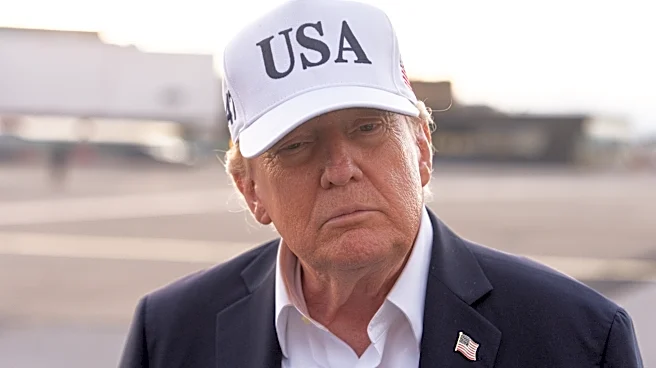
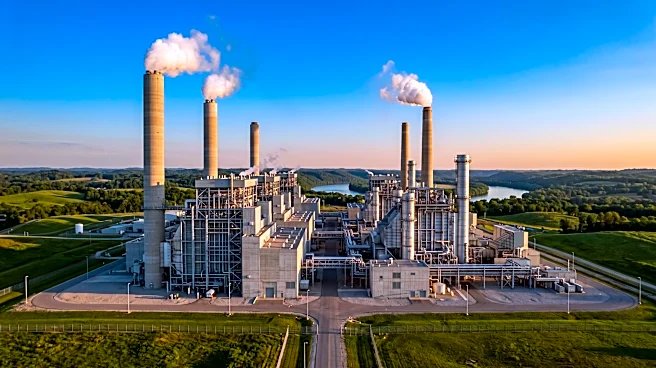
U.S. Congressman Andy Barr (R-KY-06) has commended President Trump and EPA Administrator Lee Zeldin for their decision to repeal greenhouse gas regulations on coal- and natural gas-fired power plants. This action, described by the EPA as the largest power-sector
deregulatory move in U.S. history, aims to roll back what Barr refers to as the 'war on coal' initiated by previous administrations. The EPA estimates this repeal will save Americans approximately $310 billion, with an additional $370 million in direct compliance cost savings for companies from eliminating remaining greenhouse gas-related power plant regulations. Barr stated that this decision will help lower energy costs for Kentuckians and bring back coal jobs to the state. The Kentucky Coal Association and other industry groups have also praised the move, emphasizing its potential to protect critical power infrastructure and ensure affordable, reliable power.
Why It's Important?
This regulatory rollback carries significant implications for the U.S. energy sector, particularly for coal-producing states like Kentucky. Proponents argue that the repeal will reduce energy costs for consumers and businesses by removing what they consider burdensome regulations, thereby stimulating economic growth and job creation in the coal industry. The move is also seen as a step towards achieving American energy independence by unleashing domestic energy resources. However, critics contend that such actions are shortsighted and will exacerbate the impacts of climate change, which has already led to severe weather events in Kentucky, such as historic flooding and warming summers. The debate highlights a fundamental tension between economic development driven by traditional energy sources and environmental protection efforts aimed at mitigating climate change.
What's Next?
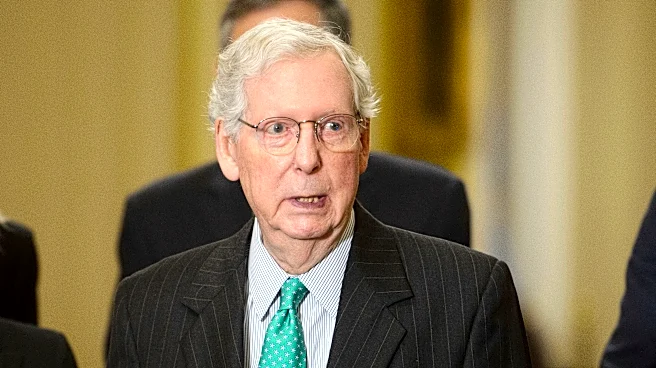
The EPA's repeal of power plant emission rules is likely to face legal challenges from environmental groups, with organizations like the Natural Resources Defense Council already indicating their intent to sue. These legal battles will determine the long-term enforceability and impact of the new regulations. Politically, the decision is expected to be a key talking point in upcoming elections, particularly in states with significant coal industries. Congressman Barr, who is running for Senate to succeed retiring Sen. Mitch McConnell, will likely continue to champion these policies as beneficial for his constituents. The administration's broader agenda includes further actions to reverse Obama and Biden-era policies, suggesting a continued focus on deregulation in the energy sector.
Beyond the Headlines
Beyond the immediate economic and environmental impacts, this decision reflects a deeper ideological divide within U.S. policy-making regarding the balance between economic growth and environmental stewardship. The Trump administration's stance prioritizes deregulation and the revitalization of traditional industries, viewing environmental regulations as impediments to economic prosperity. This approach contrasts sharply with those who advocate for aggressive climate action, emphasizing the long-term costs of inaction on climate change. The repeal also raises questions about the future of energy infrastructure in the U.S., particularly the role of coal and natural gas in a rapidly evolving global energy landscape. The ongoing debate underscores the complex interplay of economic interests, scientific consensus, and political will in shaping national policy.