



What's Happening?
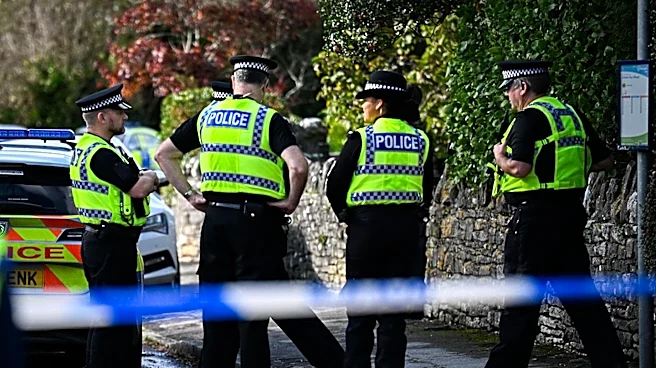
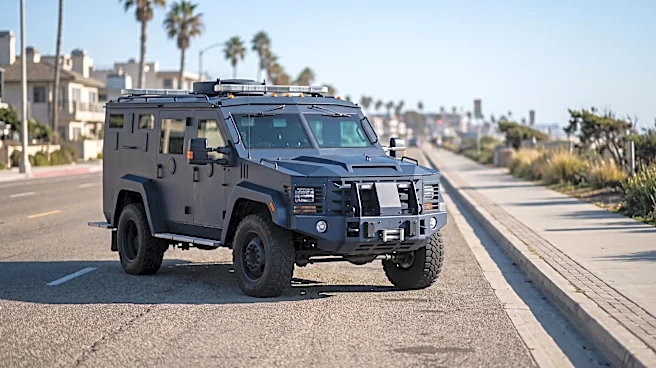
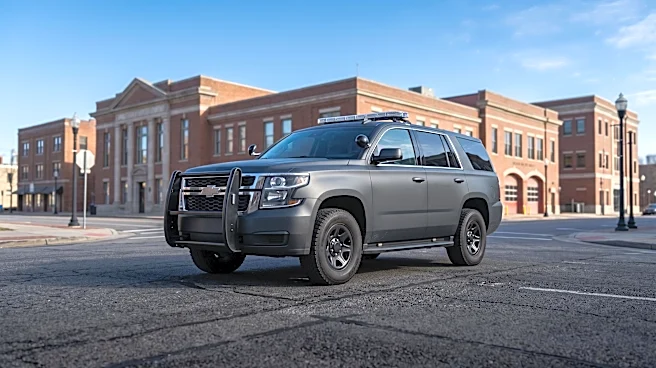
Following the recent attack at Bondi Beach, Sydney armed police have initiated street patrols by the Armed Response Command (ARC). This measure involves specially trained officers being deployed to high-traffic tourist areas and major public events. The
objective of these patrols is to enhance security, deter potential threats, and provide a rapid response to any serious incidents. The ARC officers are equipped and trained to handle critical situations, aiming to increase public safety and confidence in crowded spaces. This deployment signifies a heightened state of alert and a proactive approach by law enforcement to prevent further acts of violence and ensure the security of residents and visitors in key locations across Sydney. The initiative is a direct response to the need for increased visible security in the wake of recent events, focusing on areas where large gatherings are common.
Why It's Important?
The deployment of the Armed Response Command for street patrols in Sydney carries significant implications for public safety and law enforcement strategy. This move underscores a shift towards more visible and proactive policing in urban centers, particularly in areas vulnerable to attacks. For residents and tourists, it may offer a greater sense of security, knowing that highly trained and armed officers are present to respond to threats. However, it also raises questions about the long-term impact of such measures on the public's perception of safety and the potential for increased militarization of police forces. Economically, enhanced security could reassure tourists and businesses, potentially mitigating any negative impact on the tourism sector that might arise from safety concerns. The initiative also serves as a deterrent, aiming to prevent future incidents by presenting a more formidable security presence in public spaces.
What's Next?
The immediate next steps involve the continued deployment of ARC officers in designated high-risk and high-traffic areas across Sydney. Authorities will likely monitor the effectiveness of these patrols in terms of public safety, incident deterrence, and community perception. There may be ongoing assessments to determine if the scope of these patrols needs to be adjusted, either by expanding to more locations or by altering the frequency and visibility of the officers. Public feedback and crime statistics will play a crucial role in shaping the future of this initiative. Additionally, there could be discussions about resource allocation and funding to sustain such a high level of security presence, potentially leading to policy reviews regarding urban policing strategies in the long term. The police force will also likely continue to engage in intelligence gathering to anticipate and neutralize potential threats.
Beyond the Headlines
Beyond the immediate security response, the deployment of armed police patrols in Sydney reflects a broader societal shift in how urban safety is perceived and managed in the face of evolving threats. This measure could lead to a re-evaluation of the balance between public freedom and security, potentially influencing public policy debates on surveillance, police powers, and civil liberties. Culturally, a more visible armed police presence might alter the atmosphere of public spaces, potentially leading to a normalization of armed security as a routine aspect of urban life. There are also ethical considerations regarding the psychological impact on the public, particularly on vulnerable communities, and the potential for increased tensions between law enforcement and certain segments of the population. This development could also set a precedent for other cities globally, prompting a re-assessment of their own security protocols in response to similar threats.