



What's Happening?
Pakistan is actively seeking support from Saudi Arabia for liquefied petroleum gas (LPG) supplies and investment in its oil storage facilities and refinery upgrades. This move comes as Pakistan faces significant supply disruptions due to the Iran-US conflict
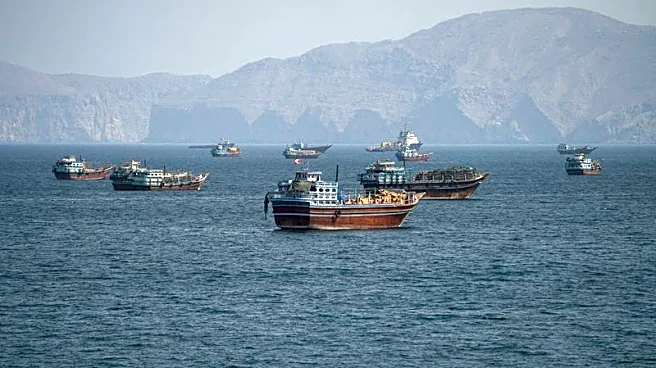
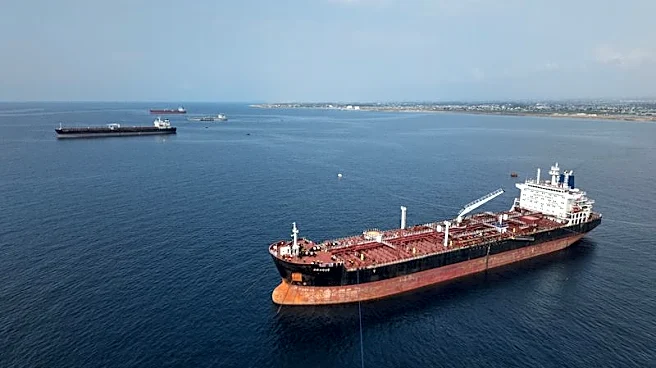
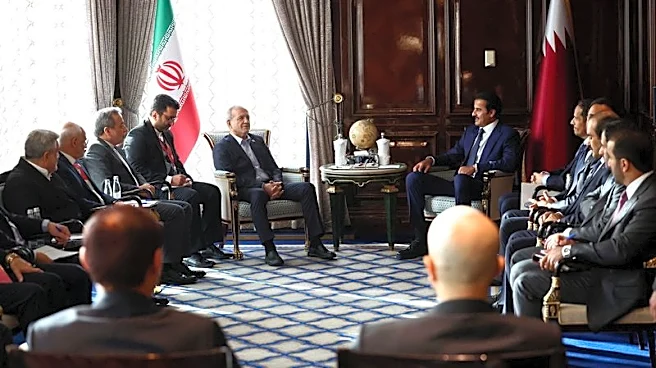
and instability in key regional shipping routes, including the Strait of Hormuz and Bab el-Mandeb. Federal Minister for Petroleum Ali Pervez Malik discussed these proposals with Saudi Arabia's Ambassador to Pakistan, Dr. Rajeh Tami Albugamy. Pakistan has approved a tax-neutral bonded policy, similar to international energy hubs, to allow Saudi companies to establish commercial oil reserves without local tax liabilities. The country is also planning a large petroleum storage and refining complex at Hub in Balochistan, capable of accommodating Very Large Crude Carriers, to enhance its role as a regional energy corridor for Central Asian and Chinese markets. Additionally, Pakistan is looking for Saudi investment in its refinery upgrade program to modernize infrastructure and meet Euro 5 fuel standards.
Why It's Important?
This initiative is crucial for Pakistan's energy security, especially with anticipated increases in domestic gas demand during winter and ongoing regional conflicts impacting supply chains. By inviting Saudi investment in strategic oil storage, Pakistan aims to diversify its maritime transit risks and secure a more stable energy supply. For Saudi Arabia, establishing commercial oil reserves in Pakistan offers a strategic advantage by providing greater flexibility in managing supply routes and accessing Asian markets, bypassing potential disruptions in the Strait of Hormuz and Bab el-Mandeb. The proposed Hub complex could transform Pakistan into a significant energy corridor, benefiting regional trade and stability. The modernization of Pakistan's refining infrastructure through Saudi investment would also improve efficiency and environmental standards, aligning with global fuel quality requirements.
What's Next?
Pakistan will continue discussions with Saudi Arabia regarding dedicated LPG shipments and investment in oil storage and refinery upgrades. The tax-neutral bonded policy is in place to attract Saudi companies for commercial oil reserve development. The planned petroleum storage and refining complex at Hub, Balochistan, will proceed with guidance from Technip Energies UK. Pakistan is also inviting Saudi Vice Minister of Mining Khalid Al-Mudaifer to attend the Pakistan Minerals Investment Forum, indicating broader cooperation efforts. The Saudi embassy in Islamabad has already introduced same-day visa processing for Pakistani citizens to facilitate business and cultural exchanges, signaling a commitment to strengthening bilateral ties.
Beyond the Headlines
The deepening energy cooperation between Pakistan and Saudi Arabia extends beyond immediate supply needs, reflecting a strategic realignment in response to evolving geopolitical dynamics in the Middle East. The Iran-US conflict and Red Sea security risks are compelling nations to seek alternative energy security measures and partnerships. Pakistan's efforts to become a regional energy hub could significantly alter trade routes and influence economic development in Central and South Asia. This collaboration also underscores the growing importance of economic diplomacy in strengthening strategic alliances, potentially leading to broader defense and economic cooperation between the two nations, as both sides emphasized their strong defense and strategic partnership as a foundation for regional peace and stability.