
What's Happening?
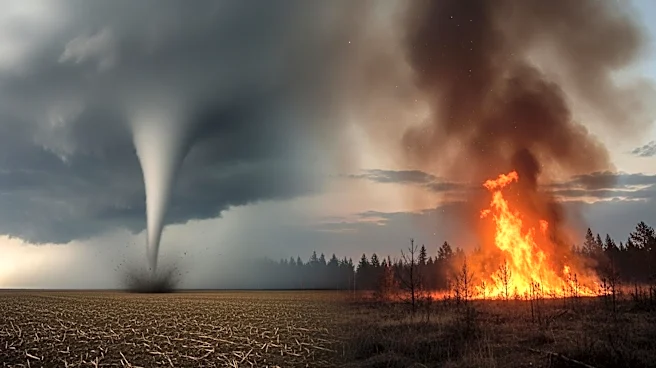
In response to increasing climate disasters, many victims are opting to rebuild using prefabricated homes. These homes offer a combination of safety, affordability, and customization, making them an attractive option for those affected by wildfires, hurricanes,
and other natural disasters. The Warnesky family, who lost their home in the Eaton Fire, chose a prefab home designed for fire resistance and extreme weather durability. Prefabricated homes are becoming more popular due to their ability to withstand harsh conditions and their cost-effectiveness compared to traditional builds. Companies are innovating with materials and designs to meet the growing demand for resilient housing solutions.
Why It's Important?
The shift towards prefabricated homes reflects a broader trend in the housing industry as climate change continues to pose significant risks. Prefab homes offer a practical solution for rebuilding in disaster-prone areas, providing peace of mind to homeowners concerned about future events. This trend also highlights the need for sustainable and resilient building practices in the face of environmental challenges. As more people turn to prefab homes, the industry is likely to see increased innovation and investment, potentially leading to advancements in construction technology and materials. This could have long-term implications for housing affordability and accessibility.