



What's Happening?
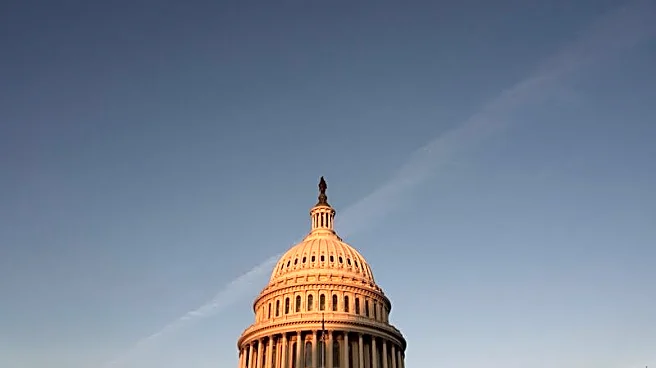
The Artificial Intelligence Whistleblower Protection Act (AIWPA) was introduced by Senate Judiciary Committee Chair Chuck Grassley (R-Iowa) on May 15, 2025, as a bipartisan effort to regulate and increase accountability within the AI sector. Senator Grassley attempted
to fast-track the legislation through unanimous consent in late September 2026. The Act aims to establish employment protections for current and former employees and independent contractors of AI companies who disclose information about AI security vulnerabilities, violations, or substantial dangers to public safety, public health, or national security. Security vulnerabilities refer to system failures that could lead to theft or hacking of AI technology, while AI violations include breaches of federal laws related to AI development and use, or a company's failure to address specific AI-related dangers. The legislation has garnered endorsements from organizations such as the National Whistleblower Center and the Center for AI Policy.
Why It's Important?
The AIWPA is deemed crucial due to the current lack of transparency and regulation within the rapidly growing AI sector. Without clear and safe channels for individuals to report concerns to the federal government, there is a risk of detrimental social and financial outcomes. Whistleblower programs are essential in industries lacking proper government oversight, as they encourage employees to report misconduct and violations by guaranteeing protection from retaliation. Representative Jay Obernolte (R-California), a co-sponsor, emphasized the need for individuals to speak up about potential AI threats without fear of reprisal, especially as AI becomes more powerful and integrated into infrastructure. The Act would supplement existing federal whistleblower protections, offering a six-year timeframe for claims, compared to the three-year period under the Whistleblower Protection Act of 1989.
What's Next?
The AIWPA remains pending in Congress. If enacted, it would provide significant protections against retaliation for individuals reporting AI security vulnerabilities or violations. While the Act does not directly offer financial incentives, whistleblowers could potentially receive compensation through mechanisms like the False Claims Act if their actions lead to a financial recovery for the government. This could encourage more individuals to come forward with information about misconduct, such as 'AI washing,' where companies misrepresent their use of AI. The Securities and Exchange Commission (SEC) has already taken action against companies for such deceptive practices, highlighting the need for increased accountability in the AI industry. The passage of this legislation would empower AI company employees, who are often the most informed about the technology's risks and harms, to play a critical role in ensuring public safety and corporate accountability.
Beyond the Headlines
The introduction of the AIWPA highlights a growing recognition of the ethical and societal implications of artificial intelligence. The legislation addresses the inherent power imbalance between large AI corporations and their employees, aiming to create a safer environment for reporting concerns without fear of professional repercussions. This move could foster a culture of greater transparency and responsibility within the AI industry, potentially preventing future incidents related to AI misuse or security breaches. The focus on protecting whistleblowers underscores a broader societal push for accountability in emerging technologies, acknowledging that internal oversight is often the first line of defense against potential harms. The Act's emphasis on public safety and national security also reflects concerns about the dual-use nature of AI and the need for robust safeguards.