

What's Happening?
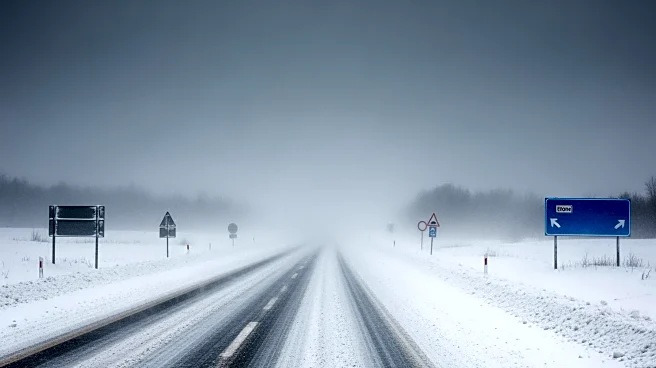
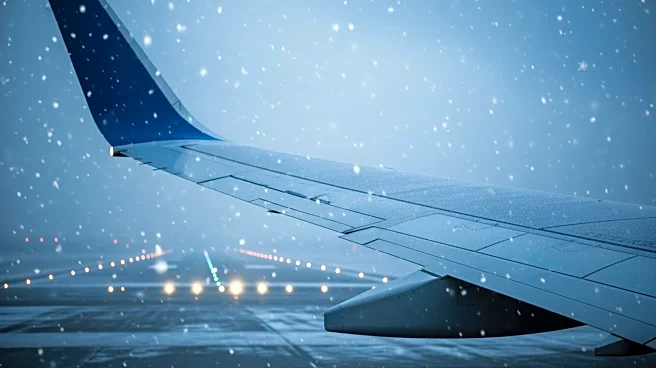
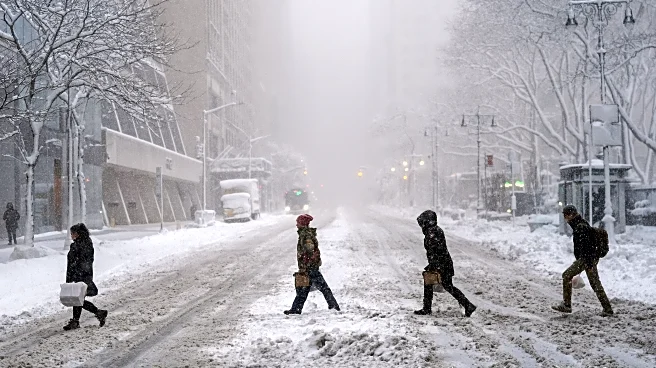
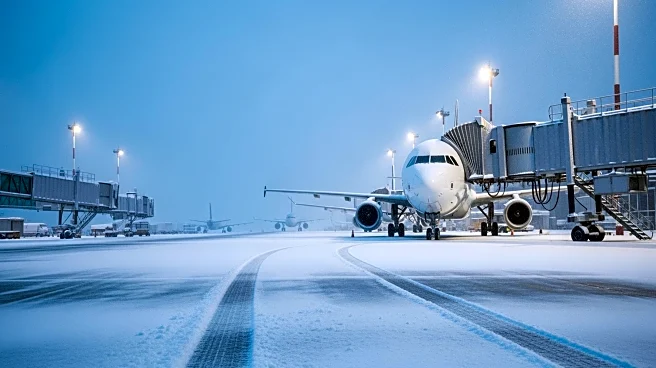
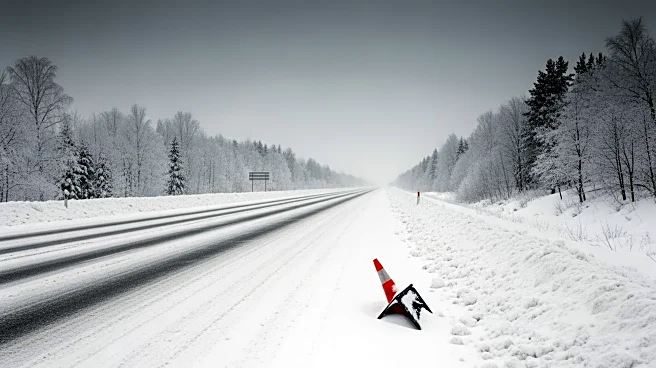
A severe blizzard has significantly disrupted air travel across major East Coast airports, including those serving New York City, Boston, and Philadelphia. The storm, which has brought nearly two feet of snow to parts of New Jersey and Long Island, New York,
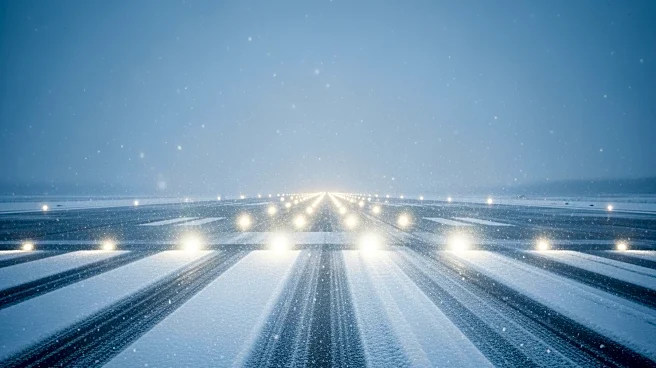
has led to the cancellation of over 4,800 U.S. departures, accounting for nearly 20% of the total scheduled flights. The National Weather Service has issued blizzard warnings from Maryland to Maine, with high winds and low visibility making travel treacherous. The disruptions are expected to continue, with significant cancellations already planned for the following day at key airports such as LaGuardia and JFK in New York, and Boston Logan International.
Why It's Important?
The blizzard's impact on air travel highlights the vulnerability of transportation infrastructure to severe weather events. The cancellations affect not only passengers but also the airlines' operational efficiency, as they must manage aircraft and crew logistics amidst the disruptions. This situation underscores the challenges airlines face in maintaining service reliability during extreme weather, which can have broader economic implications, including potential losses in tourism and business travel. The event also raises questions about the preparedness of airports and airlines to handle such disruptions and the effectiveness of their contingency plans.
What's Next?
Airlines are likely to focus on resuming normal operations as quickly as possible once the storm passes. This will involve coordinating with airport authorities to clear runways and manage passenger rebookings. Passengers affected by the cancellations may face delays in reaching their destinations, and airlines may offer fee waivers or alternative travel arrangements. The situation may prompt discussions among industry stakeholders about improving resilience to weather-related disruptions, potentially leading to investments in infrastructure or changes in operational strategies.