






What's Happening?
Senator Tammy Baldwin's office in Wisconsin received a letter containing a suspicious substance, an incident she reported on X (formerly Twitter) on Monday evening. This event is part of a broader trend of similar mailings sent to elected officials and
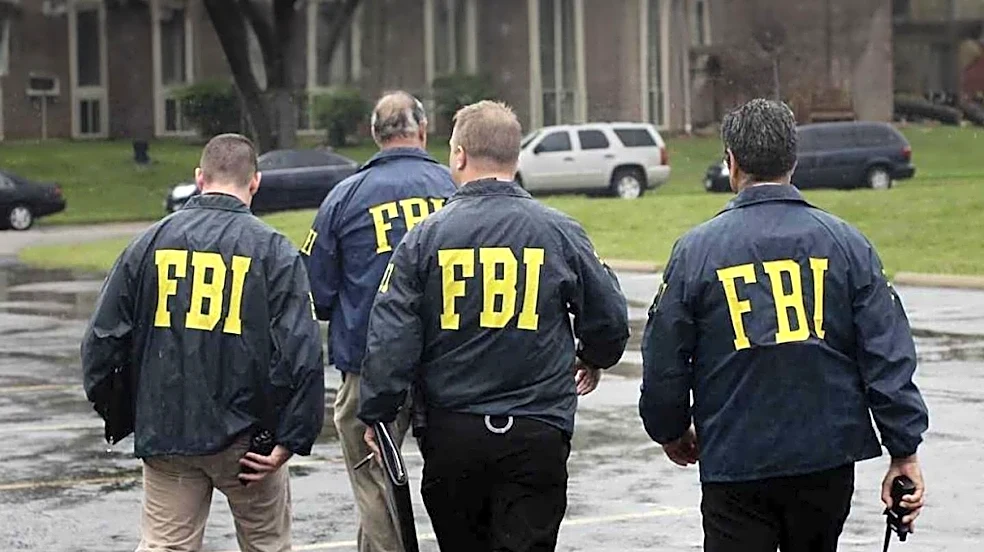
election offices across the United States. Senator Baldwin confirmed that all personnel are safe and that the Federal Bureau of Investigation (FBI) and the U.S. Postal Inspection Service are actively investigating the matter. Other Wisconsin lawmakers, including Republican Ron Johnson and Democratic U.S. Representatives Mark Pocan and Gwen Moore, have also reported receiving comparable suspicious packages. Federal authorities initiated an investigation into these mailings last week, noting that some contained unknown substances and were sent to various addresses nationwide, including Secretary of State offices and election-related facilities.
Why It's Important?
The receipt of suspicious substances by elected officials' offices, including that of Senator Tammy Baldwin, highlights a concerning pattern of threats against public servants and democratic institutions. Such incidents can disrupt governmental operations, create an atmosphere of fear, and potentially deter individuals from engaging in public service. The involvement of federal agencies like the FBI and the U.S. Postal Inspection Service underscores the seriousness of these threats and the potential for criminal intent. These events also raise questions about the security protocols for handling mail directed to government offices and the broader implications for public safety and the integrity of the political process. The widespread nature of these mailings suggests a coordinated effort, which could have significant implications for national security and domestic extremism.
What's Next?
The FBI and the U.S. Postal Inspection Service will continue their investigation to identify the individuals or groups responsible for sending the suspicious mailings to Senator Baldwin's office and other elected officials. This will likely involve forensic analysis of the substances found, tracing the origins of the packages, and examining any patterns in the targets or methods used. Law enforcement agencies may also review and potentially enhance security measures for mail handling at government facilities. Public statements from officials will likely continue to emphasize the safety of staff and the commitment to bringing perpetrators to justice. The ongoing nature of these threats may also prompt discussions among lawmakers about legislative actions to address domestic threats and protect public officials.
Beyond the Headlines
Beyond the immediate security concerns, these incidents reflect a deeper societal tension and potential erosion of civility in political discourse. The targeting of elected officials with suspicious substances can be seen as an attempt to intimidate and silence, undermining the democratic process. Such acts can foster a climate of distrust and fear, making it more challenging for public servants to perform their duties without apprehension. The psychological impact on staff and the broader public should not be underestimated. Furthermore, these events may prompt a re-evaluation of how political disagreements are expressed and the potential for extremist elements to resort to dangerous tactics, posing a significant challenge to the fabric of democratic society and the safety of those who serve within it.