






What's Happening?
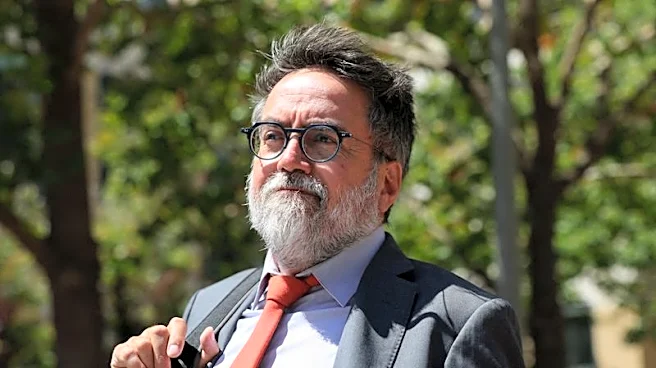
During a historic trial, a former Meta safety researcher, Arturo Béjar, testified that Mark Zuckerberg and Meta operated under a 'don't ask, don't tell' policy regarding child safety issues, prioritizing profits over protecting young users. Béjar, who
worked at Meta from 2009 to 2015 and consulted from 2019 to 2021, claimed that Zuckerberg created a 'false and misleading impression' of the company's commitment to youth safety. He alleged that Meta had the technical capability to detect underage users circumventing safeguards but chose not to act to protect its bottom line, viewing younger users as future growth. This testimony is part of a lawsuit brought by a coalition of 29 state attorneys general, who accuse Meta of contributing to a teen mental health crisis through addictive app design and illegally harvesting children's data.
Why It's Important?
This trial is of immense importance as it directly challenges the practices of one of the world's largest social media companies concerning child safety and mental health. The allegations of a 'don't ask, don't tell' policy, if proven, could have significant legal and financial repercussions for Meta, with potential damages ranging from $200 billion to an astronomical $1.4 trillion. Beyond the financial penalties, a ruling against Meta could force fundamental changes in how social media platforms design their products, implement age verification, and moderate content to protect minors. This case could set a precedent for future regulations on tech companies, influencing public policy regarding online child safety and corporate accountability in the digital age. It also highlights the ongoing debate about the ethical responsibilities of tech giants and the balance between user engagement and user well-being.
What's Next?
The trial is expected to last approximately six weeks, with Mark Zuckerberg and Instagram chief Adam Mosseri anticipated to testify. Meta has consistently denied wrongdoing, arguing that it has implemented various measures to protect children, including parental oversight tools and time limits. The outcome of this trial will significantly impact Meta's operations and potentially lead to court-ordered changes in its platform design and data collection practices. Regardless of the verdict, the public scrutiny and legal proceedings will likely intensify the ongoing conversation about social media's impact on youth mental health, potentially spurring legislative action at both state and federal levels to regulate online platforms more strictly. Other tech companies will be closely watching the proceedings, as the precedent set could affect their own policies and legal liabilities.
Beyond the Headlines
The testimony from Arturo Béjar uncovers a deeper ethical dilemma at the heart of many digital platforms: the conflict between growth and user safety, particularly for vulnerable populations like children. The idea that Meta might have knowingly overlooked underage users to secure future engagement raises profound questions about corporate ethics and the long-term societal costs of unchecked technological expansion. This case transcends mere legal disputes; it delves into the moral obligations of companies that wield immense influence over the lives of billions, especially the young. It also underscores the challenges parents face in navigating the digital world with their children and the urgent need for robust regulatory frameworks that prioritize well-being over profit. The trial could serve as a catalyst for a broader cultural shift, demanding greater transparency and accountability from tech companies regarding their impact on society.