
What's Happening?
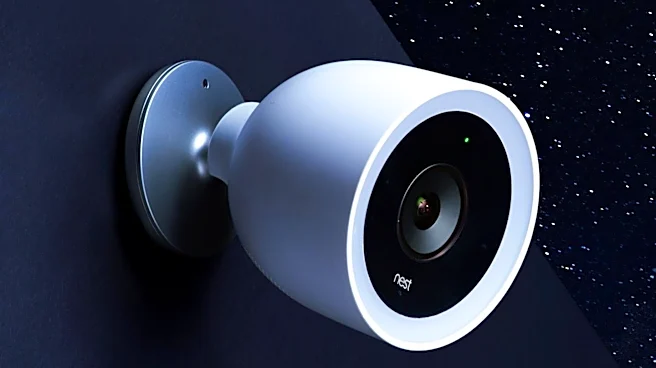
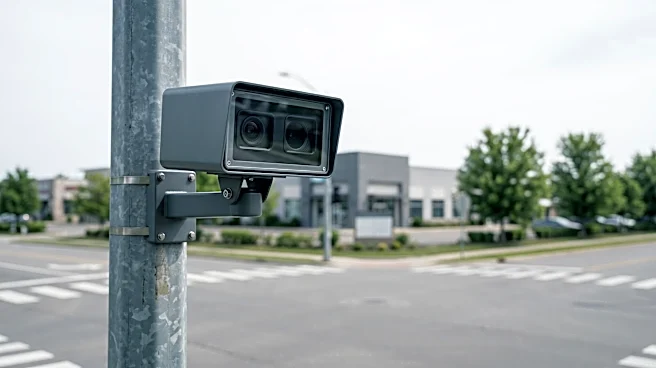
The Quincy Police Department has restricted access to Flock Safety’s license plate camera platform to only 50 out of its approximately 240 officers. This decision follows growing concerns and reports of misuse
of the surveillance technology across Massachusetts. Searches conducted by Quincy police are now audited and must be linked to an investigation with a case number, and confined to the city’s borders. This move comes as other departments in the state, such as Wellesley, have ended their pilot programs or contracts with Flock Safety due to similar issues. The broader context includes multiple investigations into police officers for misusing the technology, including cases of alleged stalking and unauthorized tracking of individuals. Critics argue that the technology facilitates widespread sharing of personal data and intrusive searches without warrants, and some departments have cooperated with federal agents for immigration purposes.
Why It's Important?
The actions taken by the Quincy Police Department and other municipalities highlight a significant debate regarding privacy, surveillance technology, and law enforcement accountability in the U.S. The misuse of license plate reader technology, as evidenced by numerous cases in Massachusetts and nationwide, raises serious civil liberties concerns. The technology's ability to track vehicle movements and collect extensive data on individuals without a warrant challenges established legal protections against unreasonable searches. The involvement of federal agents in accessing this data for immigration enforcement further complicates the issue, potentially impacting immigrant communities and trust in local law enforcement. The push for legislative action by organizations like the ACLU of Massachusetts underscores the need for clear regulations to prevent abuse and protect citizens' rights, as current self-auditing measures by companies like Flock Safety are deemed insufficient by critics.
What's Next?
In response to the scrutiny, Flock Safety has implemented changes to its platform, including an auditing tool designed to flag misuse, which will be mandatory for customers by the end of the year. The company will also require officers to enter a case number for all searches and allow departments to limit the types of offenses for which other agencies can search their databases, such as prohibiting searches for immigration purposes. However, civil liberties groups and activists continue to advocate for stronger legal protections, including a warrant requirement for using such technology, arguing that self-auditing by companies or law enforcement is inadequate. The Institute for Justice has identified over 150 cases of license plate reader technology abuse nationwide, suggesting a much larger problem. Further legislative action at the state level in Massachusetts and potentially other states is anticipated as advocates push for more stringent oversight and accountability.
Beyond the Headlines
The controversy surrounding Flock Safety's license plate cameras extends beyond immediate privacy concerns, touching upon the broader implications of pervasive surveillance in a democratic society. The technology's capacity to create detailed movement histories of individuals raises questions about the erosion of anonymity and the potential for chilling effects on free association and expression. The debate also highlights the challenges of regulating rapidly evolving surveillance technologies, where legal frameworks often lag behind technological advancements. The reliance on private companies to provide and manage such sensitive data also introduces questions of corporate responsibility, data security, and the potential for data breaches or unauthorized access. Ultimately, the discussion in Quincy and across the U.S. reflects a fundamental tension between public safety objectives and the preservation of individual liberties in an increasingly data-driven world, prompting a reevaluation of how technology is integrated into law enforcement practices.