






What's Happening?
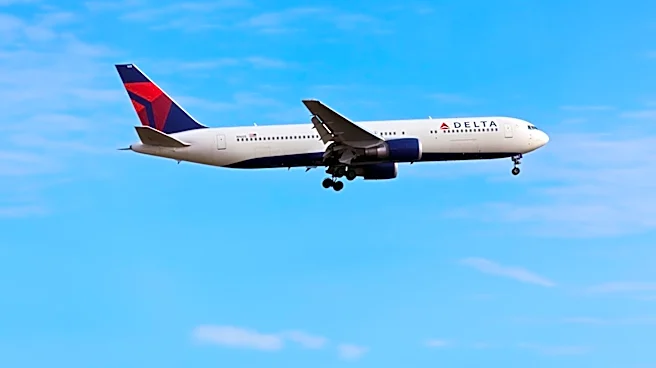
Delta Air Lines has reached a settlement in a class-action lawsuit stemming from a 2020 incident where Delta Flight 89, en route from Los Angeles to Shanghai, dumped thousands of gallons of jet fuel over an elementary school and numerous businesses in Los Angeles.
The airline stated the fuel dump was necessary to achieve a safe weight for flight. The lawsuit was initially filed by four teachers, and the proposed settlement, which awaits full judicial approval, would establish a $50.59 million fund for approximately 160,000 individual residents and over 38,000 businesses impacted by the event. Additionally, $24 million is allocated for attorneys' fees and litigation costs. The four original plaintiffs are set to receive $15,000 each as service awards. Under the terms of the settlement, Delta Air Lines will not be required to admit liability or wrongdoing.
Why It's Important?
This settlement highlights the significant financial and public relations consequences airlines face when operational incidents impact communities. The substantial fund allocated for affected residents and businesses underscores the potential for widespread harm from such events, even if unintentional. The agreement to not admit liability, while common in settlements, allows Delta to resolve the legal challenge without formally acknowledging fault, which could have broader implications for future regulatory actions or public perception. The high level of participation in the class-action lawsuit, with nearly 13,000 approved claims, demonstrates the community's strong desire for redress and accountability from corporate entities. This case could influence how airlines manage in-flight emergencies, particularly those involving fuel jettison procedures over populated areas, potentially leading to stricter protocols or technological advancements to mitigate environmental and public health risks.
What's Next?
The proposed settlement still requires full approval from a judge. Once approved, the $50.59 million fund will be distributed among the affected residents and businesses. The process of claim verification and distribution will follow, which can often be a lengthy administrative undertaking. Delta Air Lines will likely continue to review and potentially refine its emergency procedures for fuel dumping, especially given the public scrutiny and financial cost associated with this incident. Other airlines may also take note of this settlement, potentially prompting an industry-wide re-evaluation of emergency protocols and communication strategies when incidents occur over populated areas. The resolution of this lawsuit could set a precedent for how similar environmental and public health incidents involving aviation are handled in the future.
Beyond the Headlines
The incident and subsequent settlement bring to light the complex balance between aviation safety protocols and environmental/public health concerns. While fuel dumping is a recognized emergency procedure to reduce aircraft weight for safe landing, the location and altitude of such operations are critical. This event underscores the need for clear communication and potentially revised regulations regarding fuel jettisoning over urban areas. The fact that Delta will not admit liability, despite the substantial settlement, raises questions about corporate responsibility and the legal mechanisms available to hold companies accountable without direct admission of fault. Furthermore, the incident highlights the often-overlooked environmental impact of aviation, beyond carbon emissions, including localized pollution from fuel dumps. This case could contribute to a broader public and regulatory discussion on sustainable aviation practices and emergency response protocols that prioritize both flight safety and community well-being.