





What's Happening?
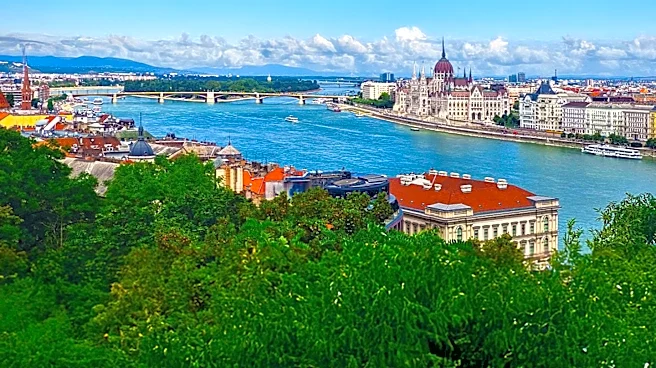
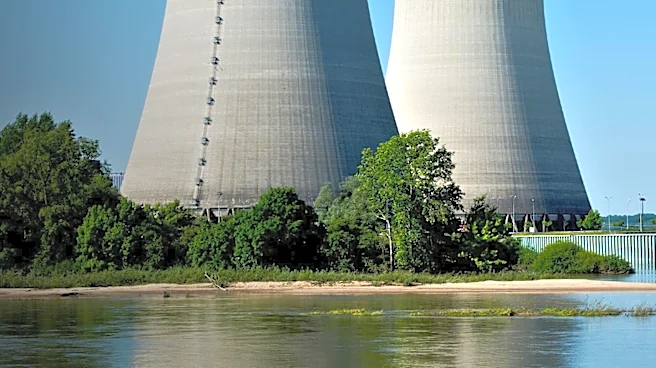
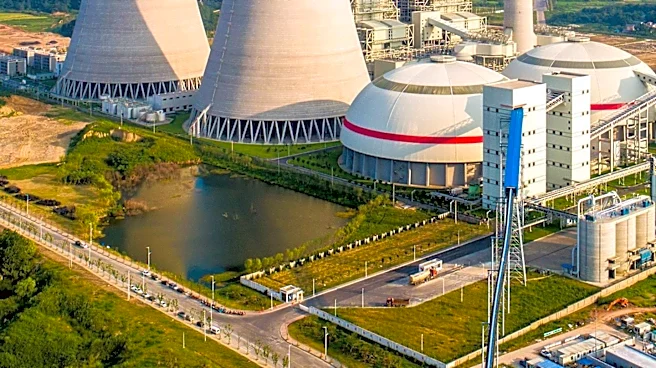
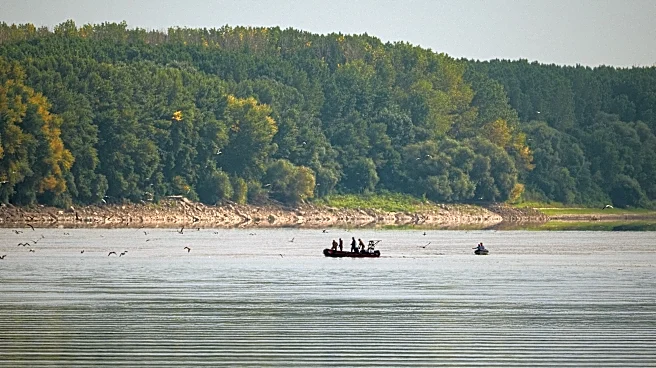
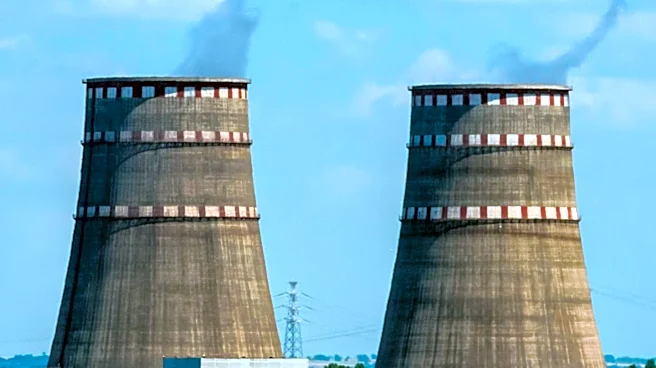
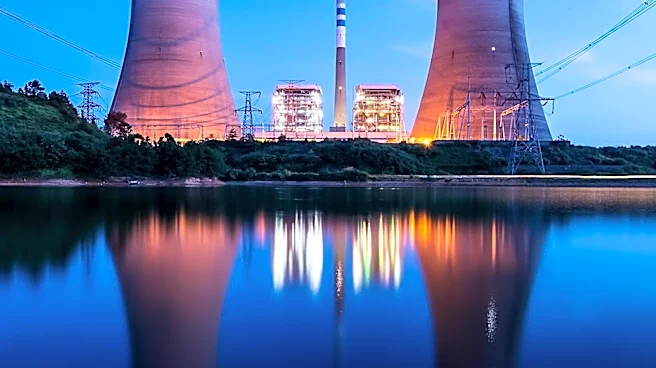
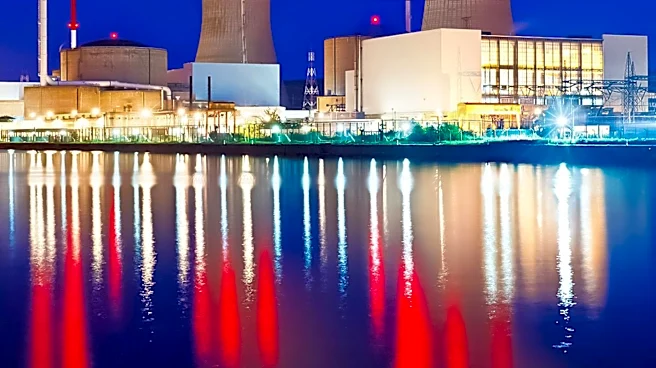
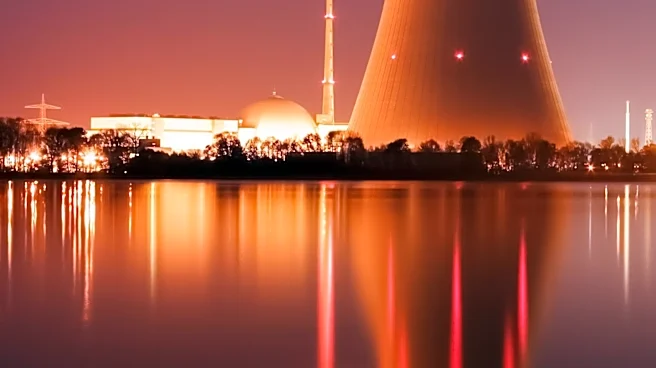
Hungary's only nuclear power plant, Paks, is on the verge of shutting down due to unprecedented low water levels in the Danube River, which is essential for the plant's cooling process. The plant, which typically provides about 50% of Hungary's electricity,
has already reduced its operations, with only one of its four reactors functioning at half capacity. The drought affecting Southeast Europe has persisted for over three months, exacerbating the situation. In response, Hungary has increased its electricity imports from neighboring countries to compensate for the reduced power generation. The government has urged citizens to conserve energy, particularly during peak hours, to alleviate pressure on the national grid.
Why It's Important?
The potential shutdown of the Paks Nuclear Plant highlights the vulnerability of energy infrastructure to climate-induced changes, such as prolonged droughts. This situation underscores the need for countries to diversify their energy sources and enhance grid resilience. For Hungary, the reliance on a single plant for half of its electricity poses significant risks, especially as climate change continues to impact water resources. The increased electricity imports could lead to higher costs, although the government is currently absorbing these to shield consumers. This event also serves as a critical test for Hungary's new government, which must navigate the energy crisis while maintaining public confidence.
What's Next?
Hungary's government is closely monitoring the situation, with Prime Minister Péter Magyar calling for national unity in energy conservation efforts. Weather forecasts suggest a potential reprieve with an incoming cold front, but the immediate future remains uncertain. The government may need to explore long-term solutions, such as investing in alternative energy sources or enhancing water management strategies, to prevent similar crises. Additionally, the situation may prompt broader discussions within the European Union about regional energy security and climate adaptation strategies.