

What's Happening?
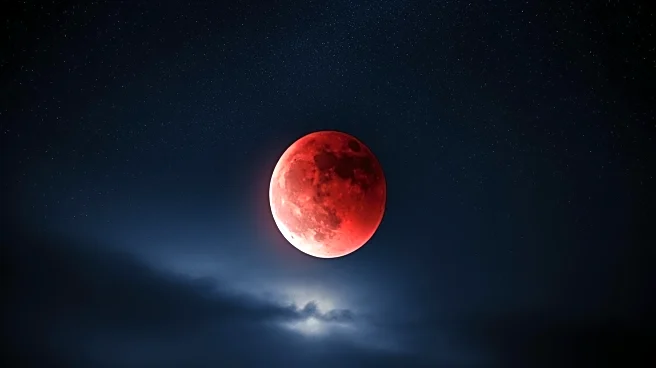
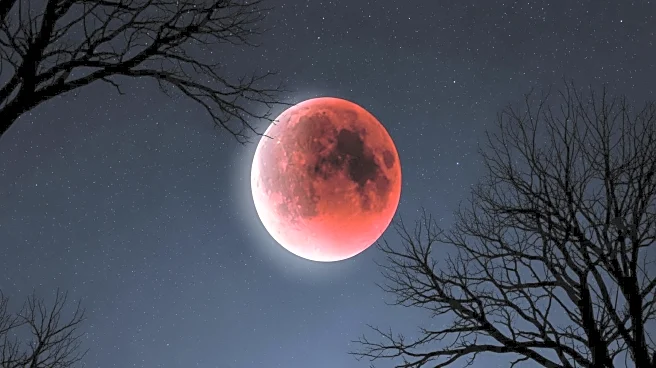
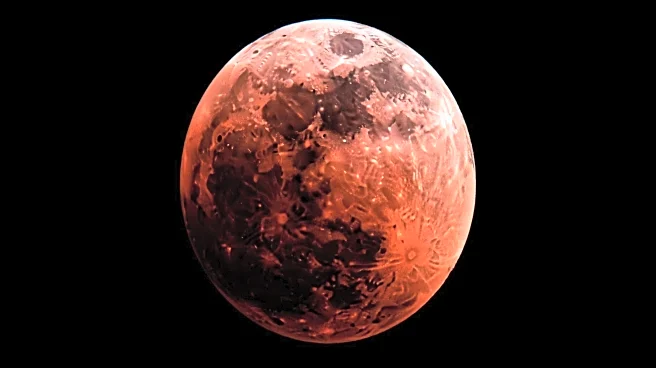
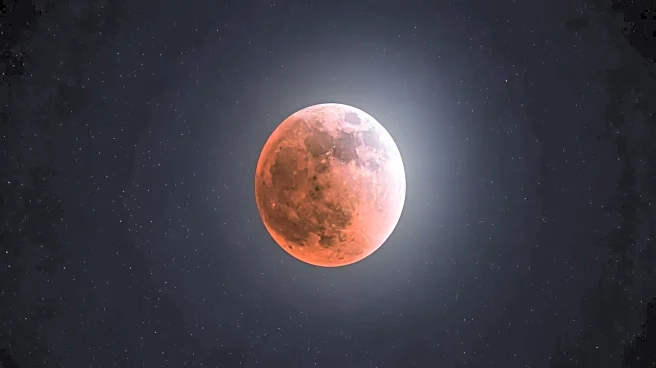
A total lunar eclipse, also known as a Blood Moon, is set to occur on the early morning of March 3, 2026. This celestial event will be visible for nearly an hour, during which the moon will take on a deep crimson hue. The eclipse will be visible to the naked
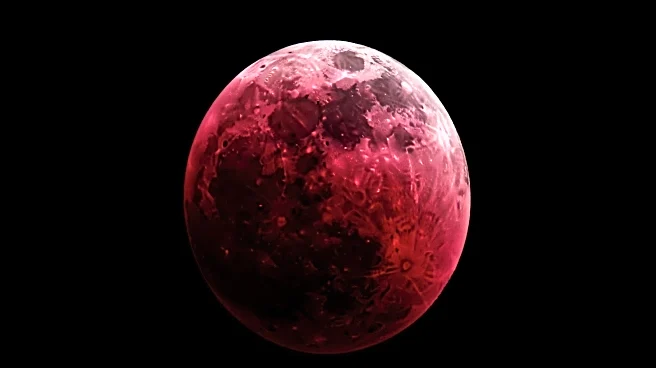
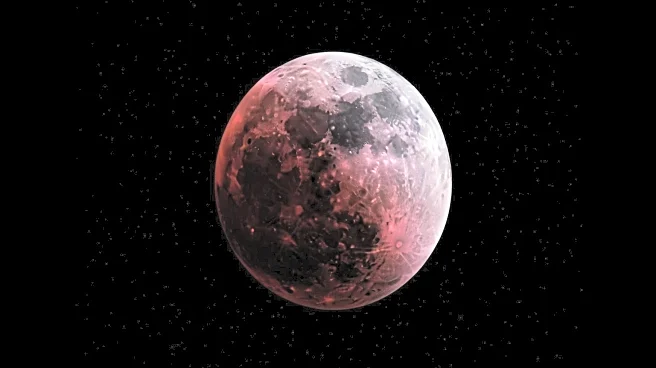
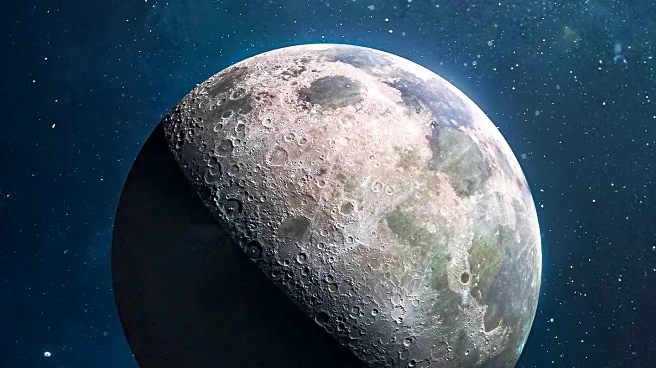
eye, but viewers can enhance their experience using binoculars, tripods, and telescopes. According to Space.com, using binoculars will allow observers to see the curve of Earth's shadow as it covers the moon, while telescopes can reveal detailed features such as mountain ranges and crater rims. This event is significant as it will be the last total lunar eclipse until 2029.
Why It's Important?
The total lunar eclipse offers a unique opportunity for both amateur and professional astronomers to observe and capture the moon in a rare state. It serves as an educational moment for the public to learn about celestial mechanics and the alignment of the sun, Earth, and moon. The event also has cultural significance, often inspiring awe and reflection on humanity's place in the universe. For the scientific community, such events can provide data on Earth's atmosphere and its effects on light filtering. The eclipse is a reminder of the natural phenomena that connect us to the broader cosmos.
What's Next?
Following this eclipse, the next total lunar eclipse will not occur until 2029, making this event a must-see for skywatchers. Observatories and science centers may host viewing parties to engage the public and provide educational resources. The event could also inspire increased interest in astronomy and space exploration, potentially leading to more public and private investment in these fields. As technology advances, future eclipses may be captured with even greater detail, providing new insights into lunar and atmospheric science.