







What's Happening?
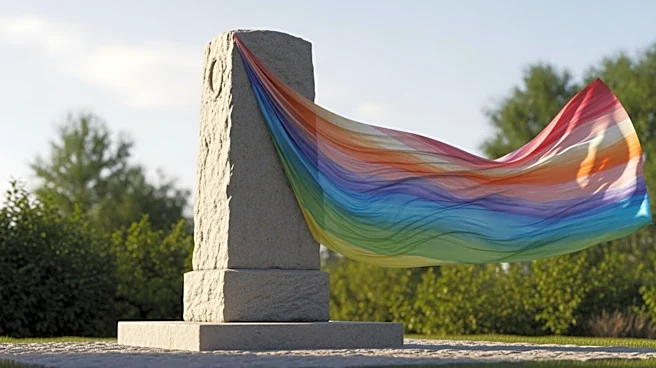
The Trump administration has agreed to a court settlement to keep the Pride flag flying at the Stonewall National Monument in New York City. This decision comes after a lawsuit filed by a group of nonprofits, which argued that the administration's removal
of the flag violated federal law. The flag was initially removed in February due to a government directive that restricted the types of flags that could be displayed at national park sites. The removal sparked backlash from the LGBTQ community and local officials, who viewed it as an attack on LGBTQ history. The Stonewall Inn, located in Manhattan's Greenwich Village, is a historic site recognized as the birthplace of the modern LGBTQ rights movement in the U.S. The administration's agreement to return the flag represents a setback in its efforts to roll back diversity initiatives.
Why It's Important?
The decision to keep the Pride flag at the Stonewall National Monument is significant as it underscores the ongoing cultural and political battles over LGBTQ rights in the United States. The administration's initial removal of the flag was seen as part of a broader effort to diminish diversity initiatives, which has been met with resistance from civil rights groups and local governments. The settlement highlights the power of legal action and public protest in influencing government decisions. It also reaffirms the symbolic importance of the Stonewall site in the history of LGBTQ rights, serving as a reminder of the community's struggles and achievements.
What's Next?
Following the settlement, the federal government is expected to return the Pride flag to the monument's official flagpole within the next week. The site will also display the American flag and the National Park Service flag. This decision may prompt further discussions and actions regarding the display of symbols representing minority groups at national sites. It could also influence future policies on diversity and inclusion under the current administration. Stakeholders, including LGBTQ advocacy groups and local officials, will likely continue to monitor and respond to any further attempts to alter the representation of LGBTQ history at national monuments.