
What's Happening?
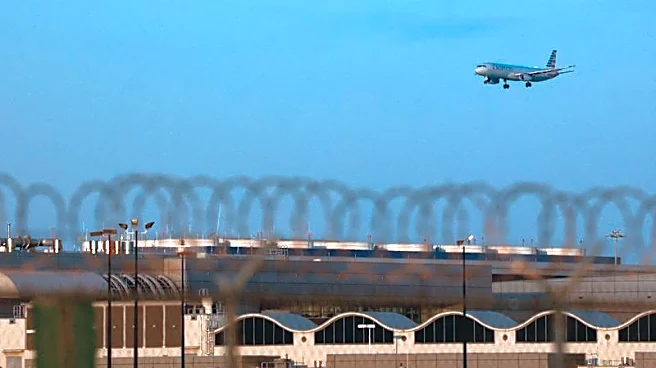
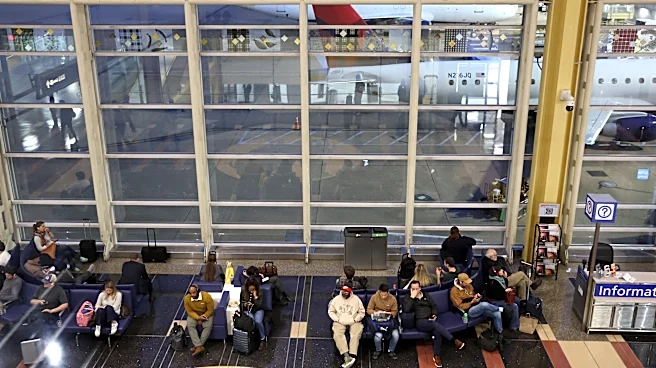
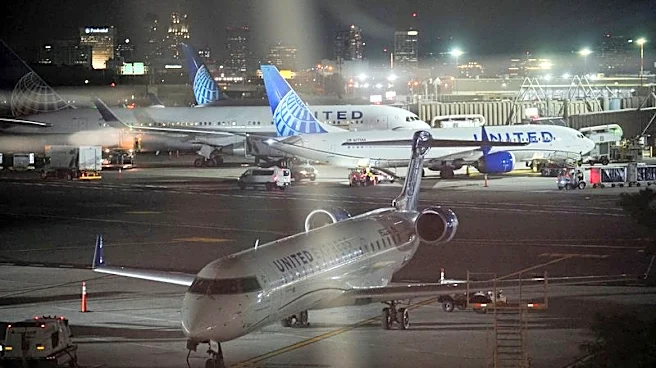
The Federal Aviation Administration (FAA) lifted a nationwide ground stop on Friday after a communications failure at air traffic control centers caused widespread chaos at US airports. Transportation
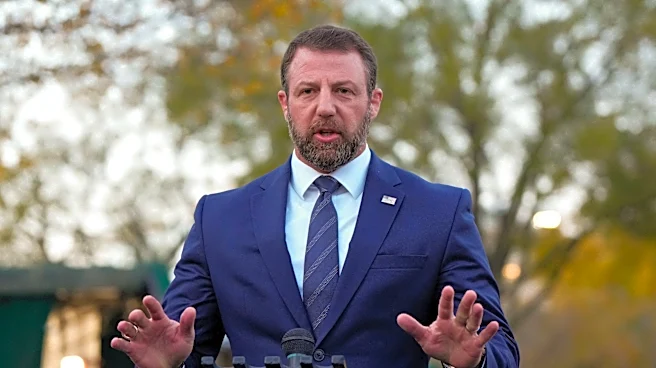
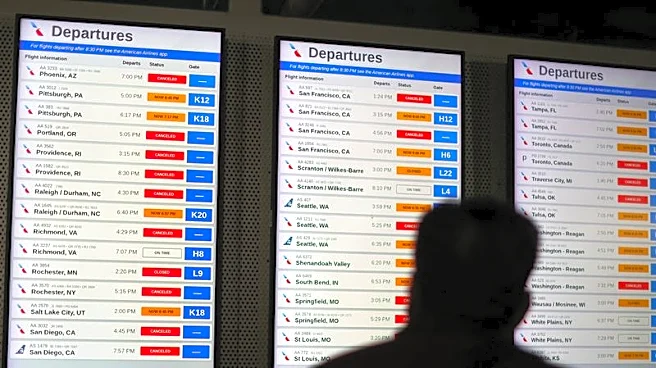
Secretary Sean Duffy announced that US airspace reopened at 8:15 p.m. Eastern Time, but warned that departures would resume gradually, and it would take time for airlines to restore normal operations. The incident led to the cancellation of over 6,600 flights and the delay of 8,600, with an additional 1,500 flights already canceled for Sunday. Secretary Duffy explained that the trouble began at 3:36 p.m. when radar and communications systems experienced instability due to overloaded switches and routers. He clarified that while the system was shut down to prevent data inconsistencies, radar and communications were never completely lost, allowing thousands of planes to land safely. Secretary Duffy and Homeland Security Secretary Markwayne Mullin met with President Trump in the Oval Office to discuss the outage. Mullin stated there was no evidence of a cyberattack or rogue AI system, suggesting a mechanical failure.
Why It's Important?
This widespread aviation disruption underscores the critical vulnerabilities within the US air traffic control system, which Secretary Duffy attributed to aging technology and a shortage of controllers. The incident highlights the significant economic and social impact that such failures can have, stranding tens of thousands of passengers and disrupting airline schedules for days. The call for a $50 billion overhaul to modernize the system emphasizes the urgent need for infrastructure investment to ensure the safety and efficiency of air travel. The fact that US airlines are not required to compensate stranded passengers for FAA system failures shifts the financial burden onto travelers, raising questions about consumer protection in such events. This event could serve as a catalyst for Congress to prioritize and fund the necessary upgrades, as the current system's fragility poses a continuous risk to national transportation and economic activity. The incident also brings into focus the broader issue of critical infrastructure resilience in the face of technological obsolescence.
What's Next?
While the immediate problem has been fixed and flying is deemed safe, Secretary Duffy stressed that a broader overhaul of the aging air traffic control system is essential to prevent similar failures. He urged Congress to approve $50 billion for modernization, building on an earlier request for $30.1 billion to upgrade airports and air traffic control infrastructure. The investigation into the cause of the outage, involving the National Security Agency and the Department of Homeland Security, will continue to determine if any underlying issues beyond mechanical failure contributed to the incident. The disruption for passengers is expected to continue for several days as airlines work to reposition aircraft and crews. This event will likely intensify public and political debate over federal funding for infrastructure projects and the need for long-term strategic investments in critical national systems. Airlines, while not directly responsible for compensation, will face operational challenges and potential reputational damage from the widespread cancellations and delays.
Beyond the Headlines
The FAA outage exposes a deeper systemic issue: the chronic underinvestment in critical public infrastructure and the reliance on outdated technology. This incident is not isolated, as the only other nationwide ground stop since 9/11 occurred in January 2023, indicating a recurring problem. The blame placed on Congress for failing to fund a new system highlights a political impasse that has long plagued infrastructure development in the US. Beyond the immediate inconvenience, such failures erode public trust in government services and can have cascading effects on various sectors of the economy. The discussion around a potential cyberattack, though dismissed in this instance, underscores the growing threat landscape for critical infrastructure and the need for robust cybersecurity measures. This event could also spark a broader conversation about the balance between cost-cutting and maintaining essential public services, and the long-term consequences of deferring necessary upgrades.