





What's Happening?
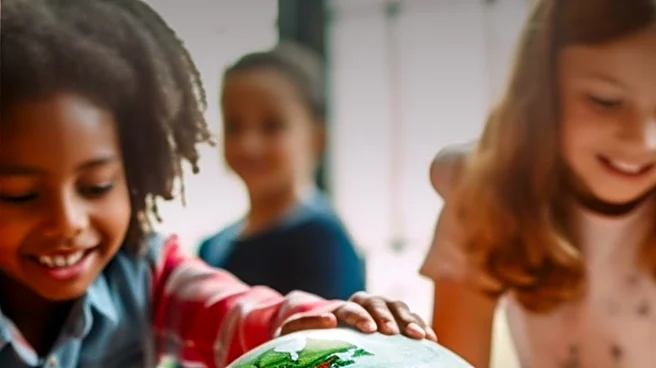
UNICEF is actively supporting children's involvement in Romania's reporting process to the UN Committee on the Rights of the Child. This initiative ensures that the perspectives of children and adolescents are directly integrated into international accountability
mechanisms concerning child rights. In 2023, children contributed to a dedicated report through various mediums, including consultations, workshops, videos, and written inputs, sharing their experiences and priorities regarding their rights. This engagement continued into 2024, with children participating in follow-up workshops and contributing to Romania's official report, engaging directly with the Committee. UNICEF's role is to facilitate meaningful participation, moving beyond mere consultation, to influence how Romania's progress on child rights is presented, reviewed, and discussed at an international level. This collaborative approach aims to institutionalize child participation, fostering trust between children and public authorities and ensuring national frameworks are inclusive and responsive to children's realities.
Why It's Important?
This initiative is important because it strengthens the principle of child participation in governance and policy-making, both nationally and internationally. By directly involving children in the reporting process to the UN Committee on the Rights of the Child, UNICEF and Romania are setting a precedent for how countries can ensure that the voices of their youngest citizens are heard and considered in decisions that affect them. This approach can lead to more effective and relevant policies, as they are grounded in the lived experiences of children. It also promotes transparency and accountability, as the international community gains a clearer understanding of the challenges and successes in upholding child rights from the perspective of children themselves. The institutionalization of child participation can empower future generations and foster a more democratic and inclusive society.
What's Next?
The ongoing engagement suggests a continued focus on integrating children's perspectives into national and international policy discussions. UNICEF will likely continue to support similar initiatives, potentially expanding the scope of child participation to other areas of governance and policy development in Romania and beyond. The success of this model could encourage other nations to adopt similar strategies for involving children in their reporting to the UN Committee on the Rights of the Child. Future steps may include further capacity building for children to articulate their views, and for government institutions to effectively incorporate these views into policy. The long-term goal is to ensure that child participation becomes a standard practice, leading to sustained improvements in child rights and well-being.
Beyond the Headlines
Beyond the immediate reporting process, this initiative has deeper implications for the evolution of children's rights and their role in society. It challenges traditional notions of children as passive recipients of care, instead recognizing them as active agents with valuable insights and the right to be heard. This shift can foster a culture of respect for children's autonomy and their capacity to contribute to public life. Ethically, it reinforces the idea that decisions affecting children should be made with them, not just for them. Culturally, it can lead to a greater societal appreciation for children's perspectives and their potential to drive positive change. In the long term, such initiatives could contribute to a more robust and inclusive democratic framework where the rights and voices of all citizens, regardless of age, are genuinely valued and integrated into governance.